
Measuring Moments: Grade 1 Learns About Capacity
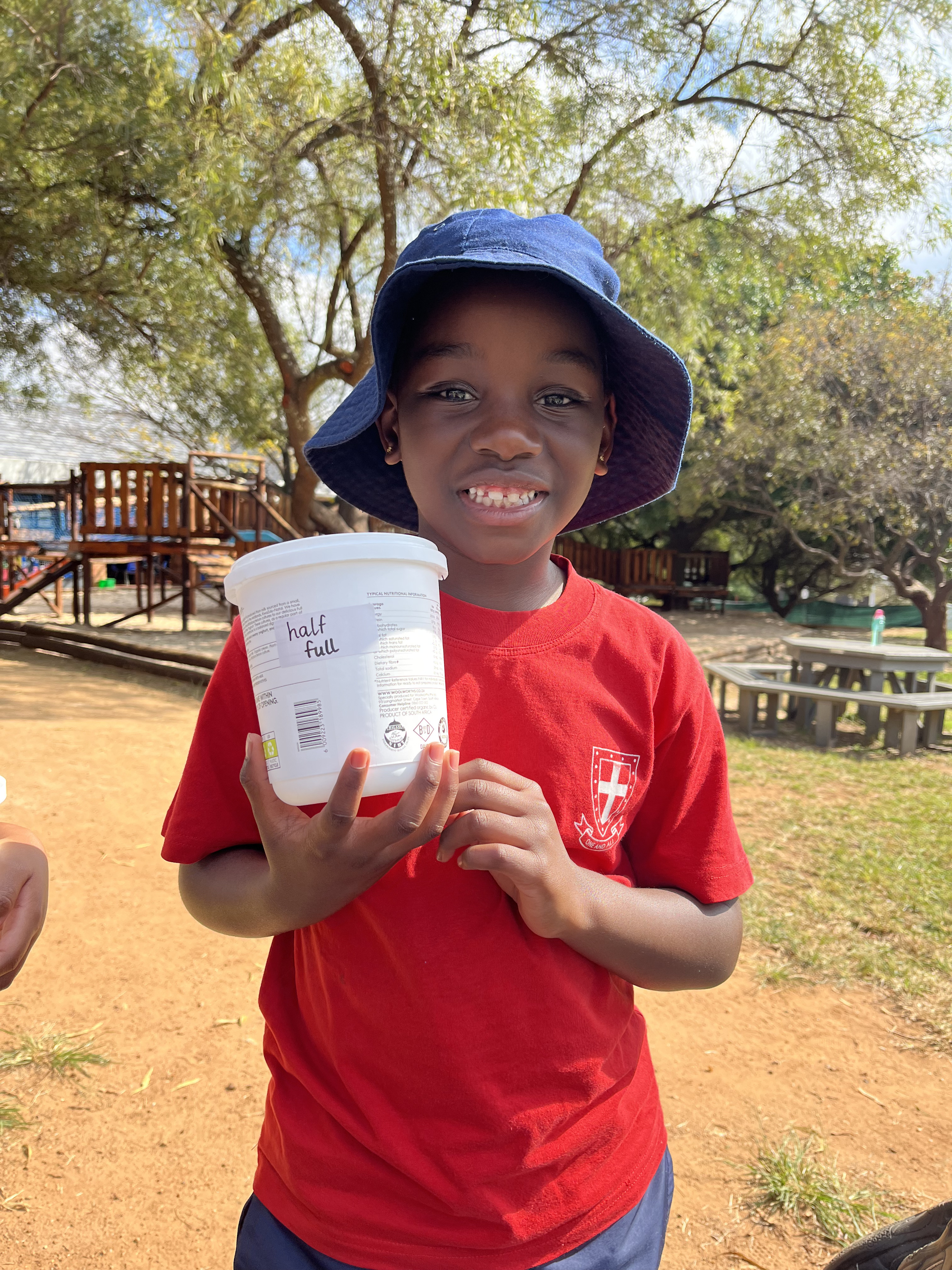
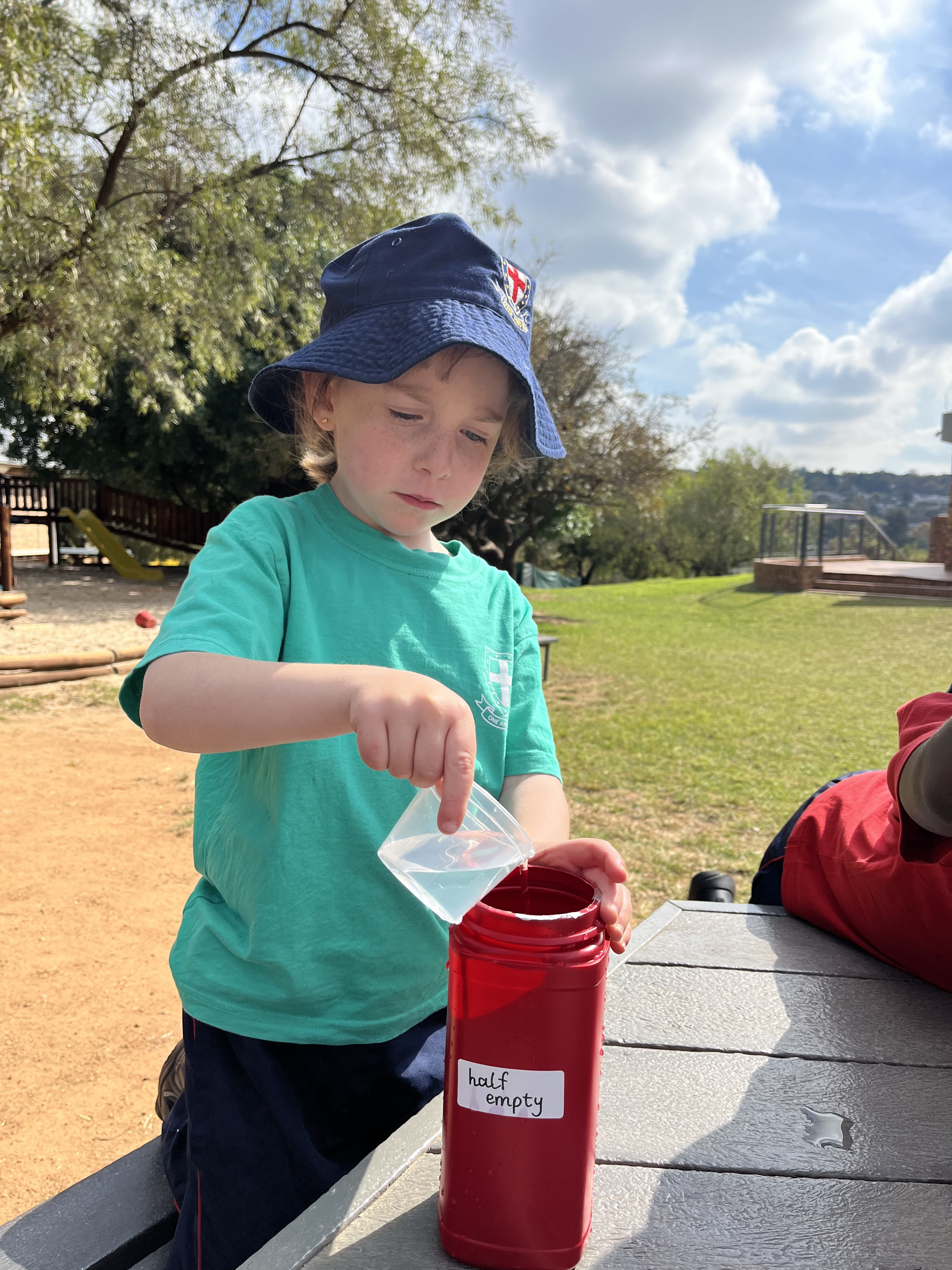
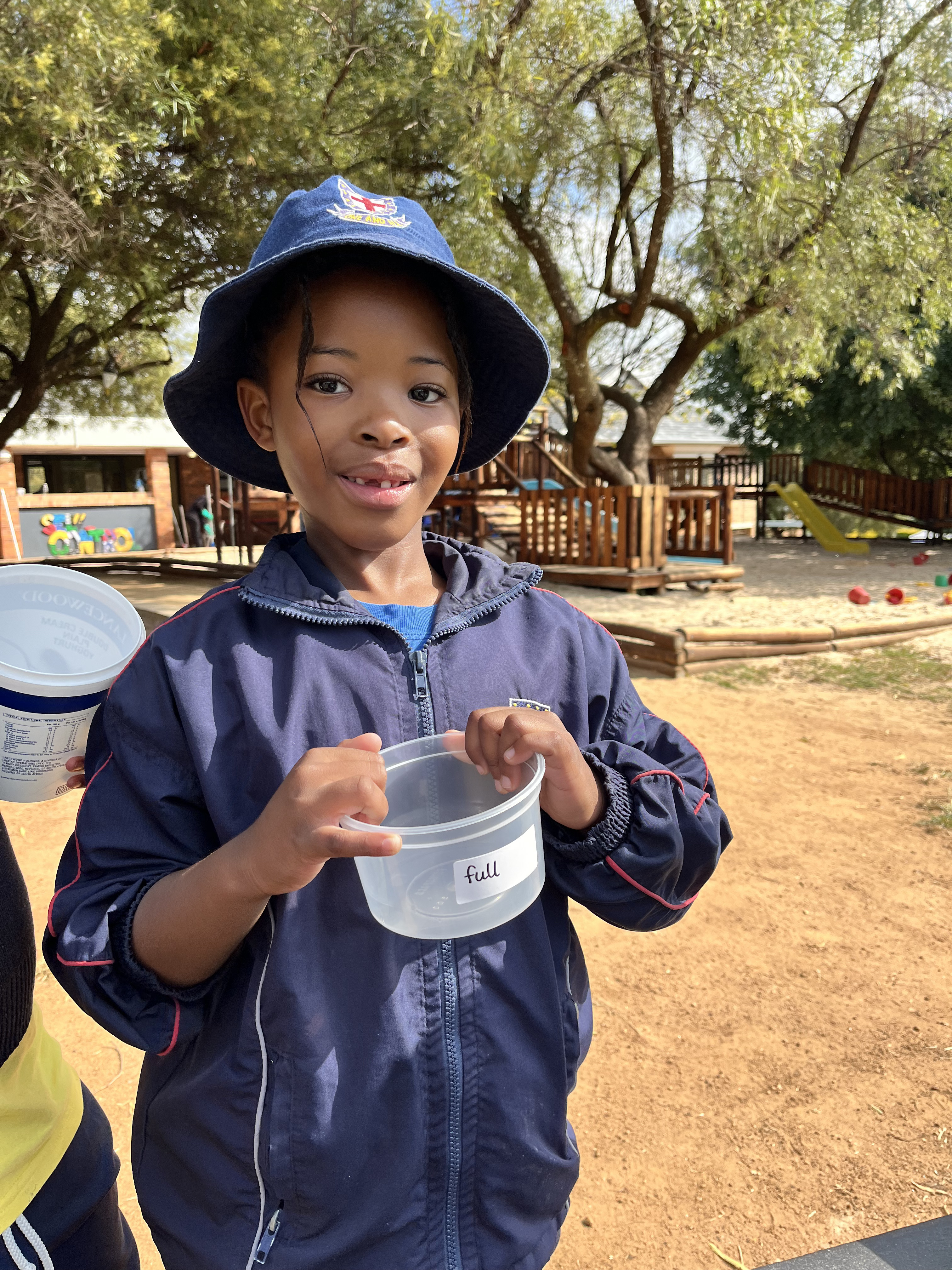
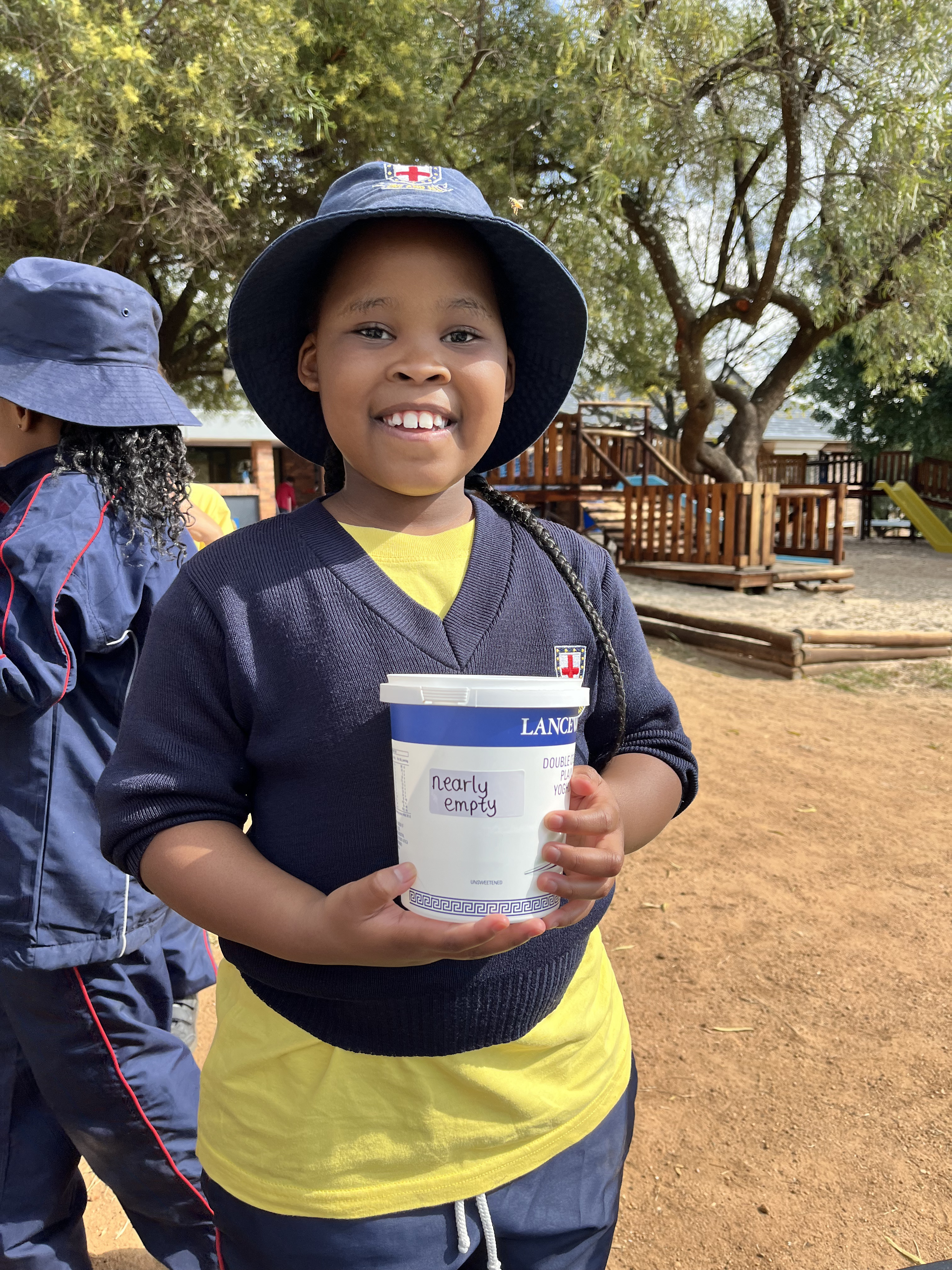
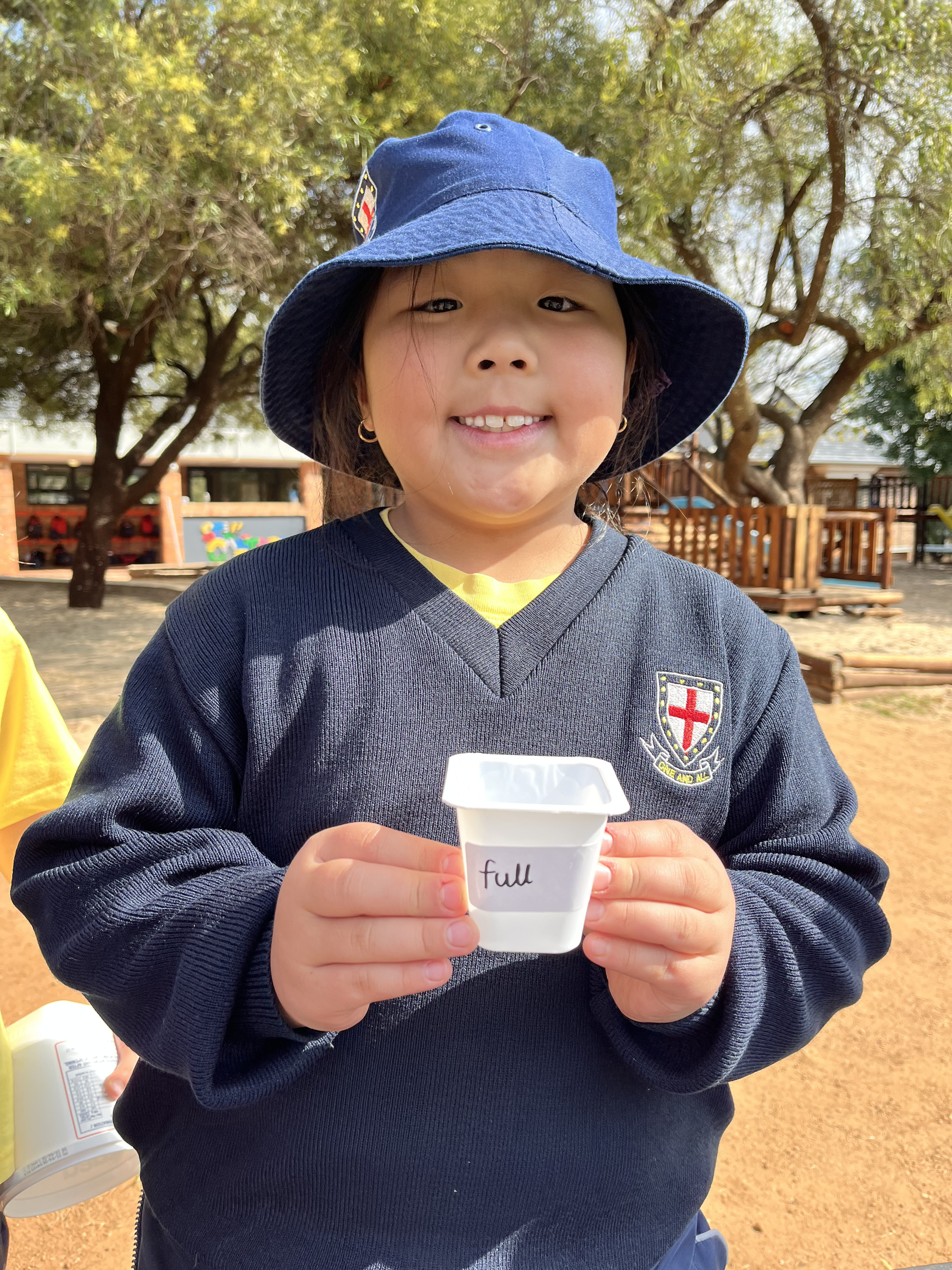
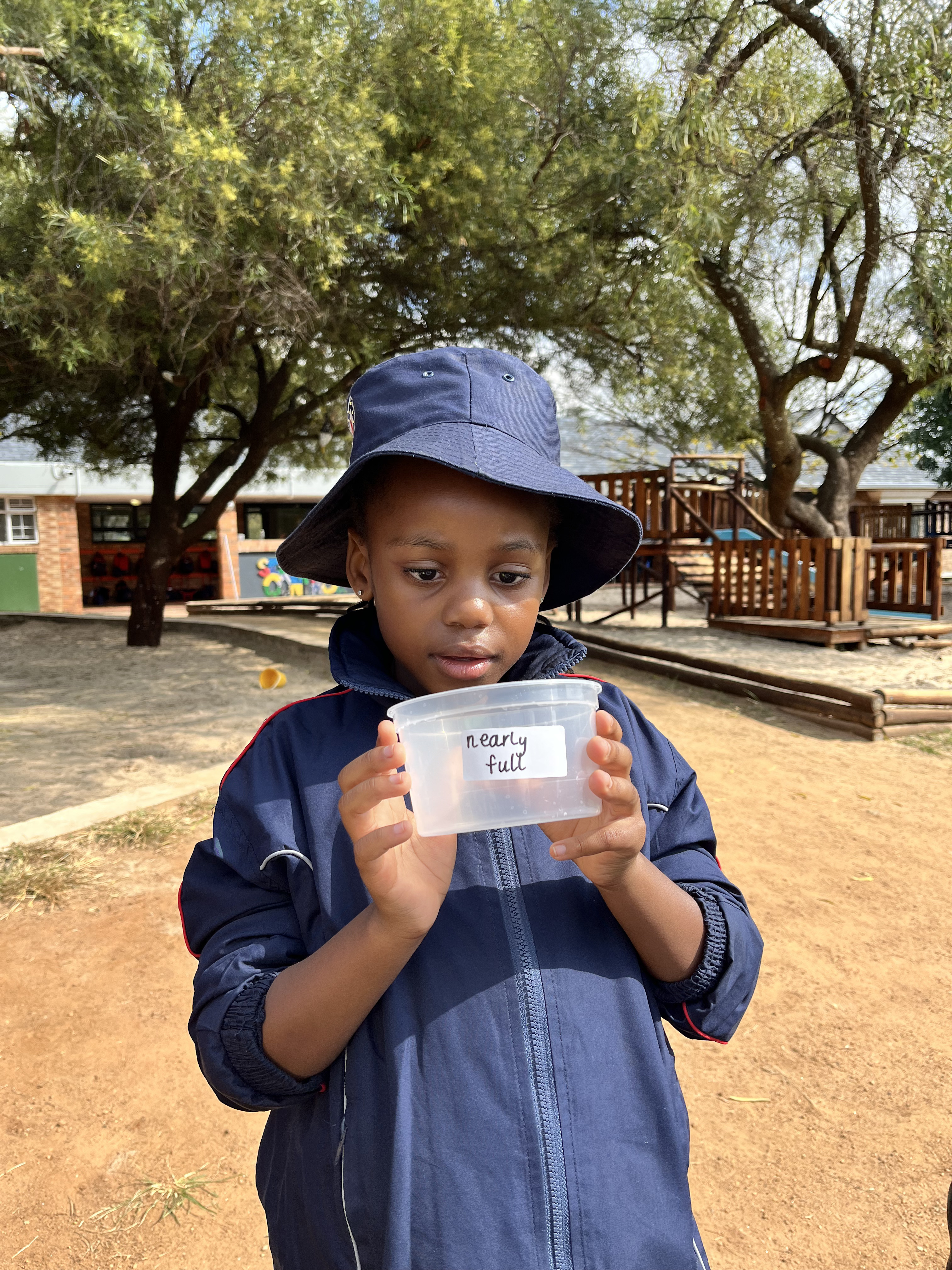
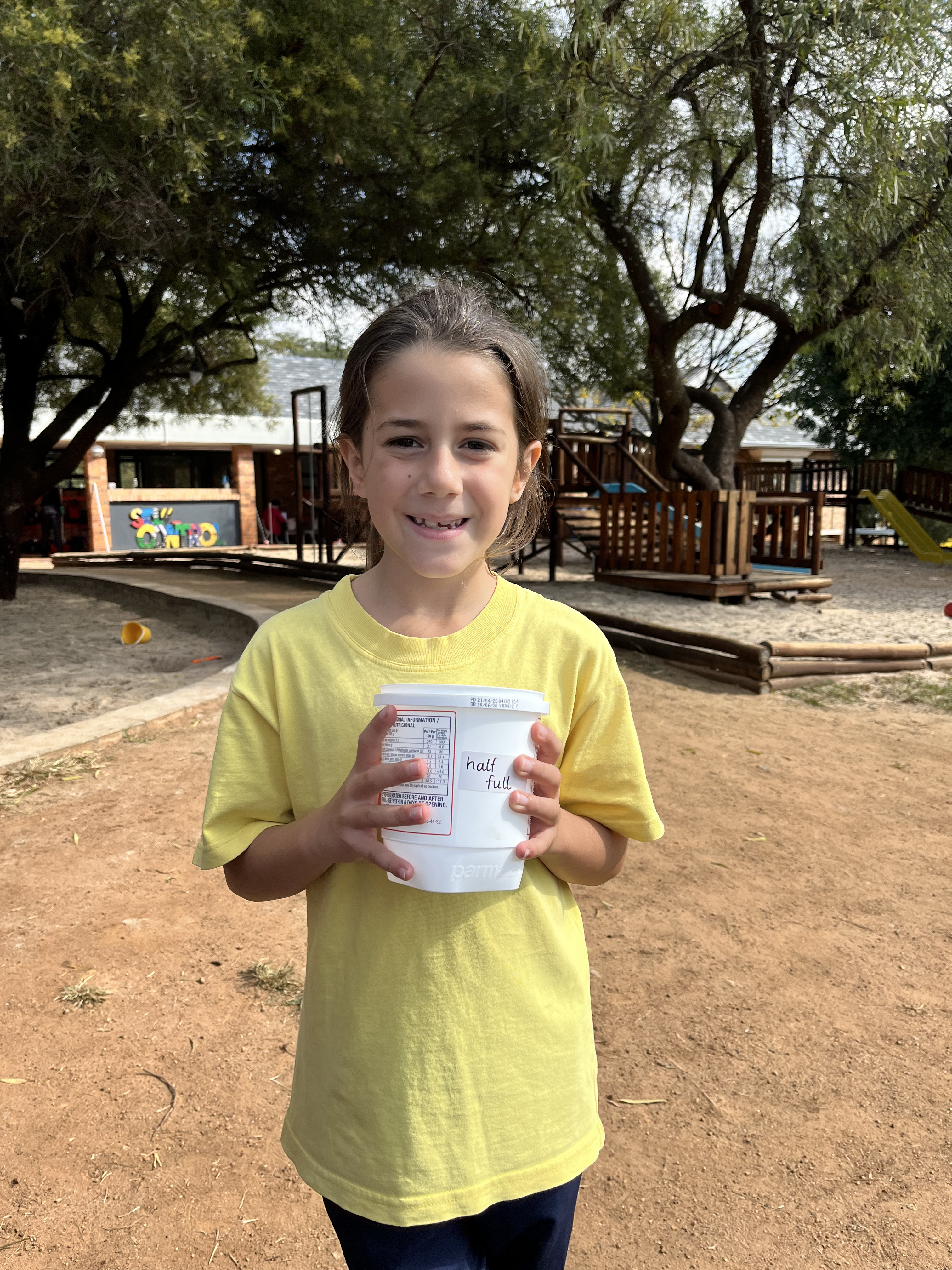
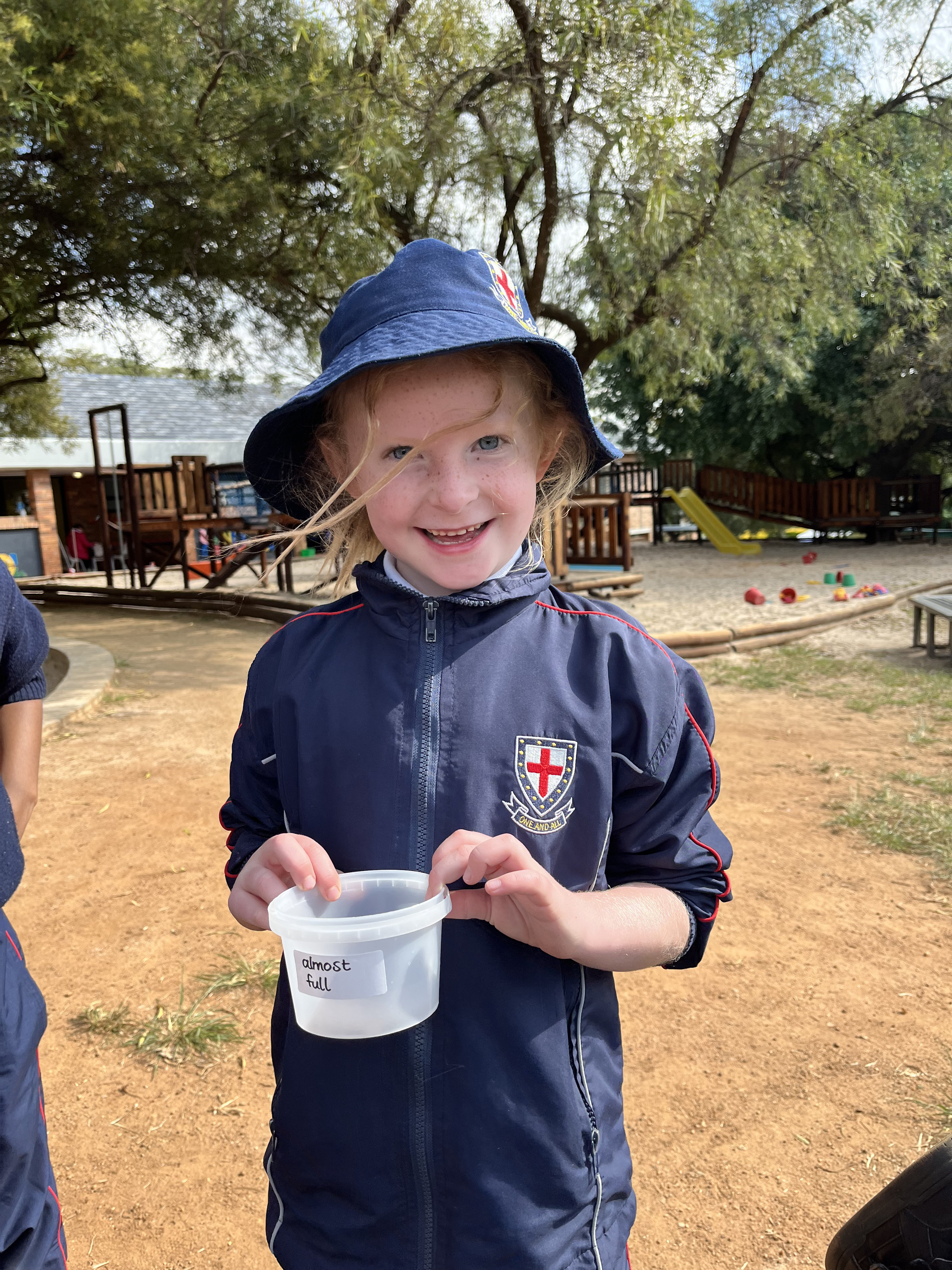
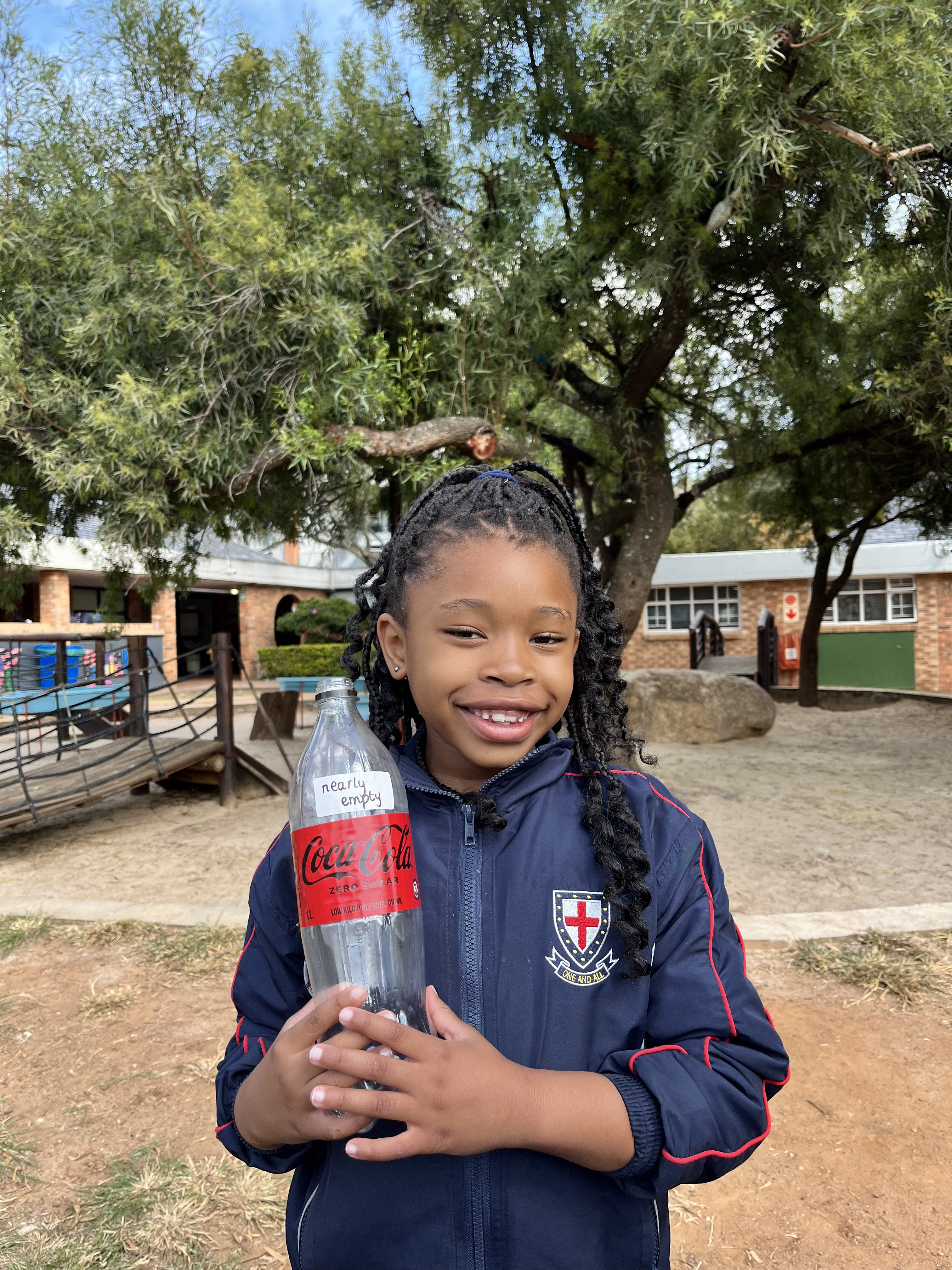
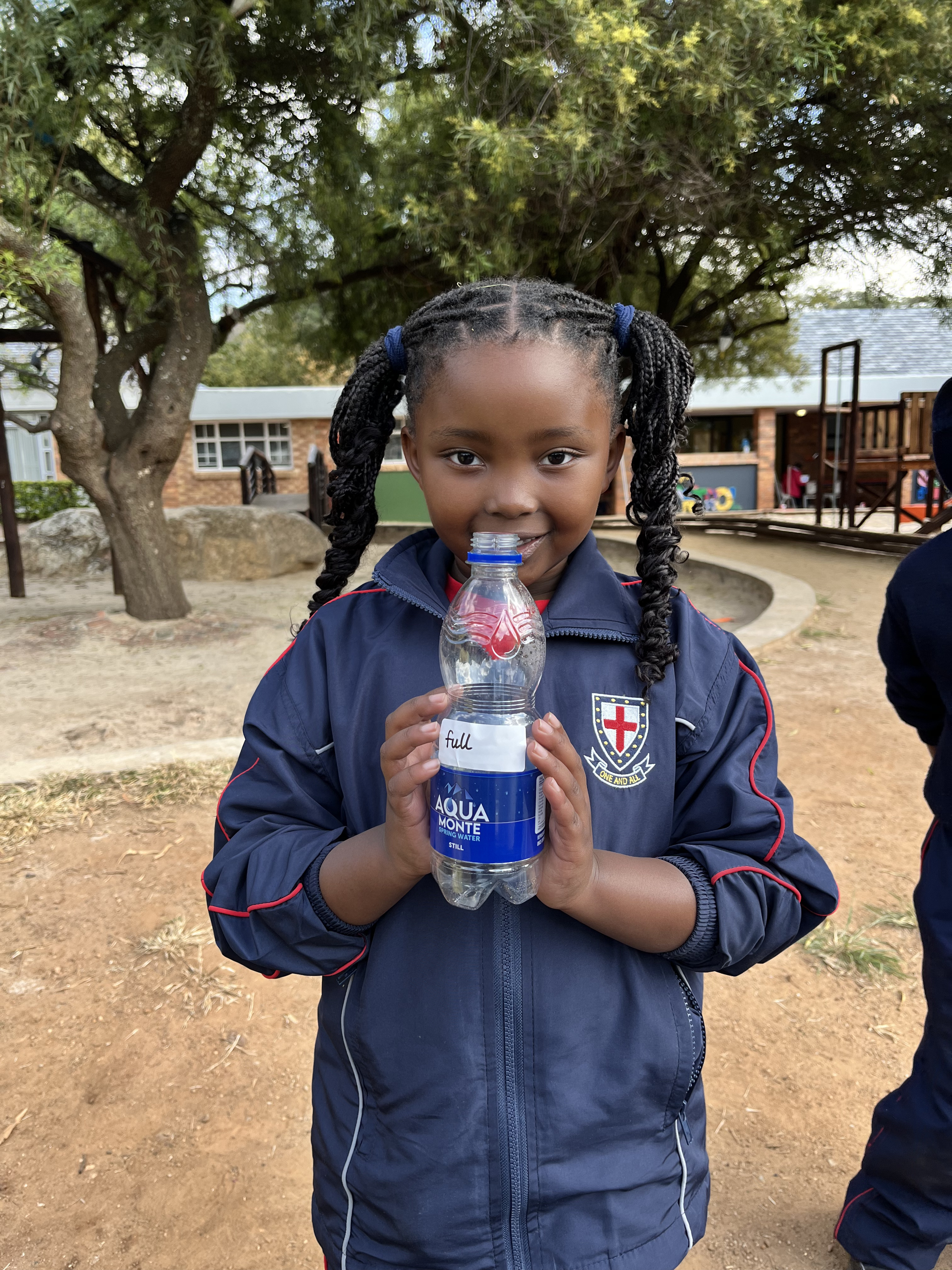
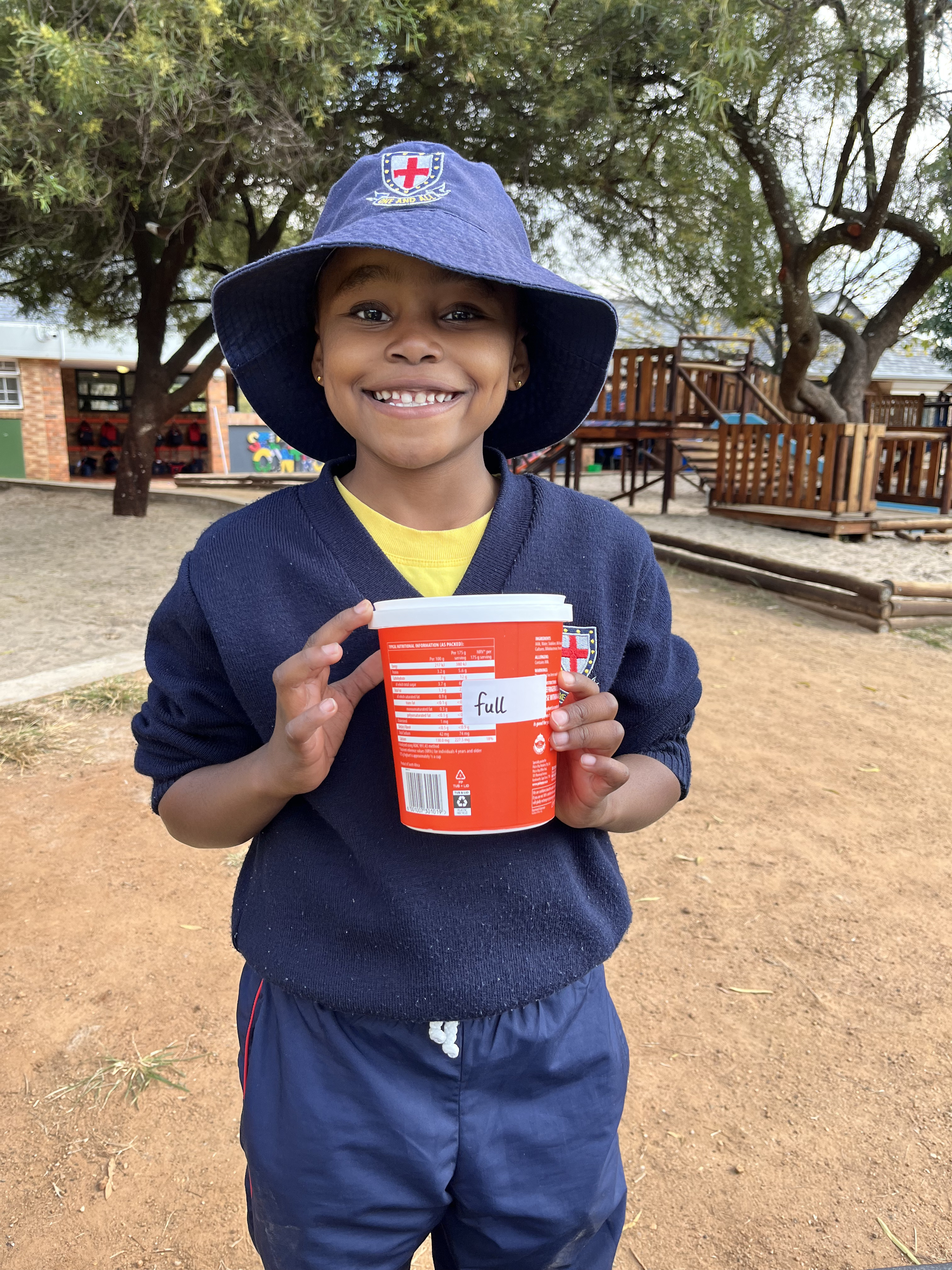
Our Grade One students recently engaged in a fun and meaningful Mathematics lesson as they explored the concept of capacity through hands-on investigation, prediction, and discovery. The classroom was alive with curiosity as students developed their understanding of what it means for a container to be “full,” “half-full,” or “empty.”
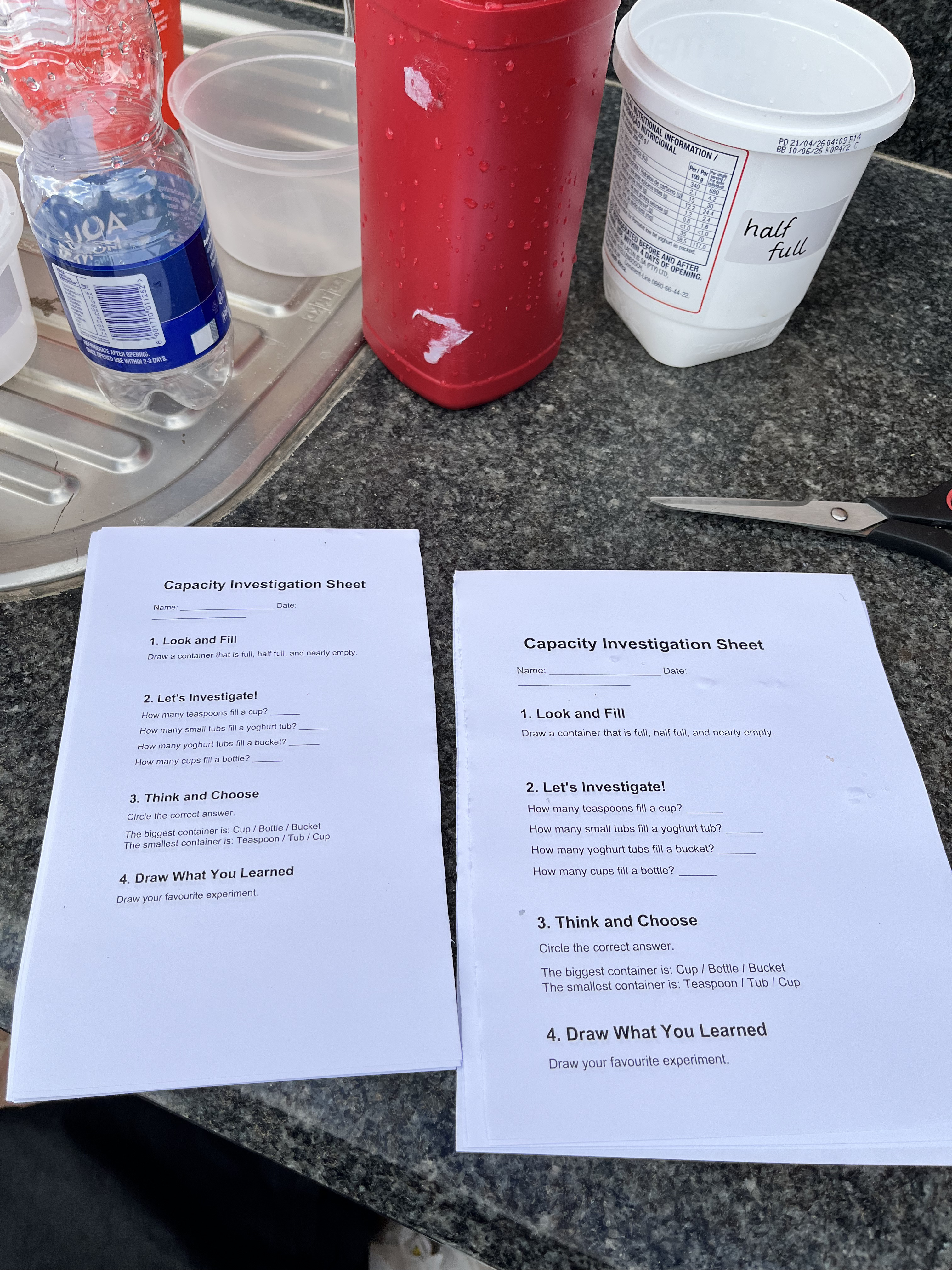
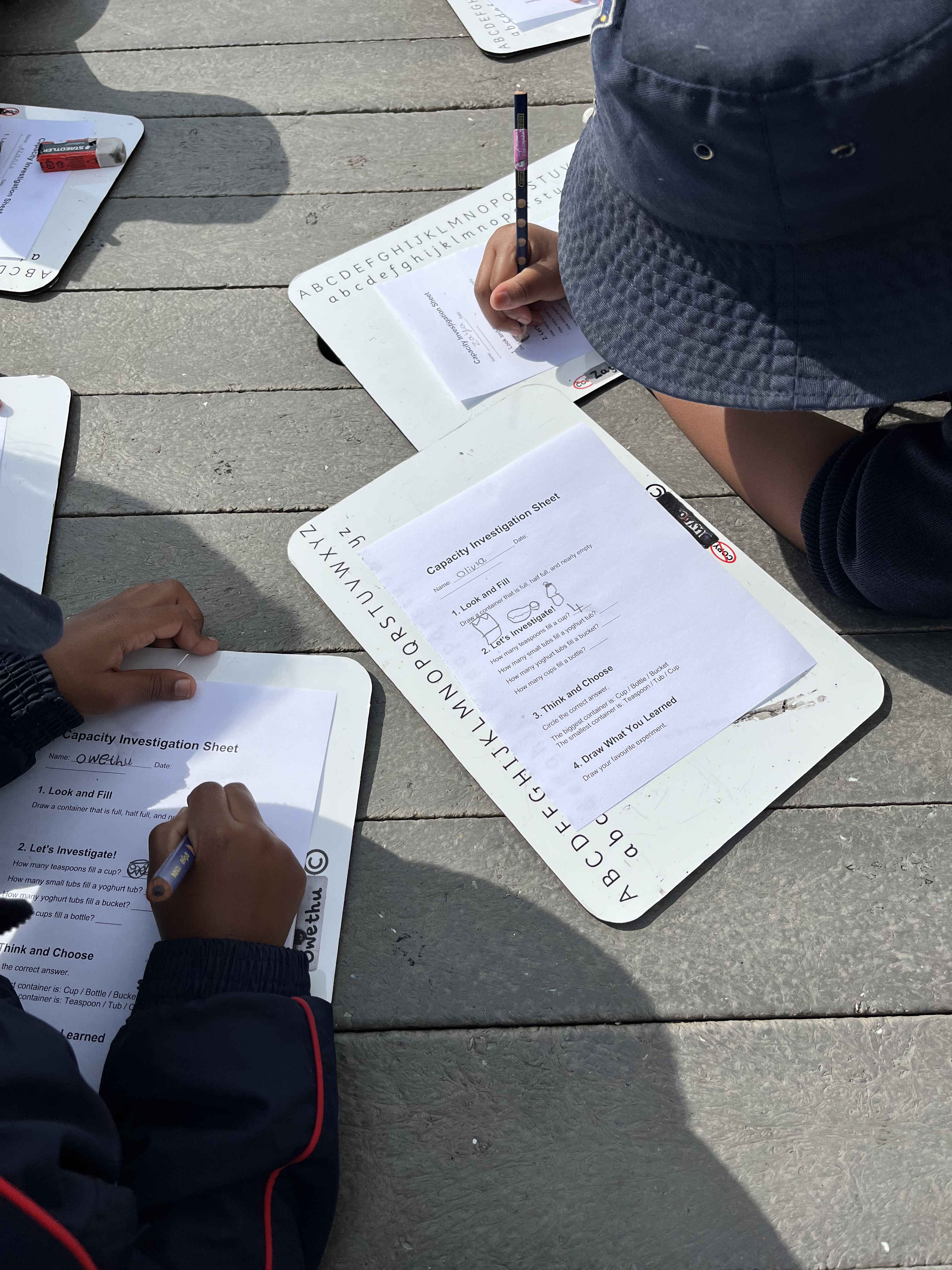
The lesson began with an interactive discussion about everyday containers and how much they can hold. Students were introduced to key mathematical vocabulary related to capacity and shared their own ideas and experiences. To deepen their thinking, students were encouraged to make predictions. Questions such as, “How many teaspoons of water will fill this cup?” and “How many cups will it take to fill this bottle?” prompted thoughtful estimation and lively discussion.
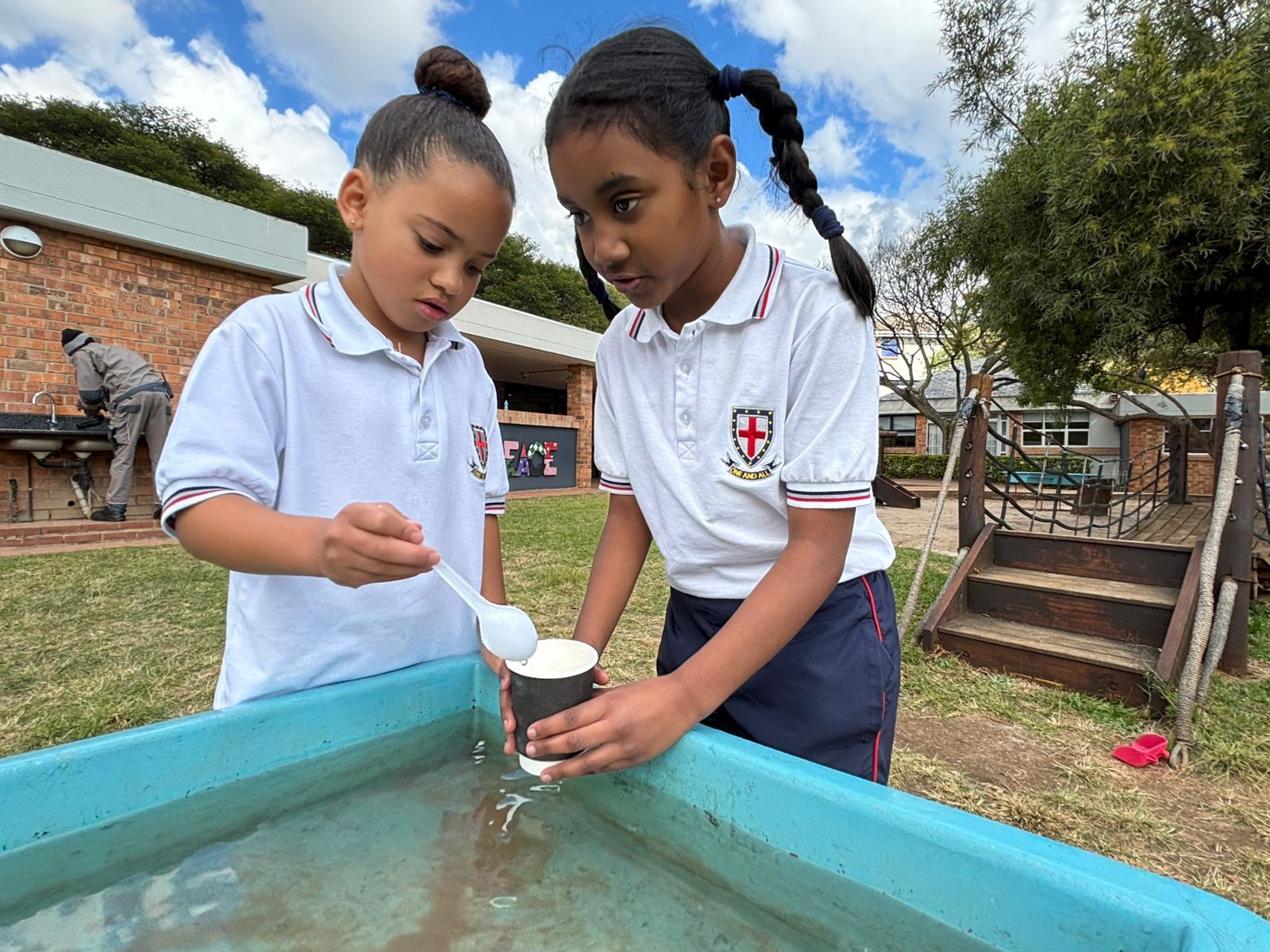
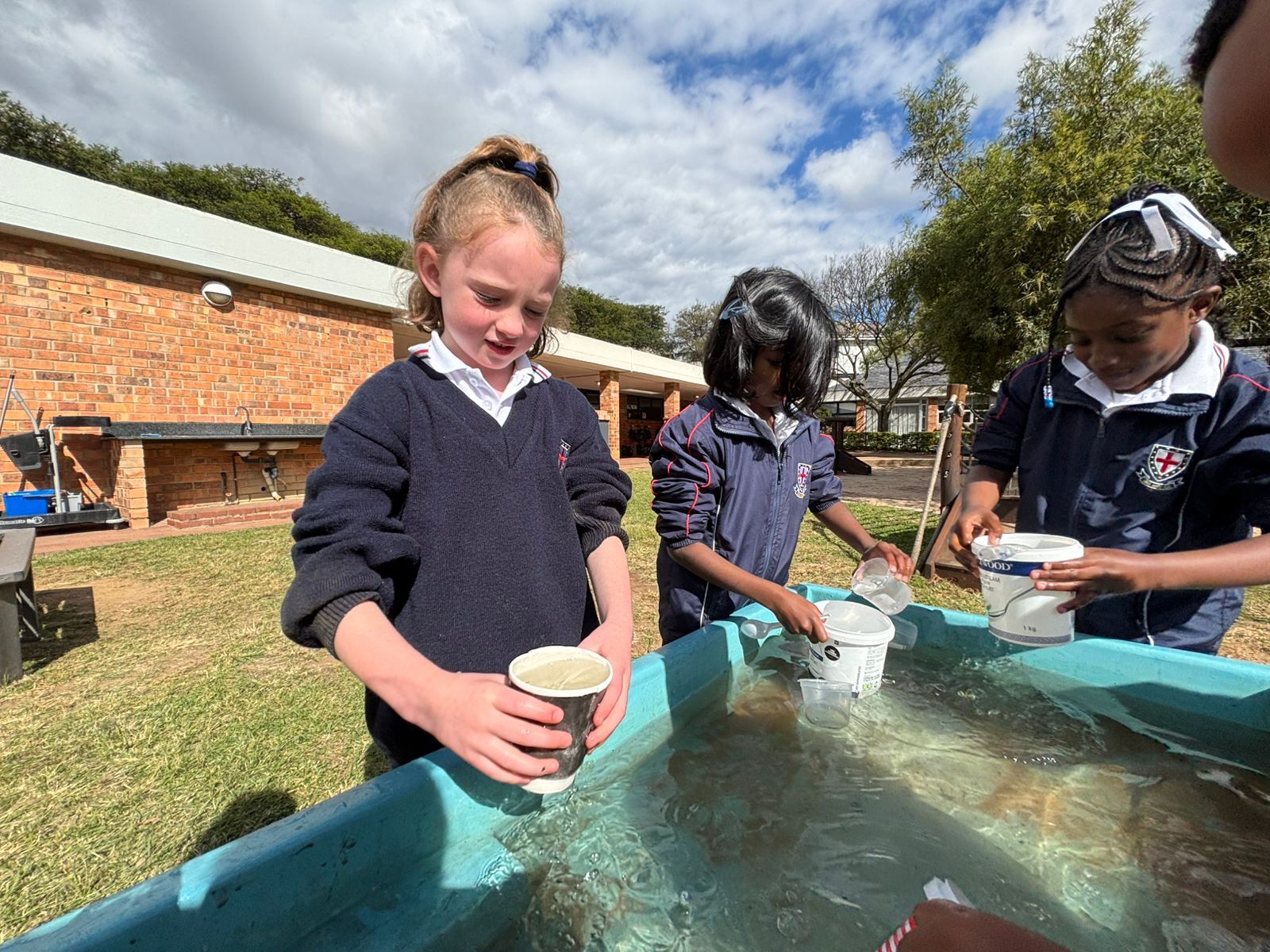
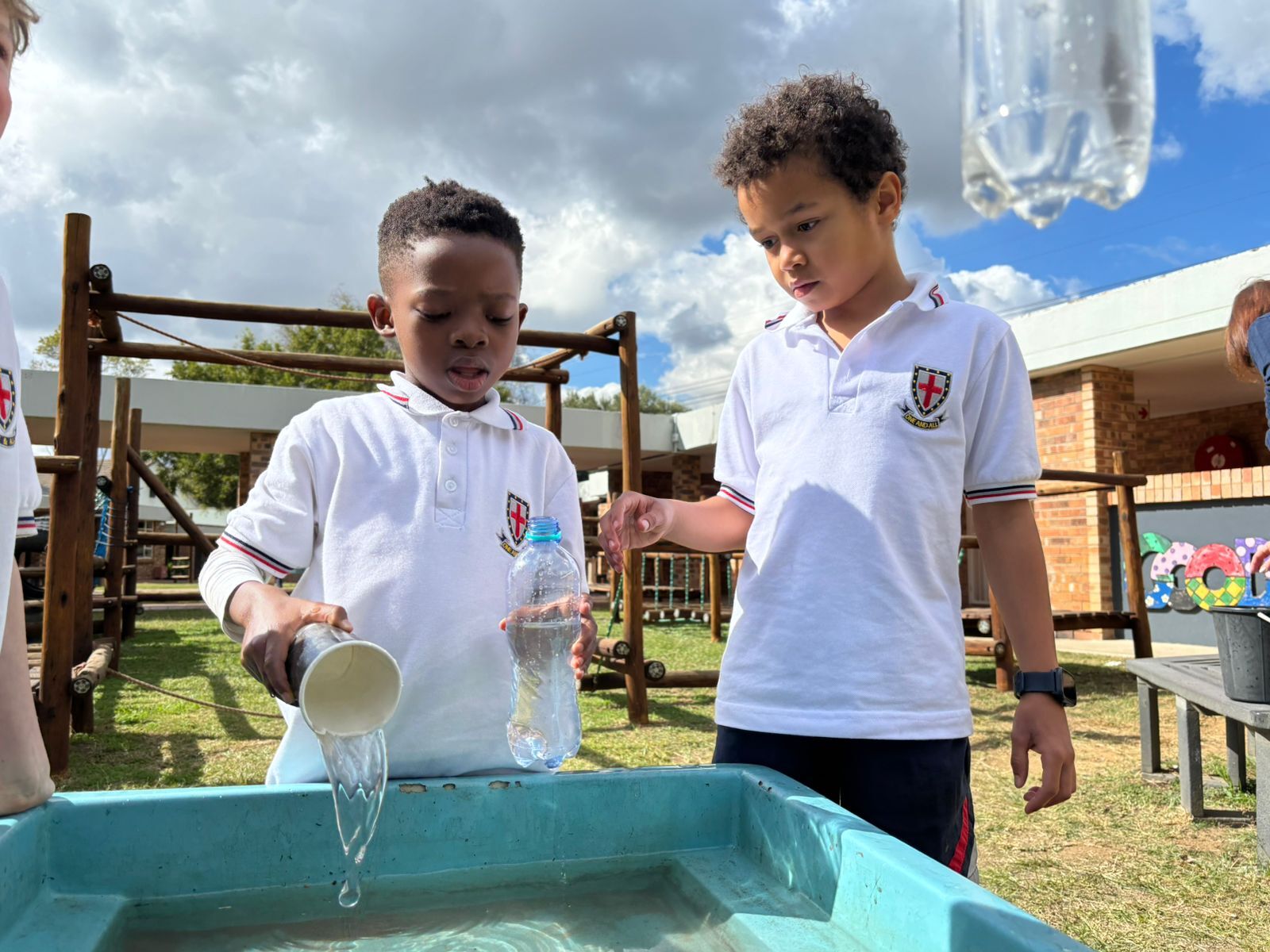
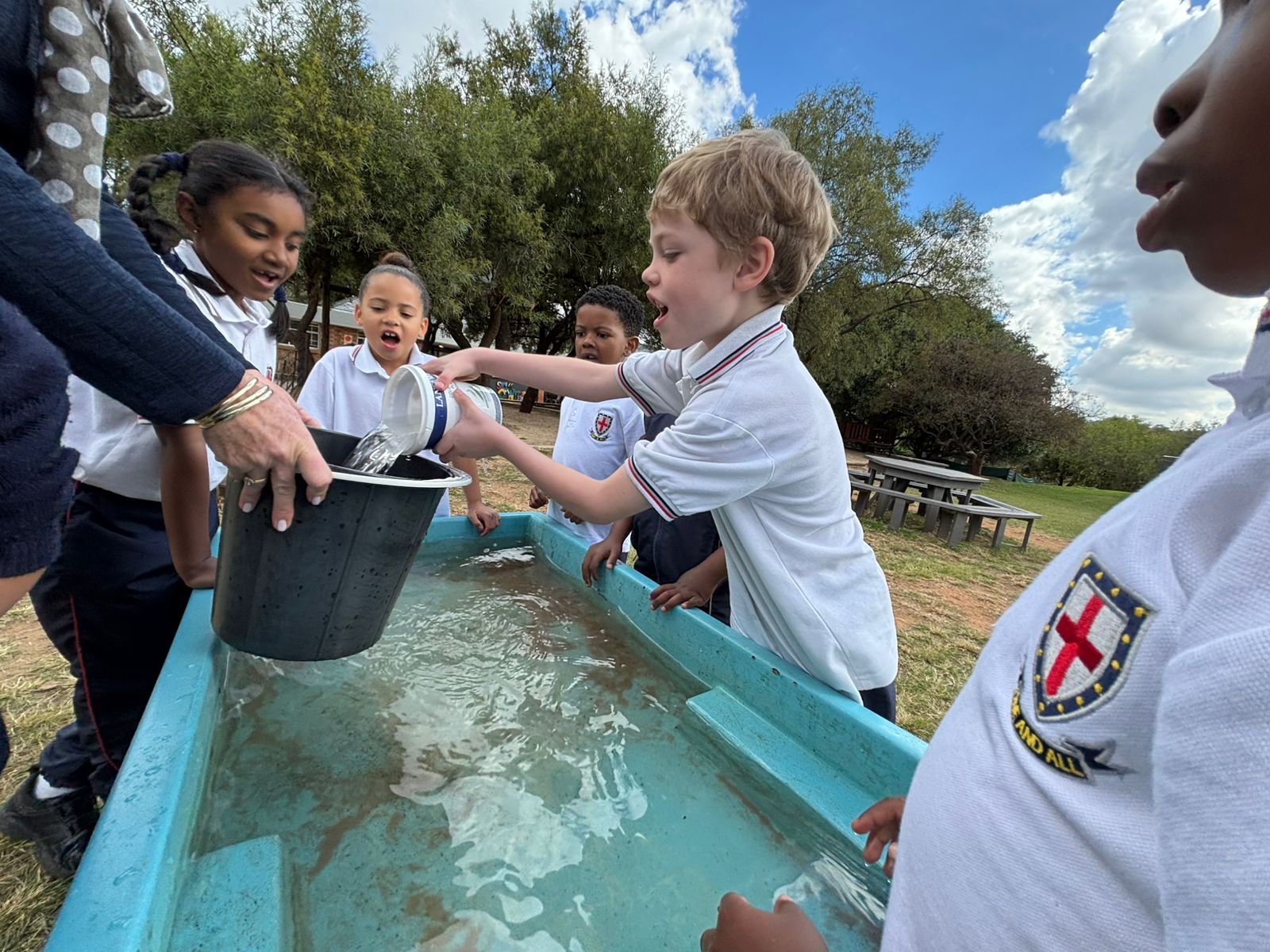
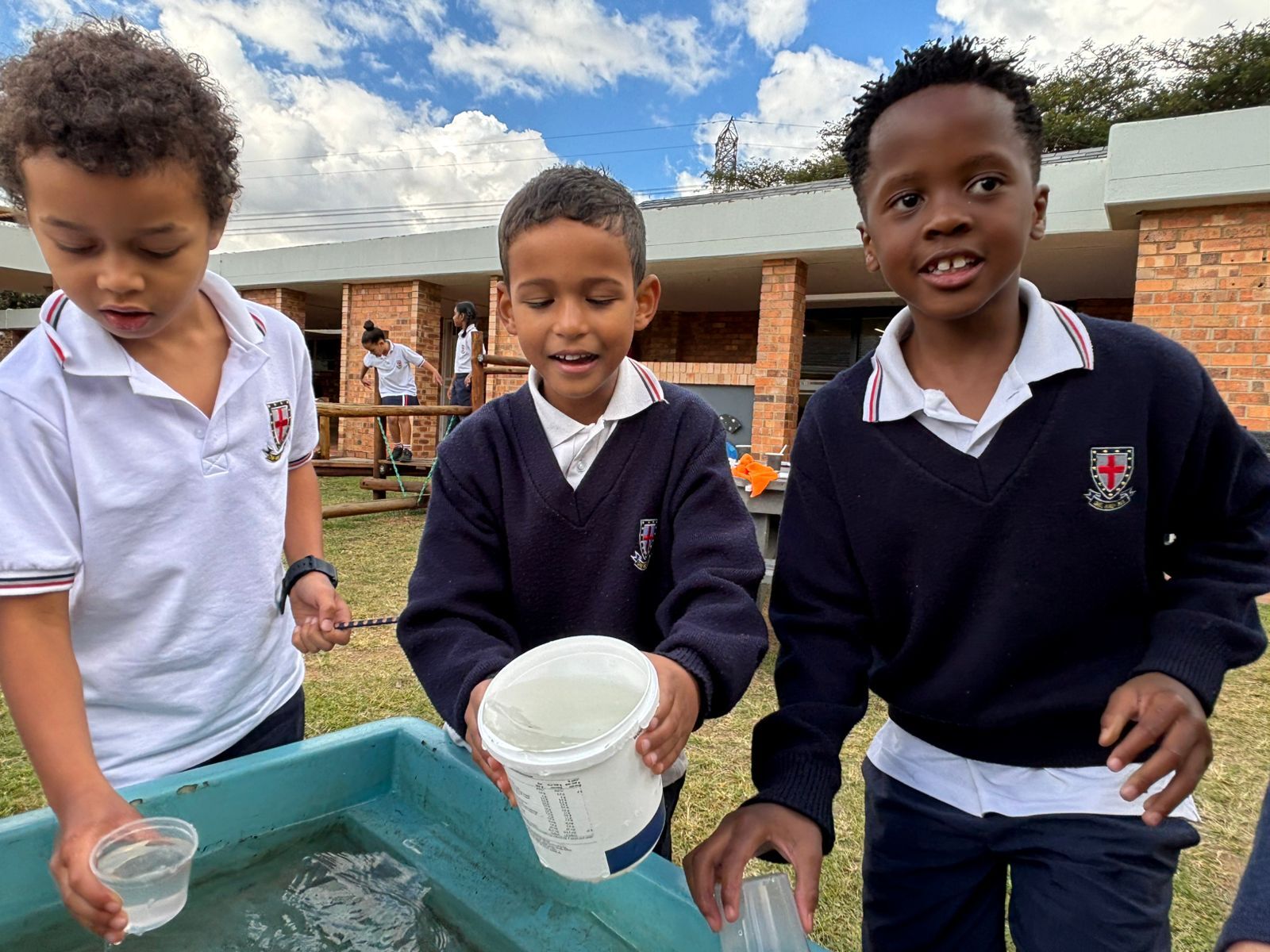
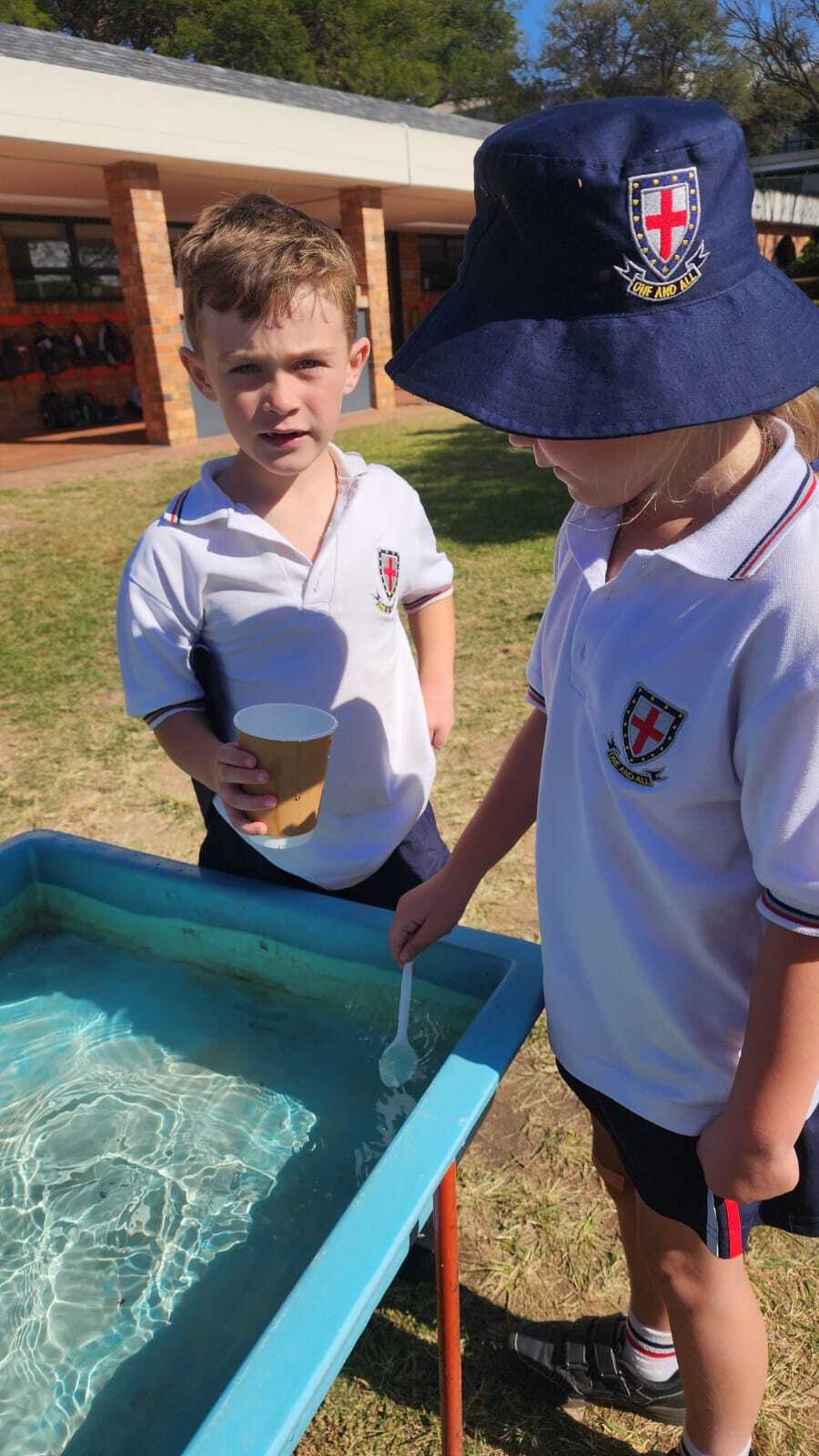
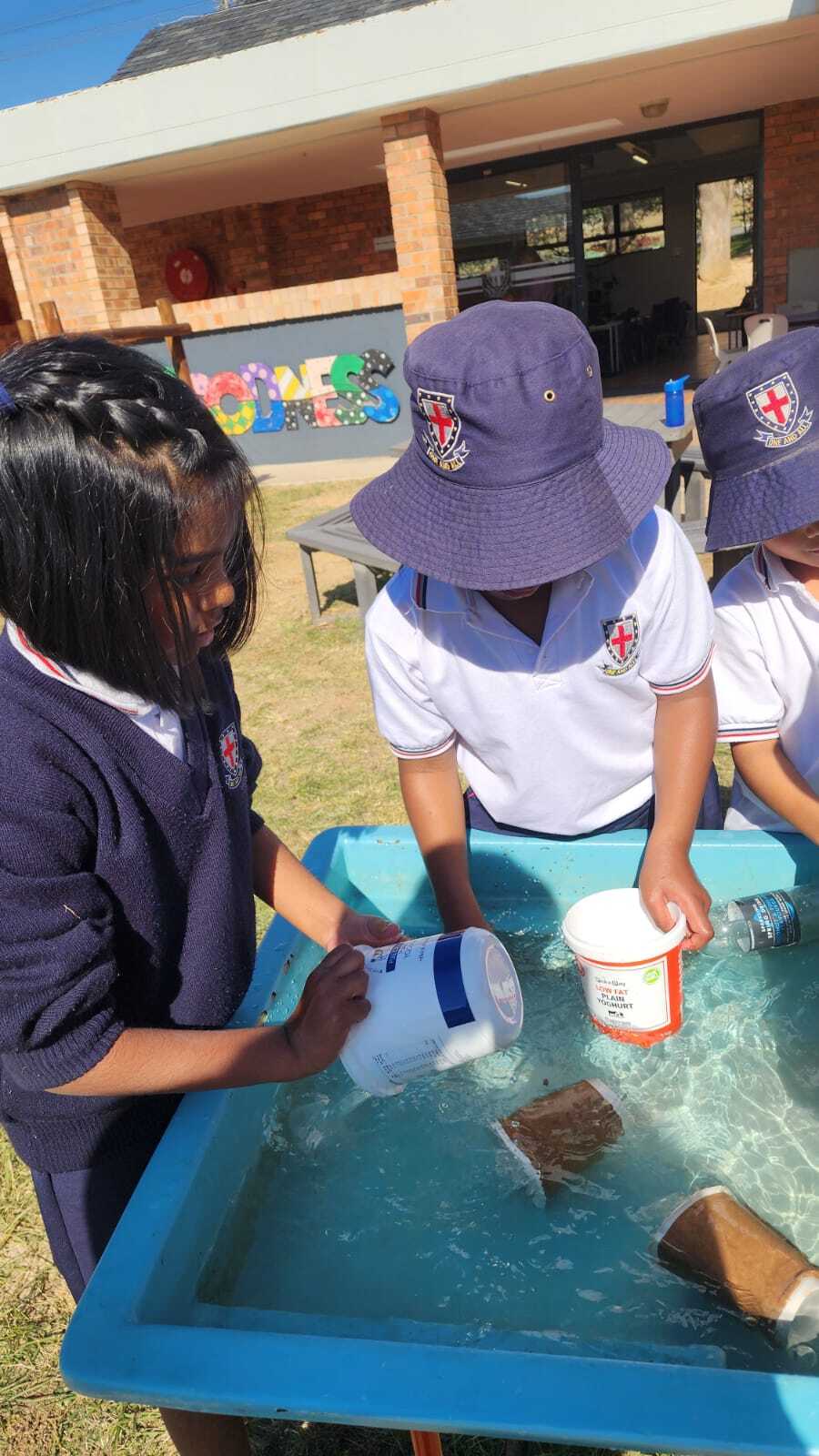
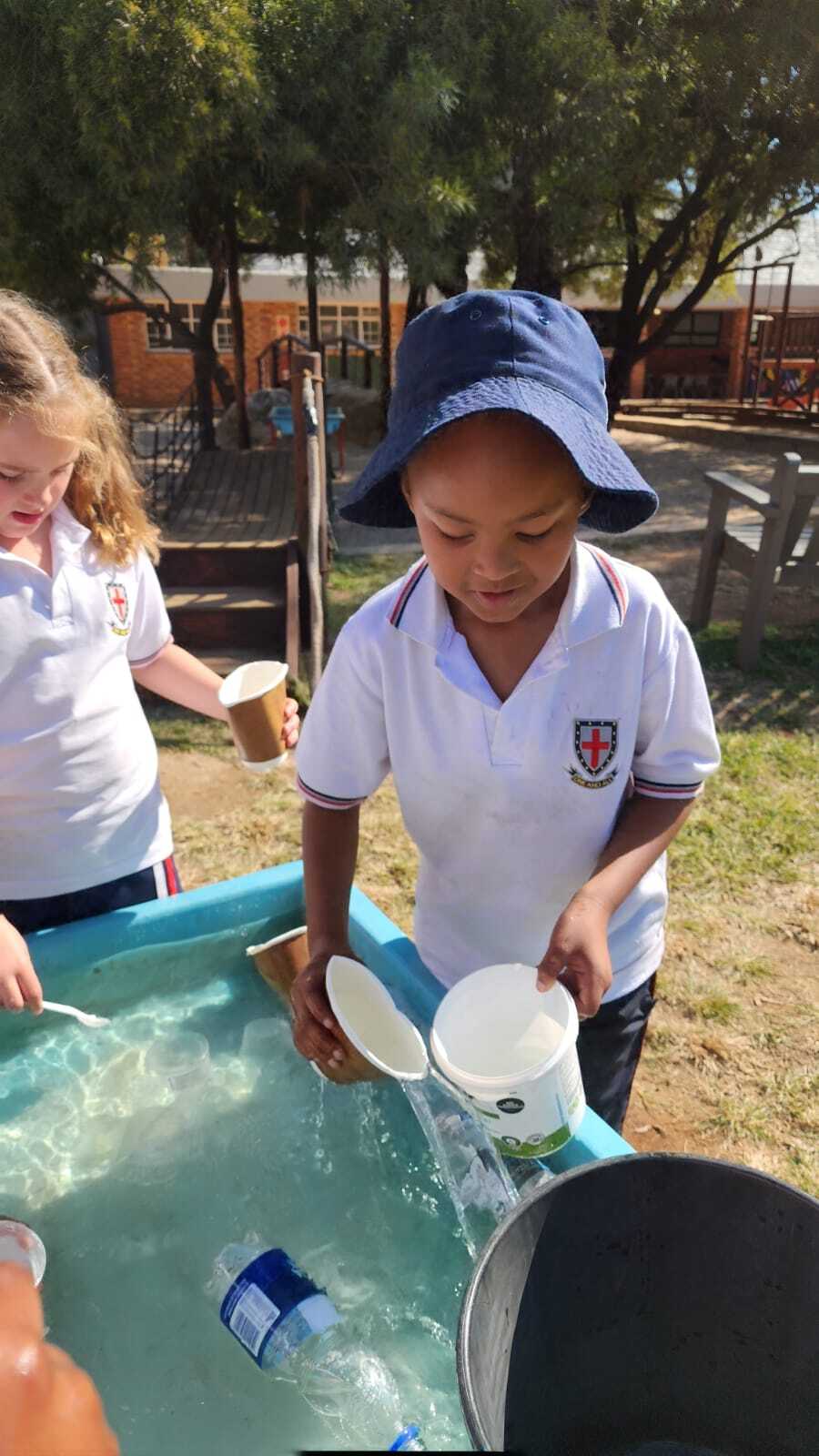
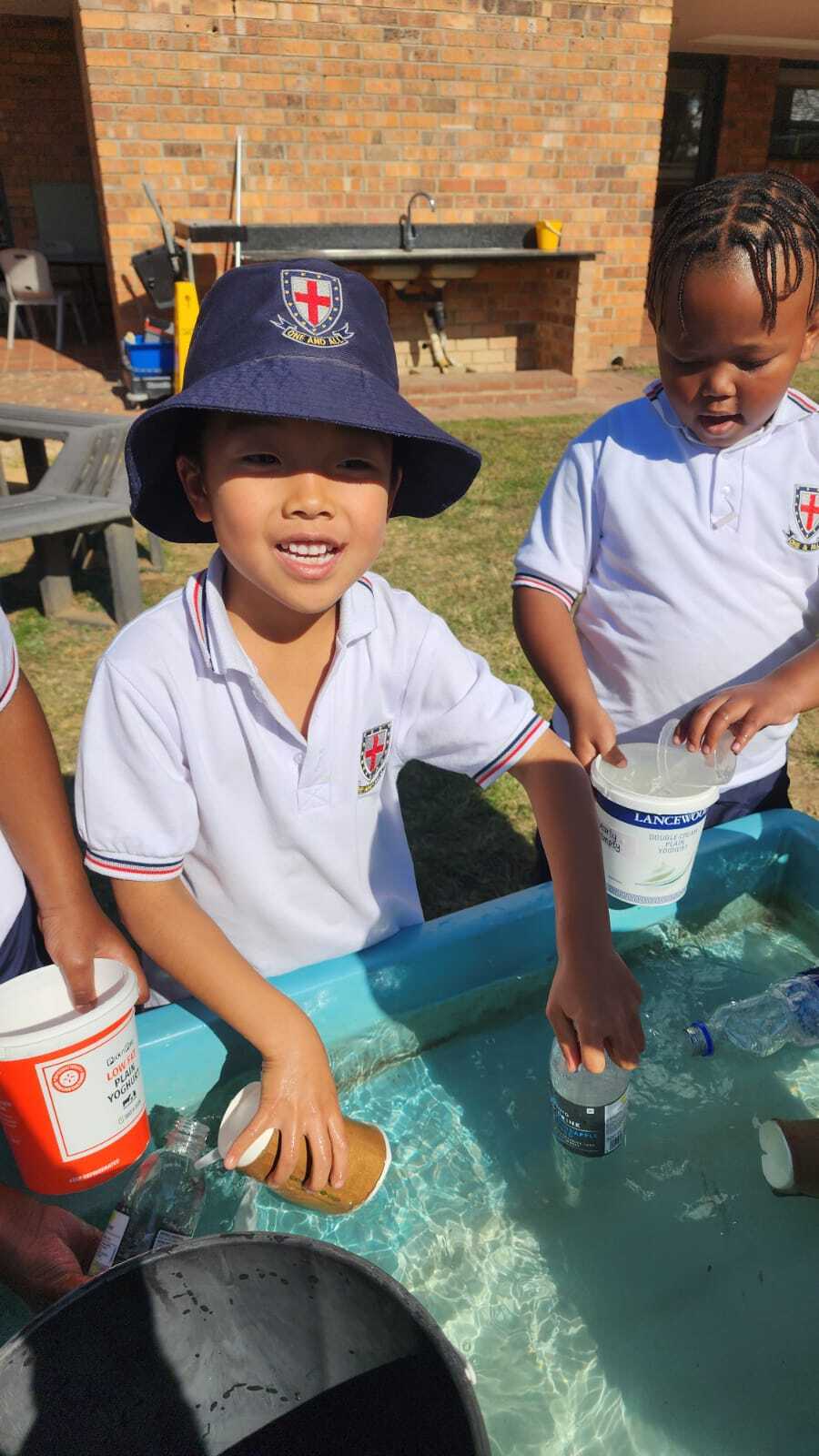
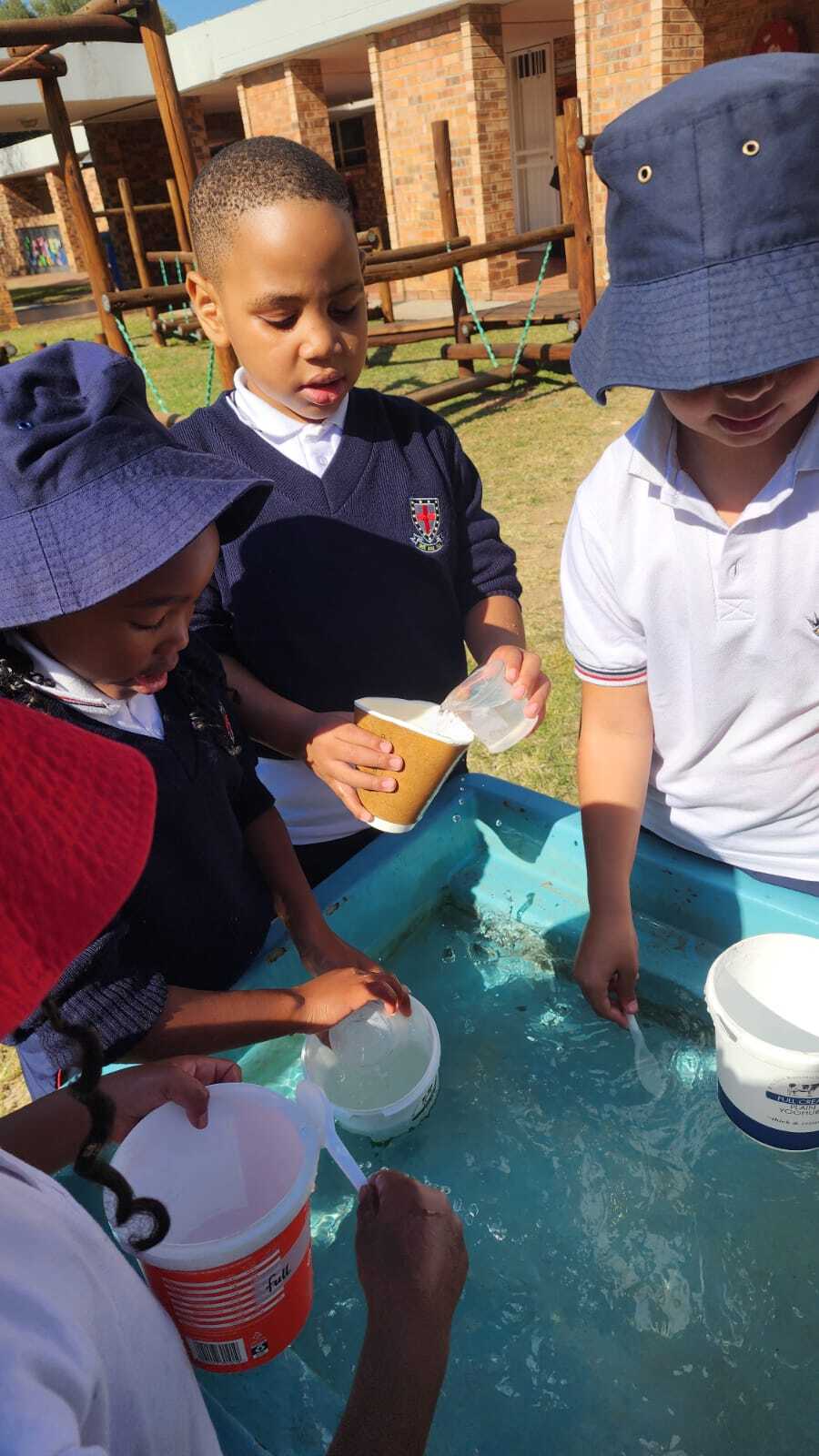
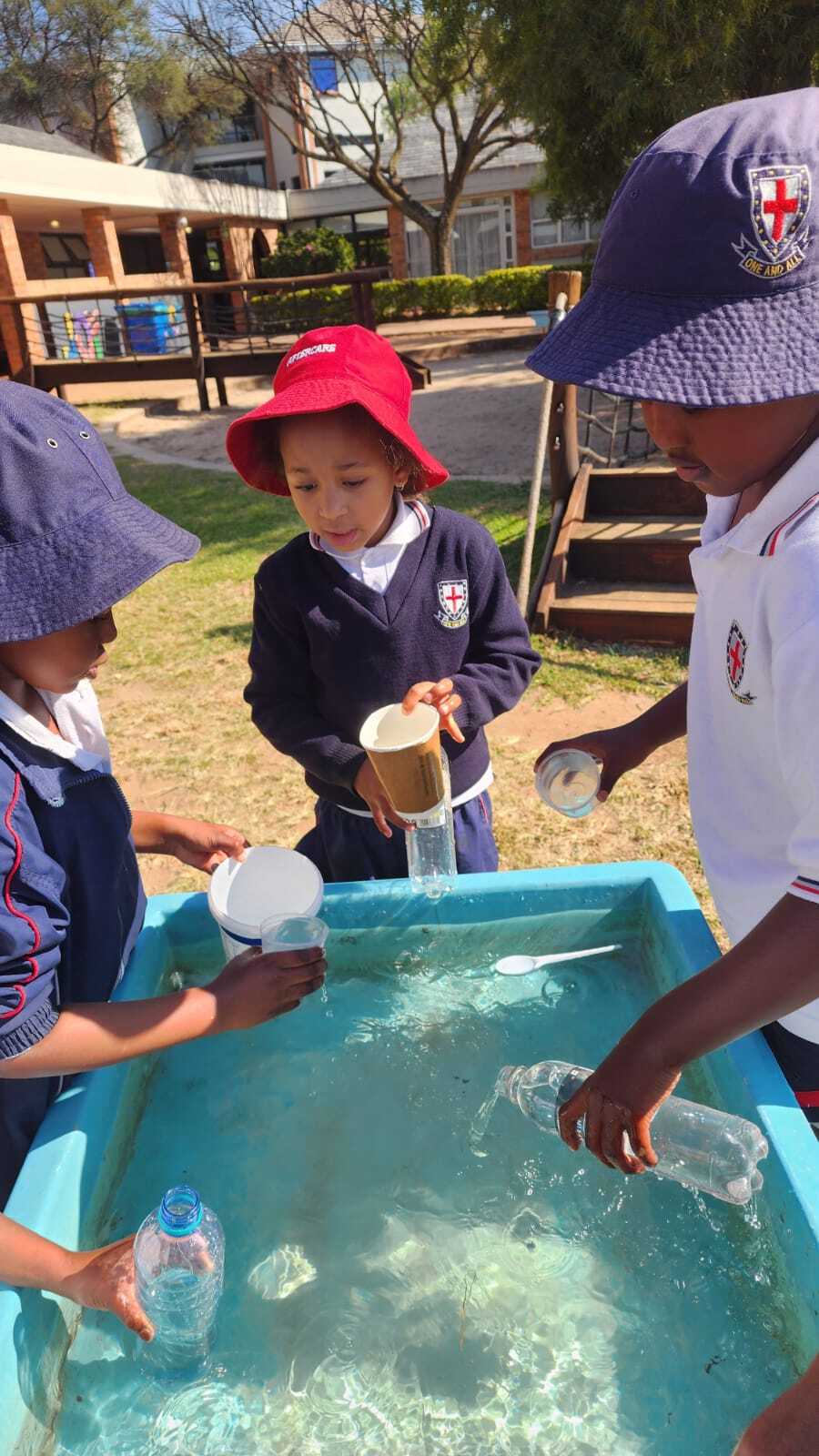
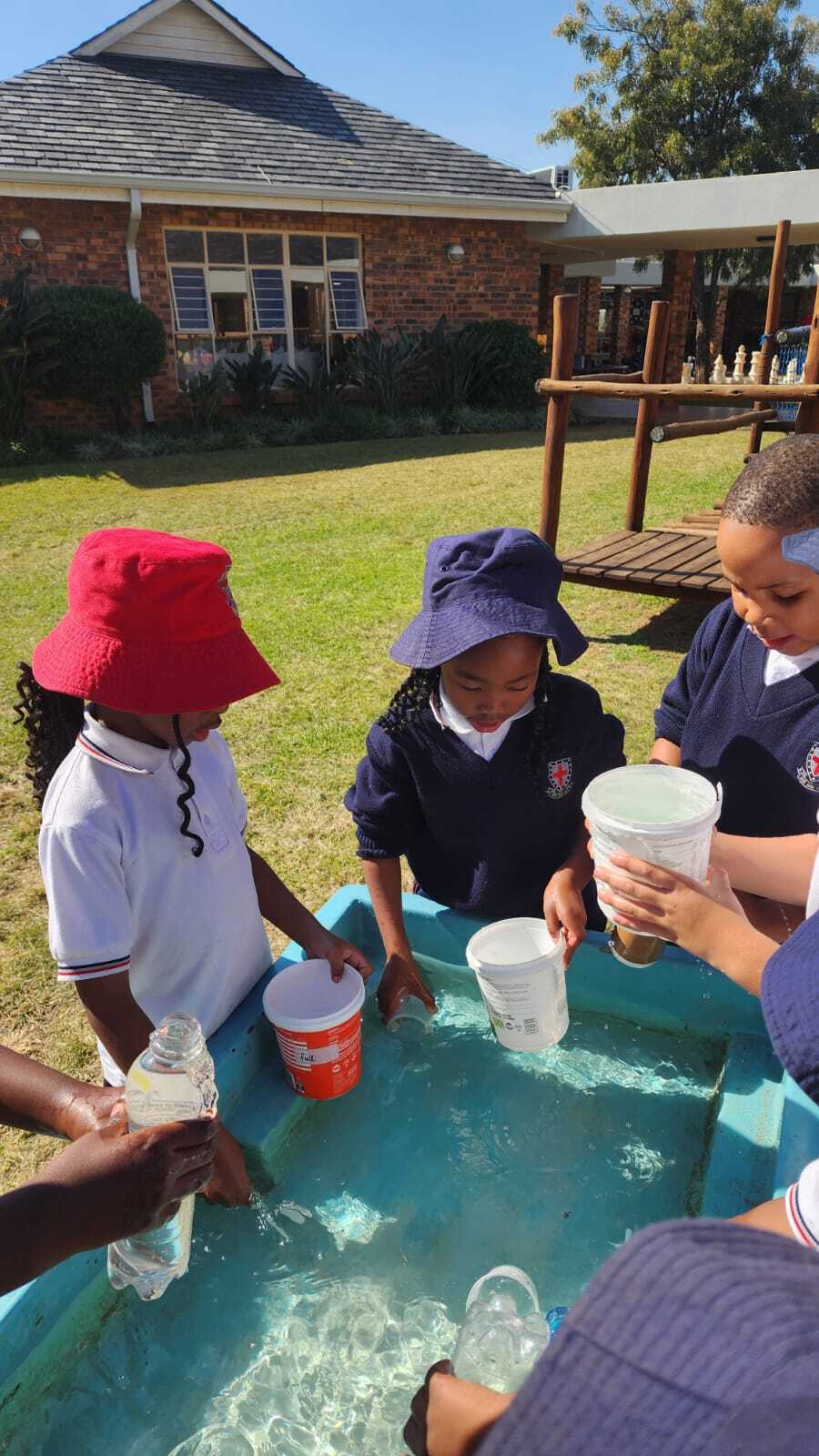
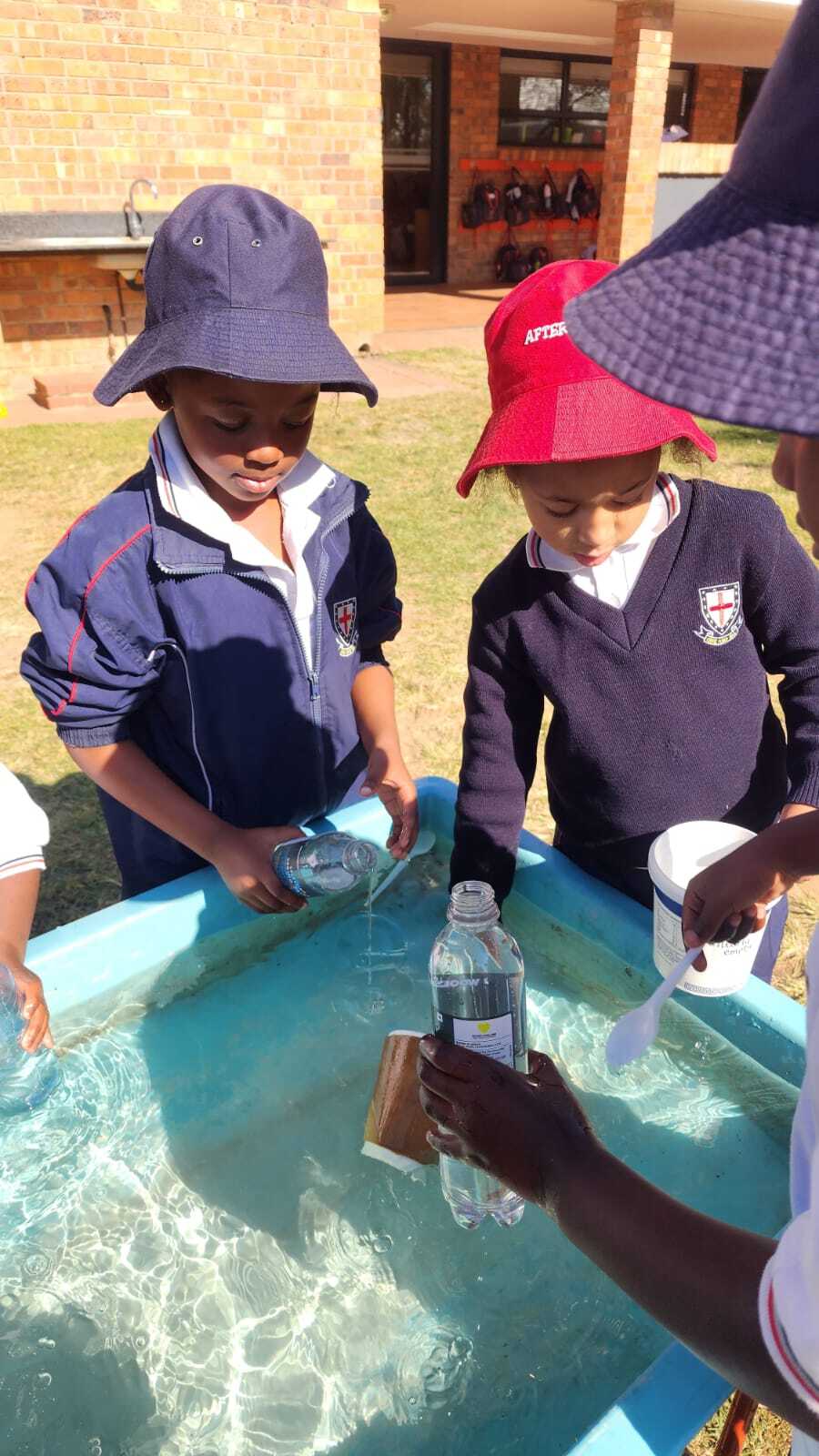
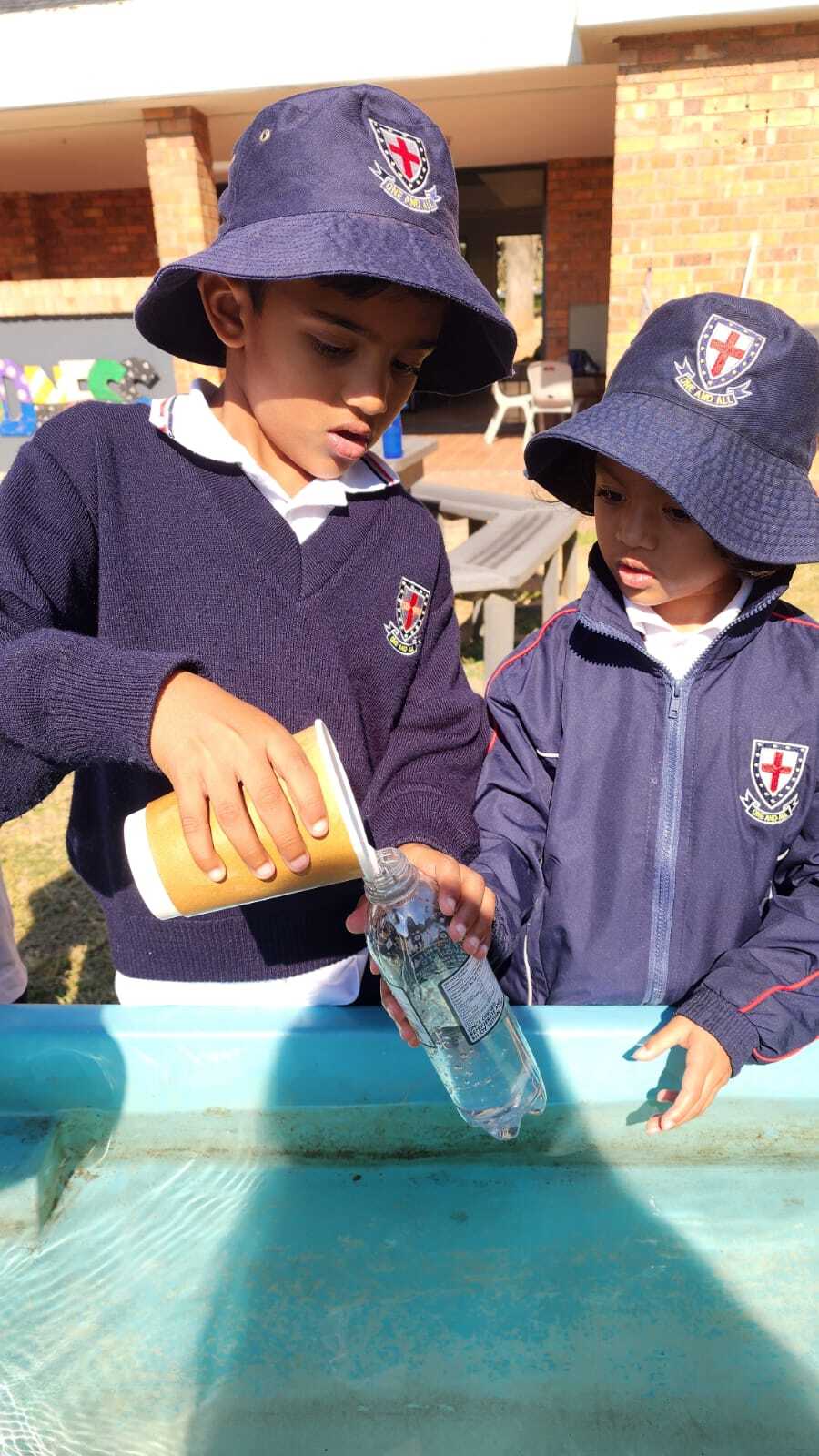
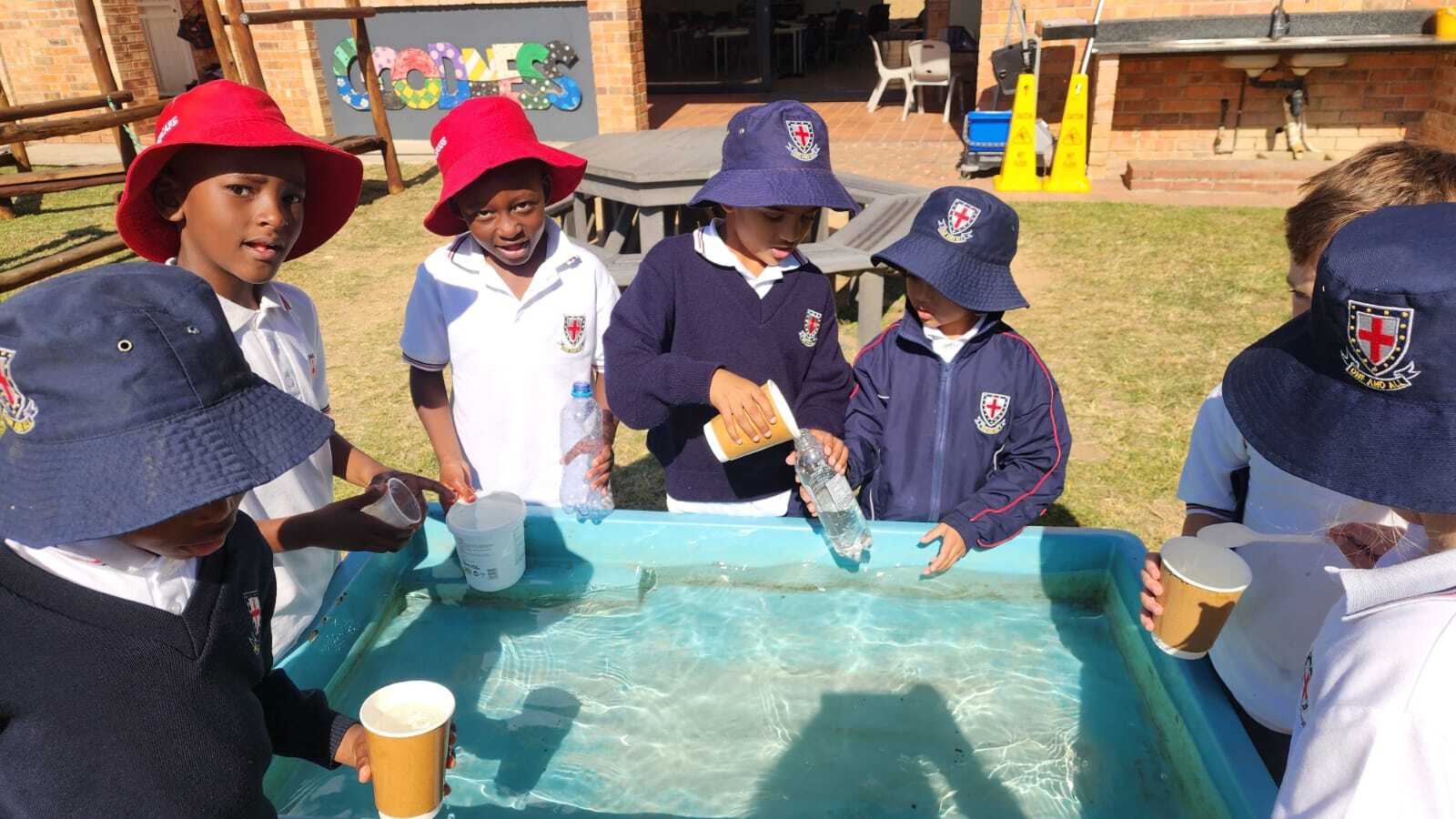
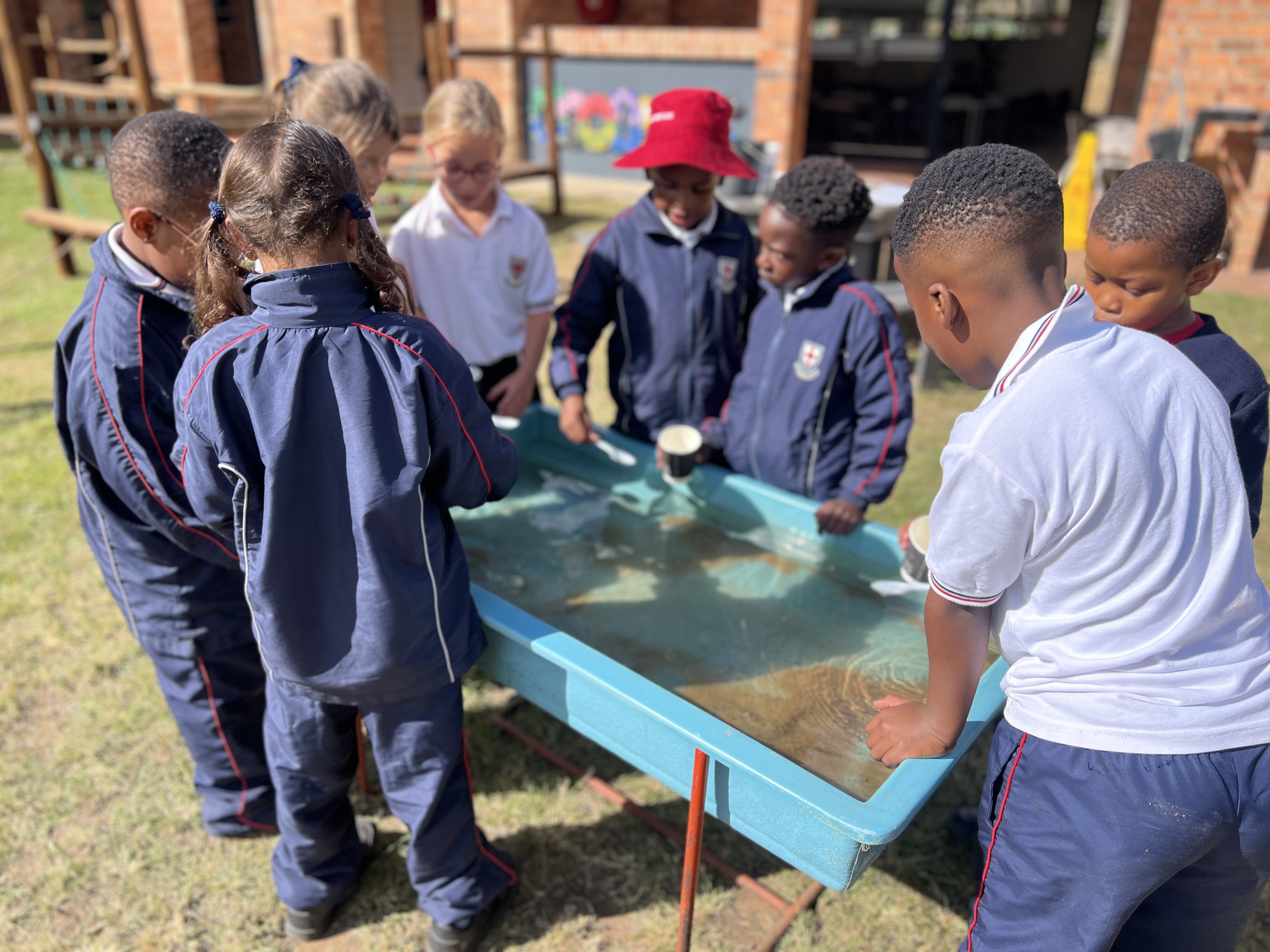
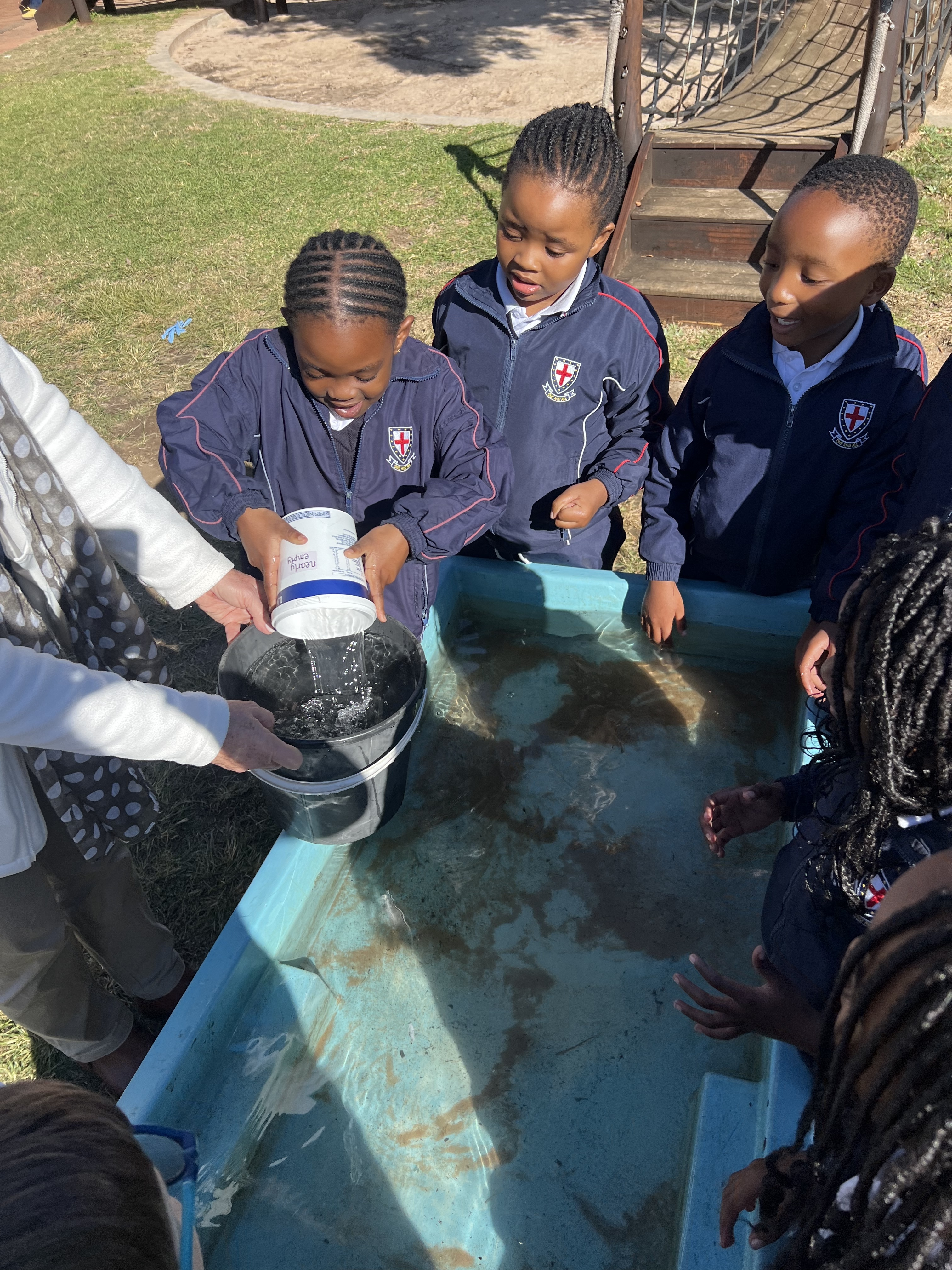
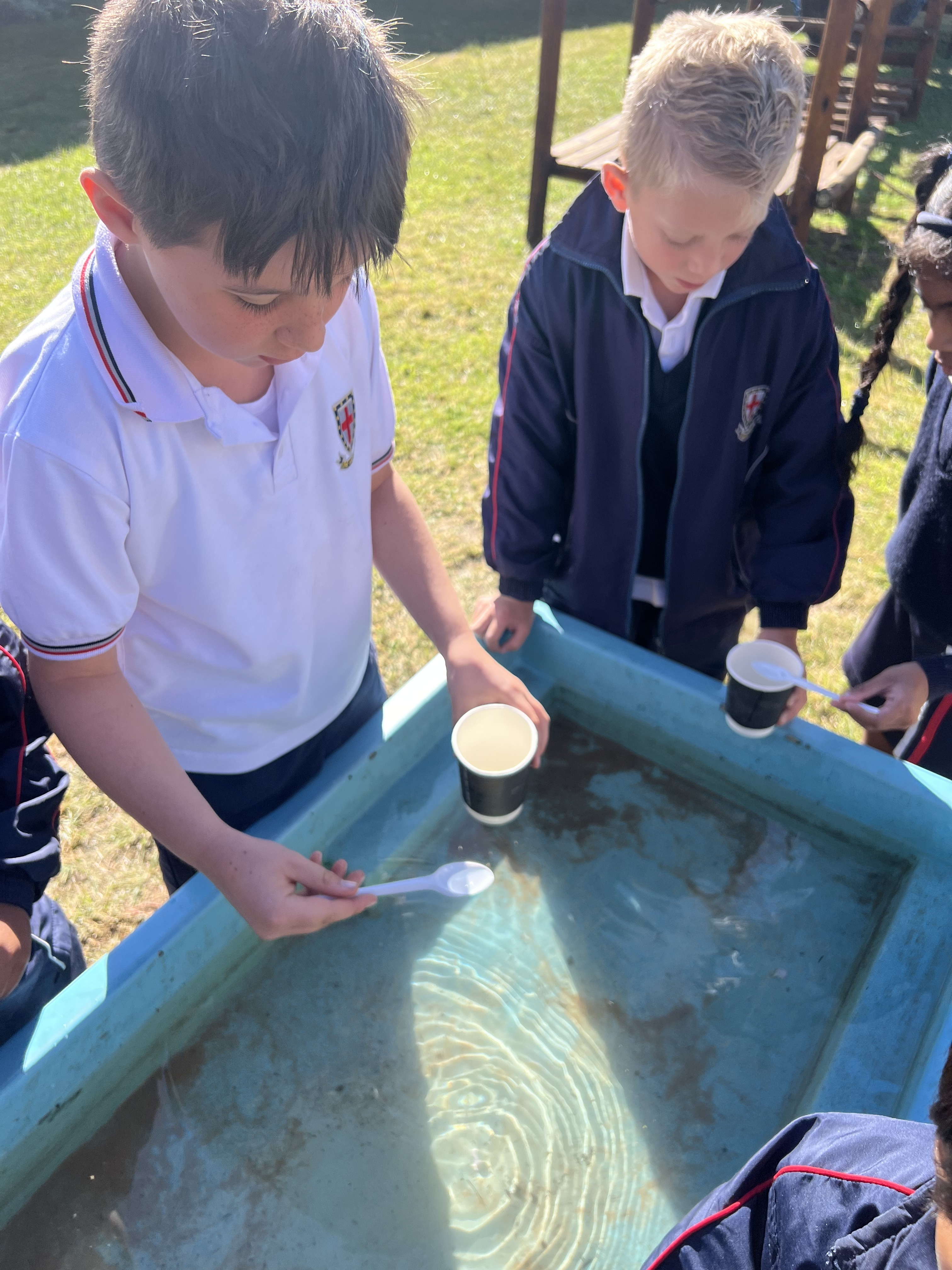
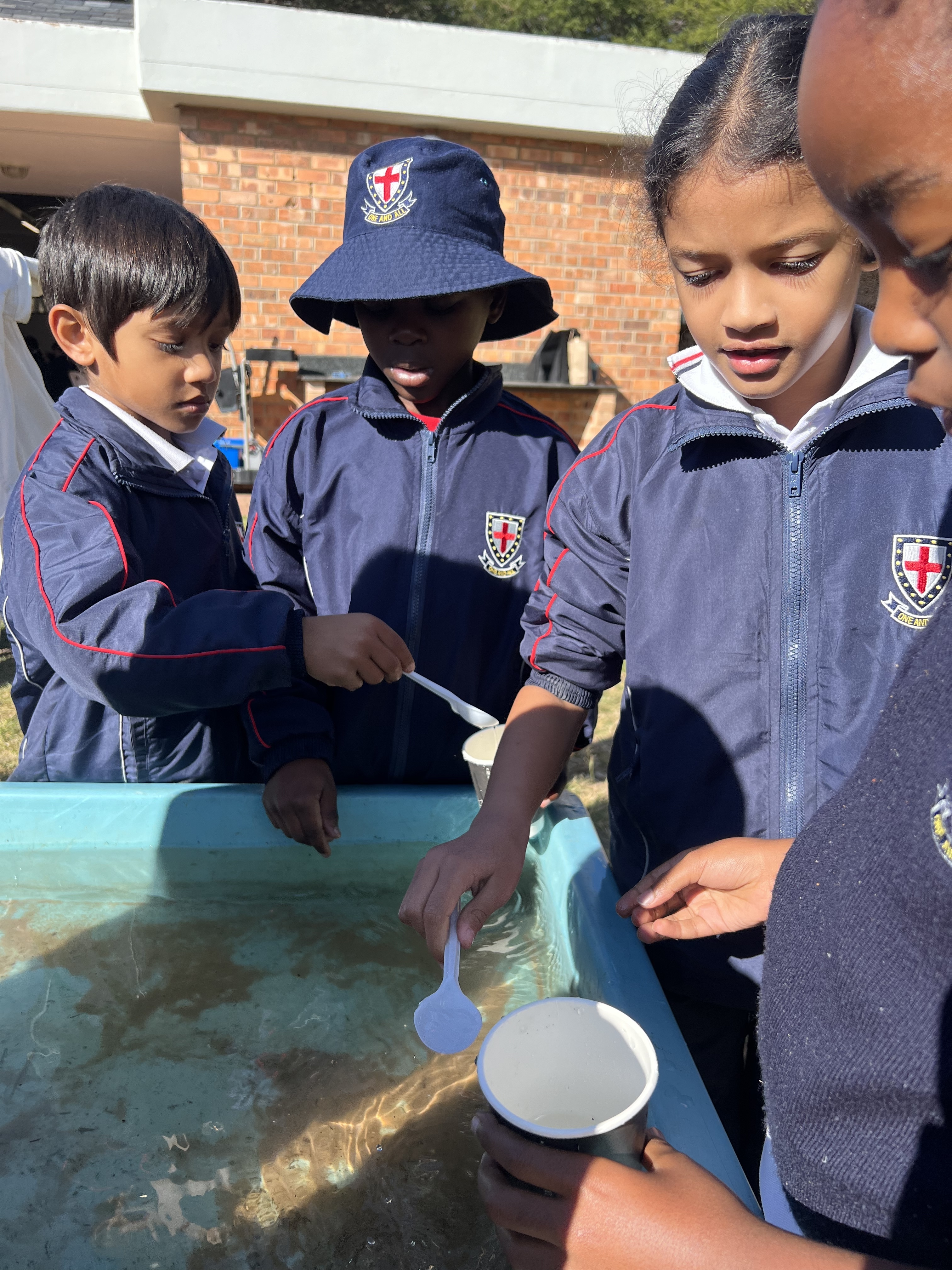
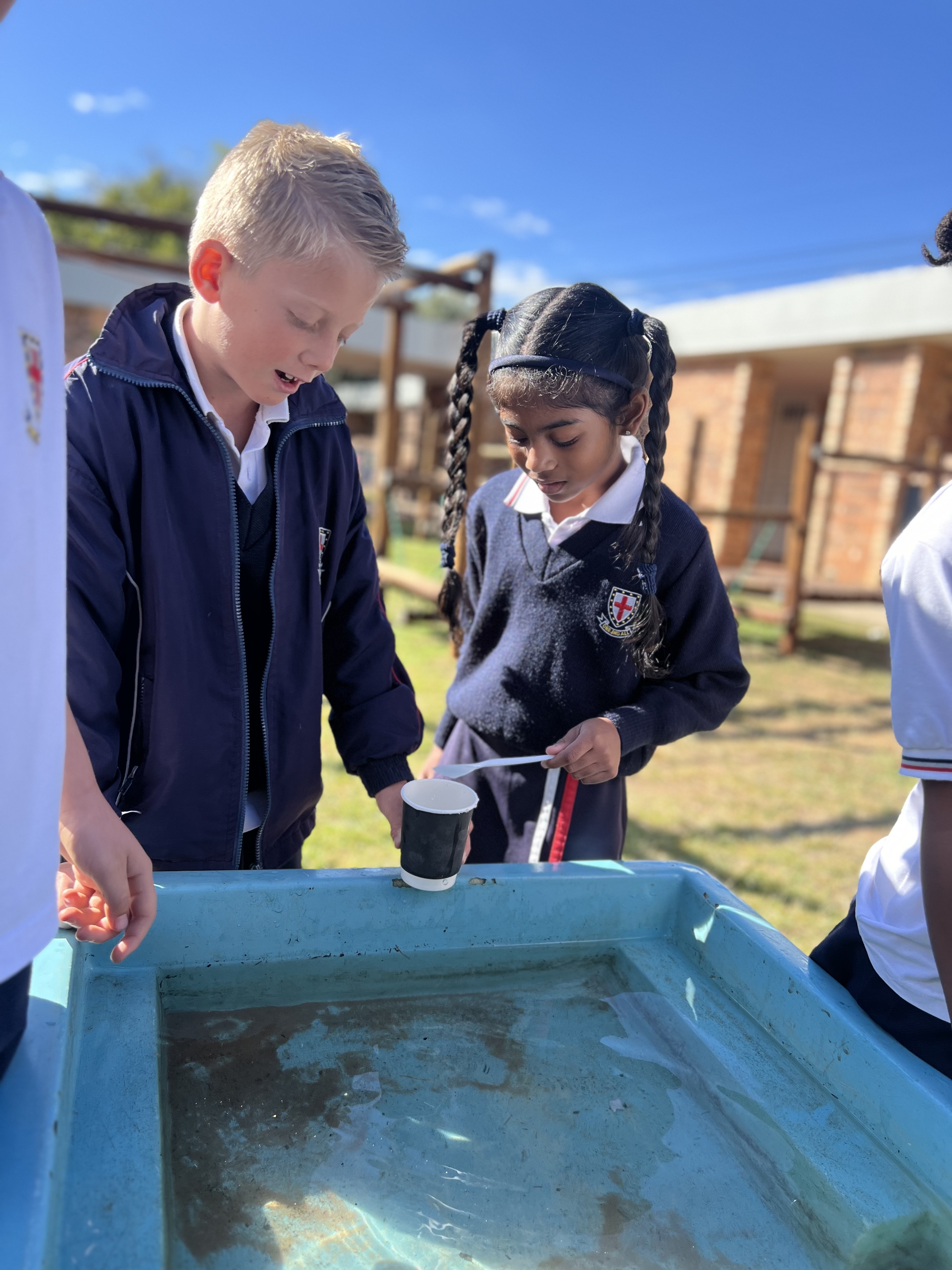
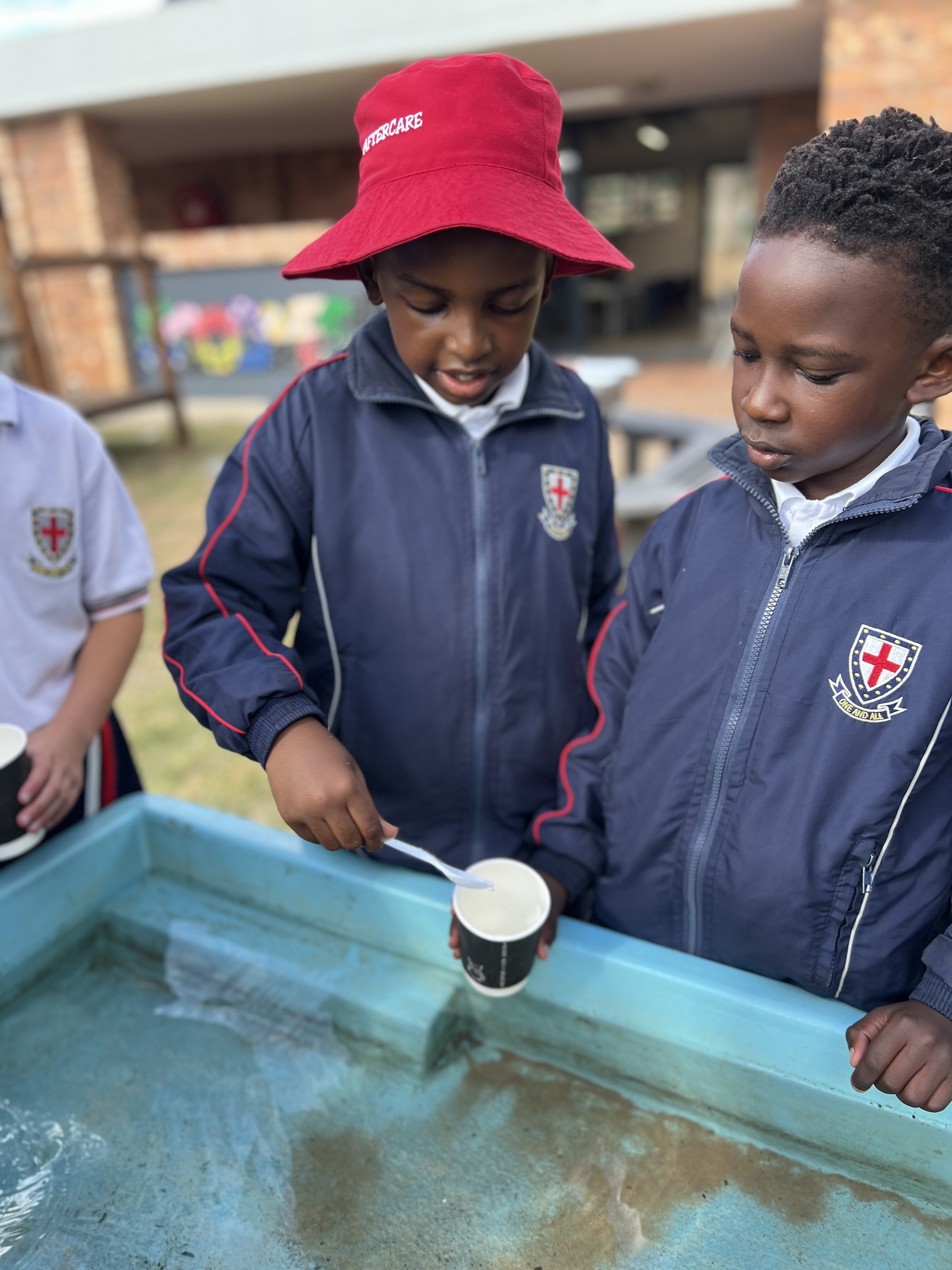
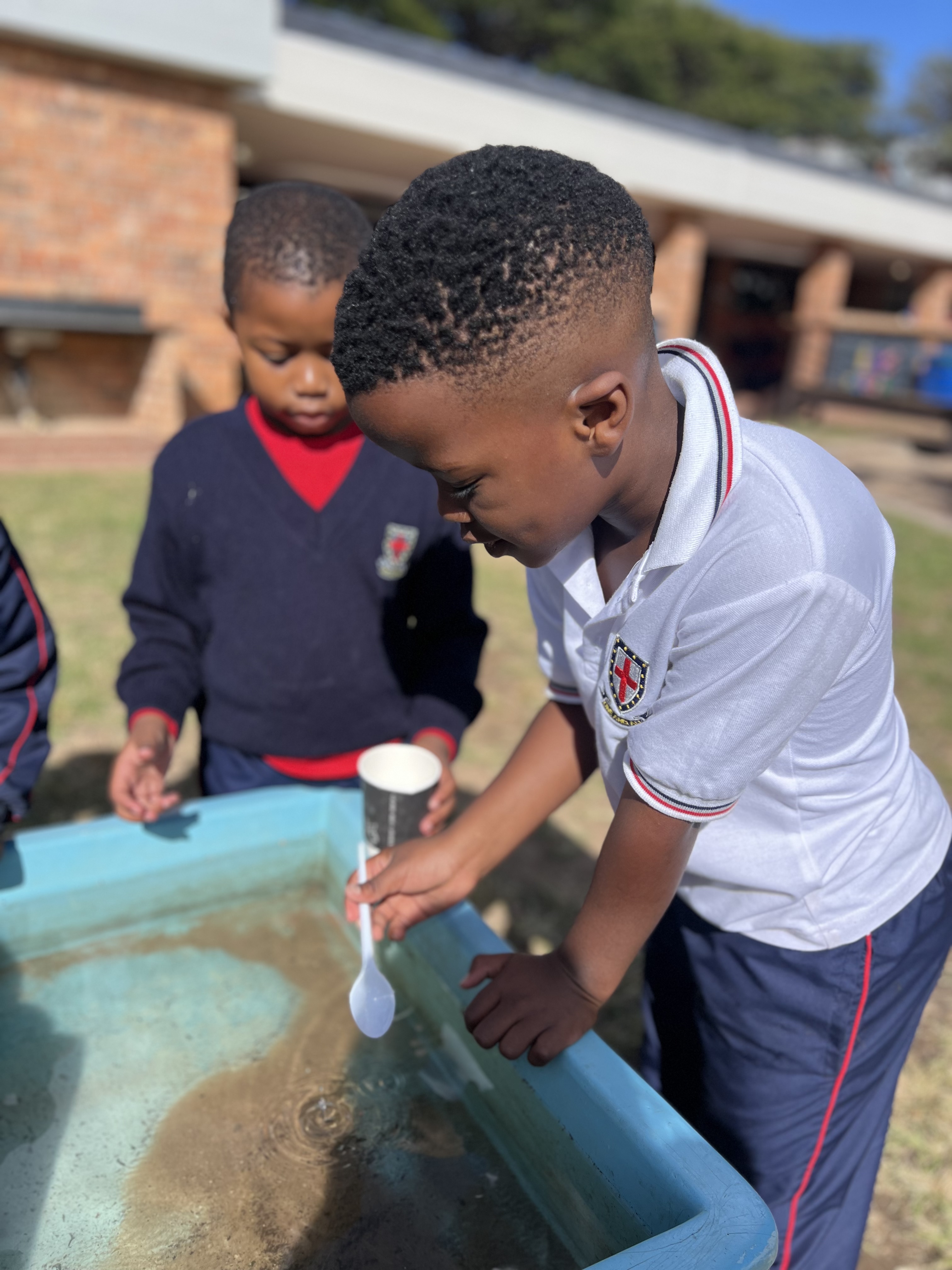
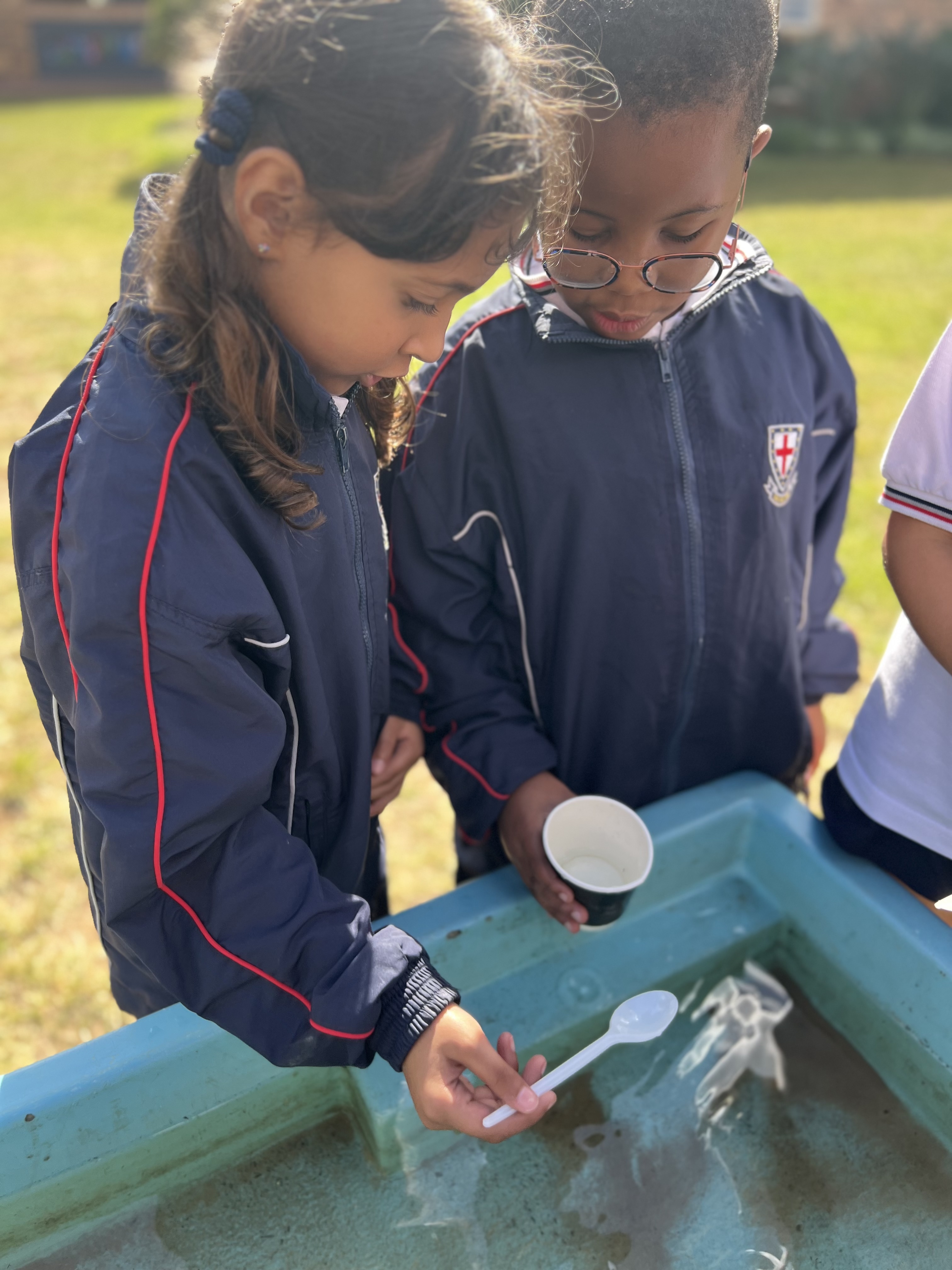
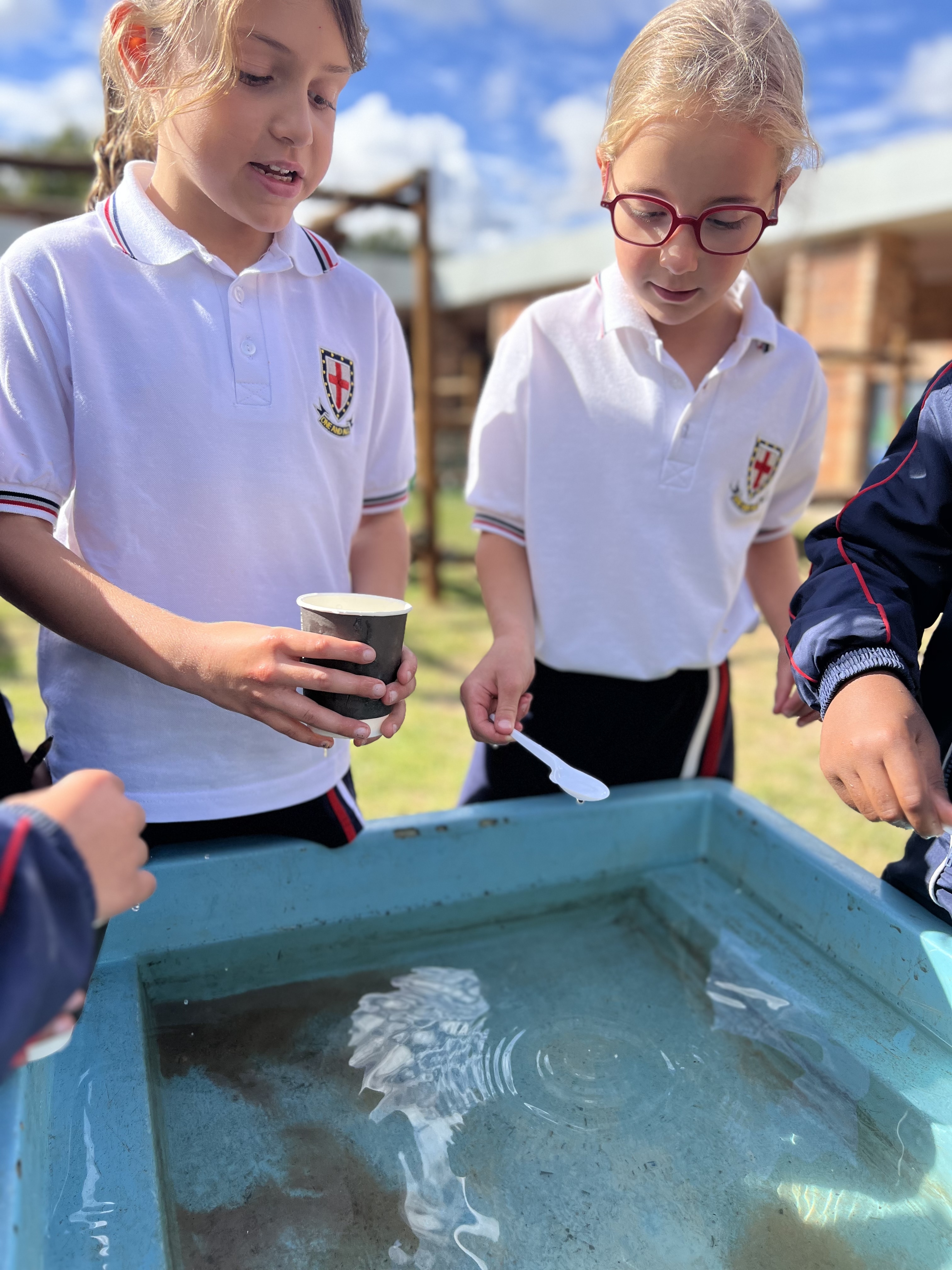
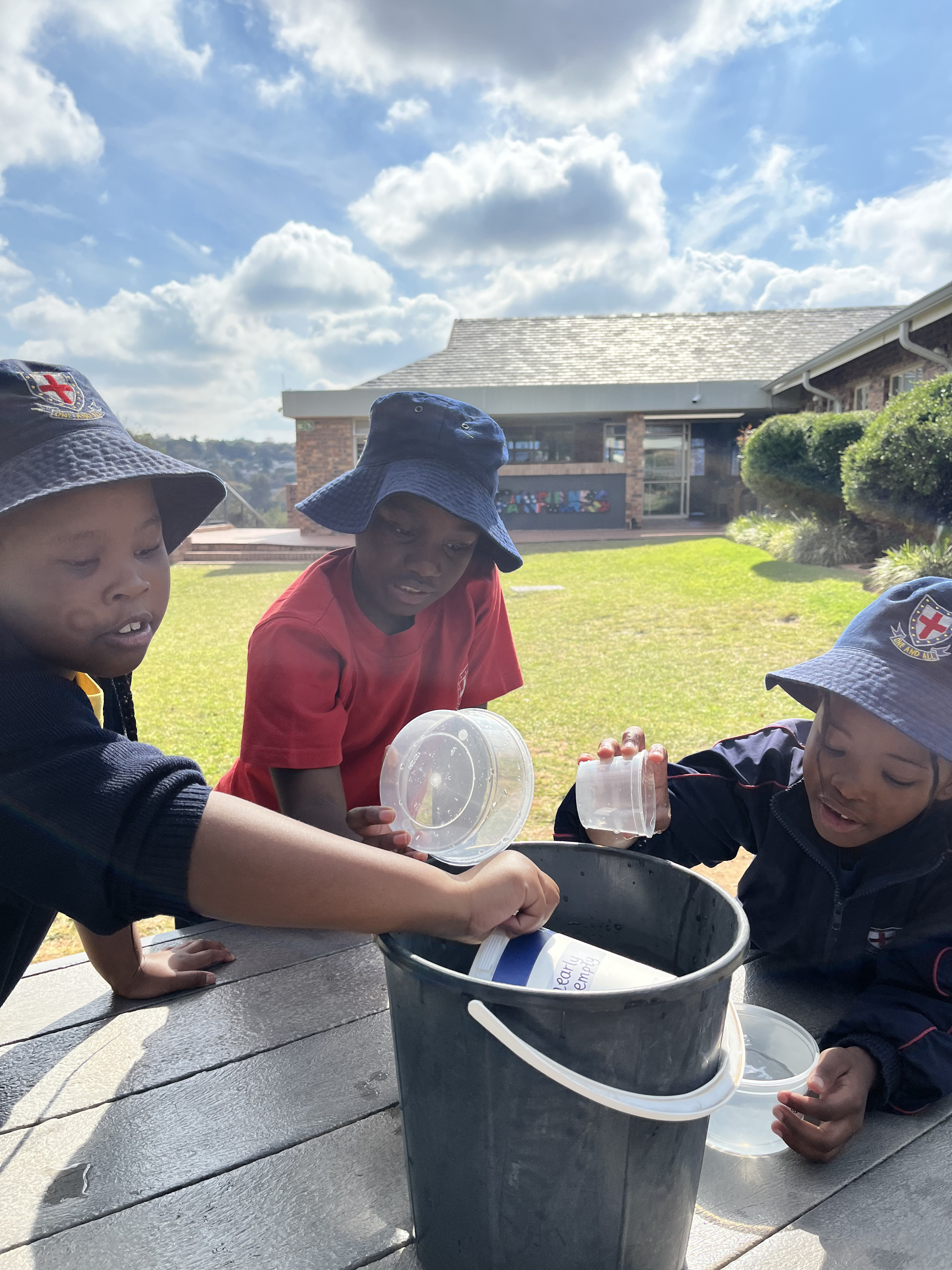
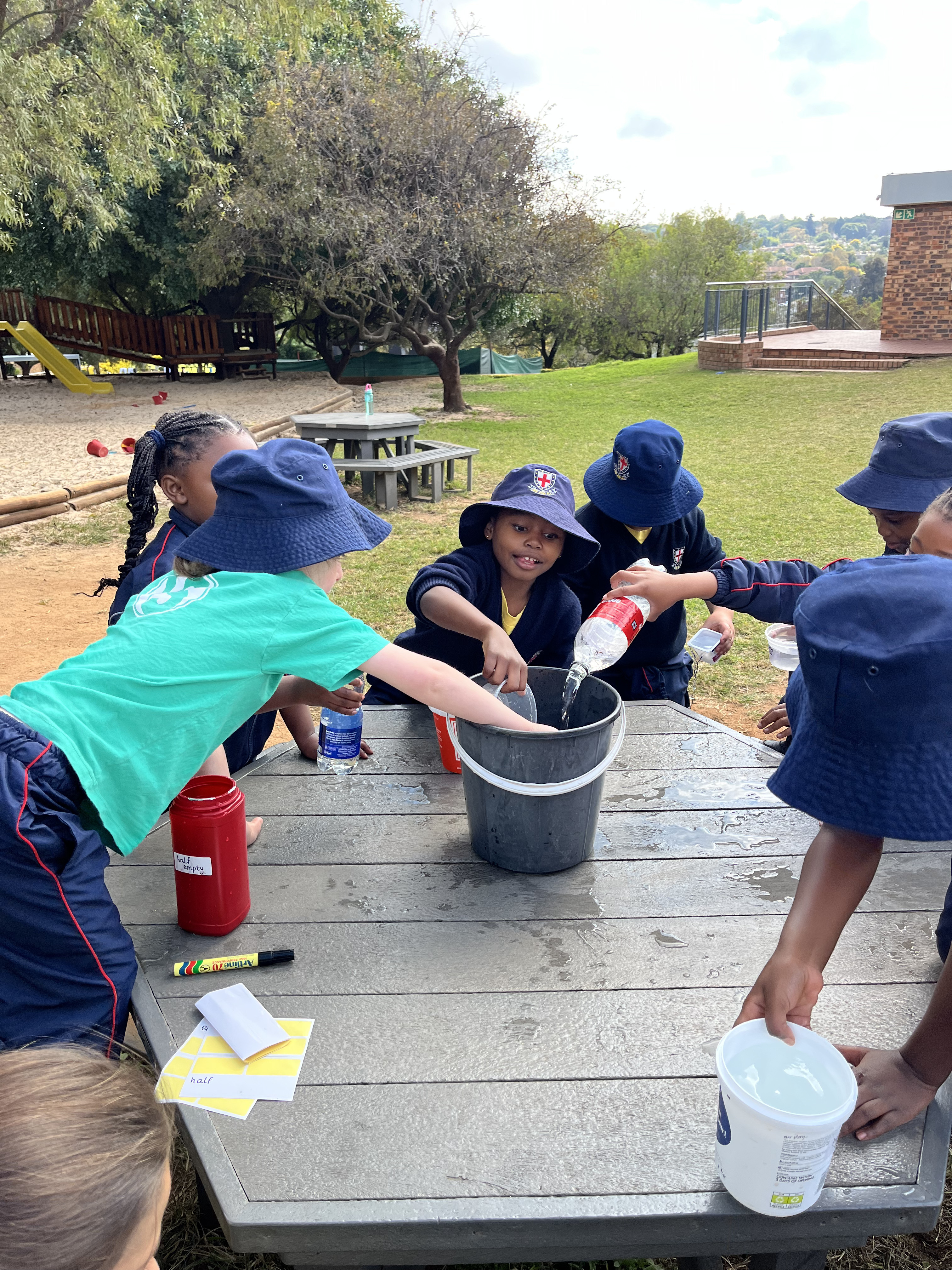
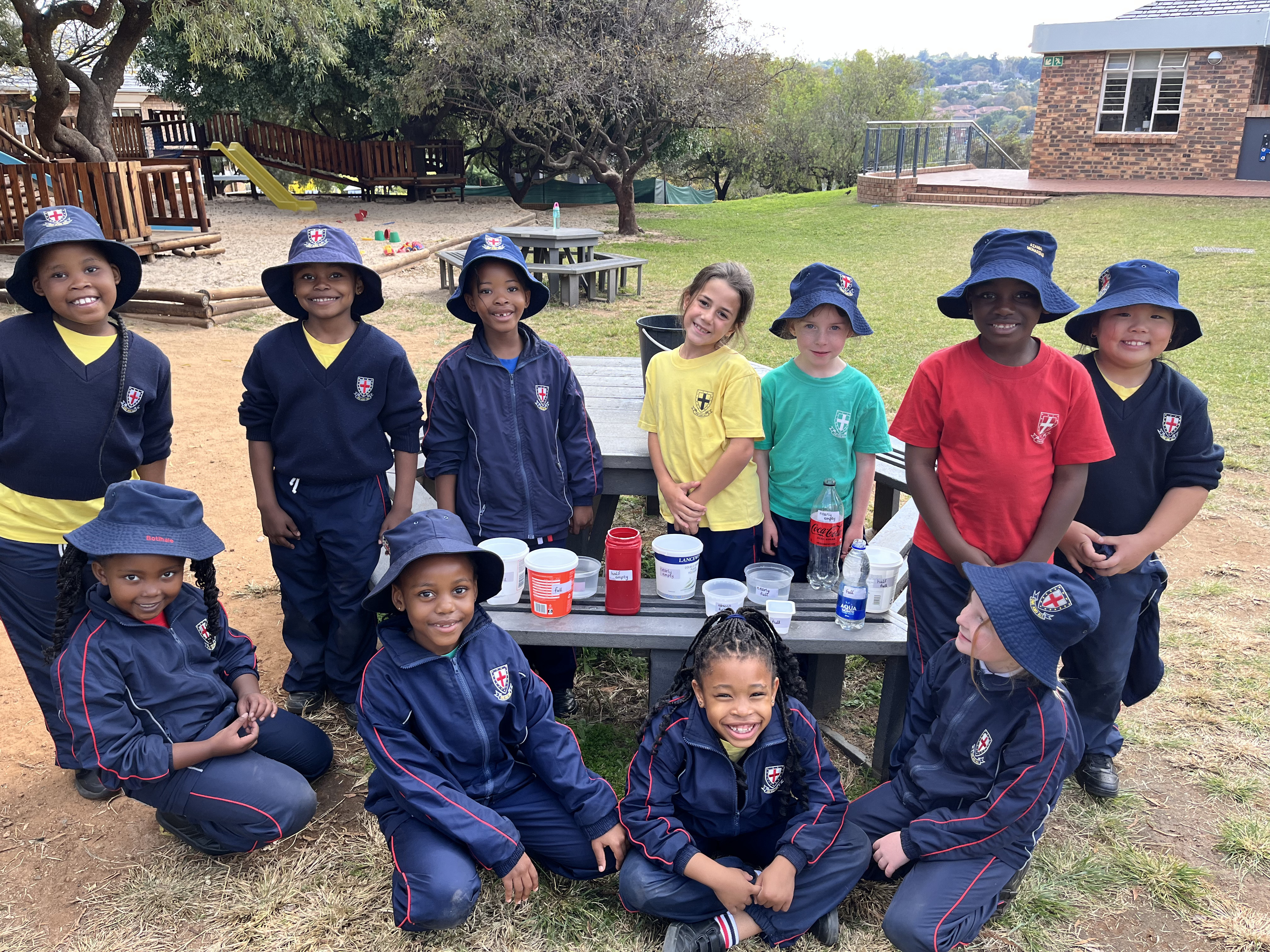
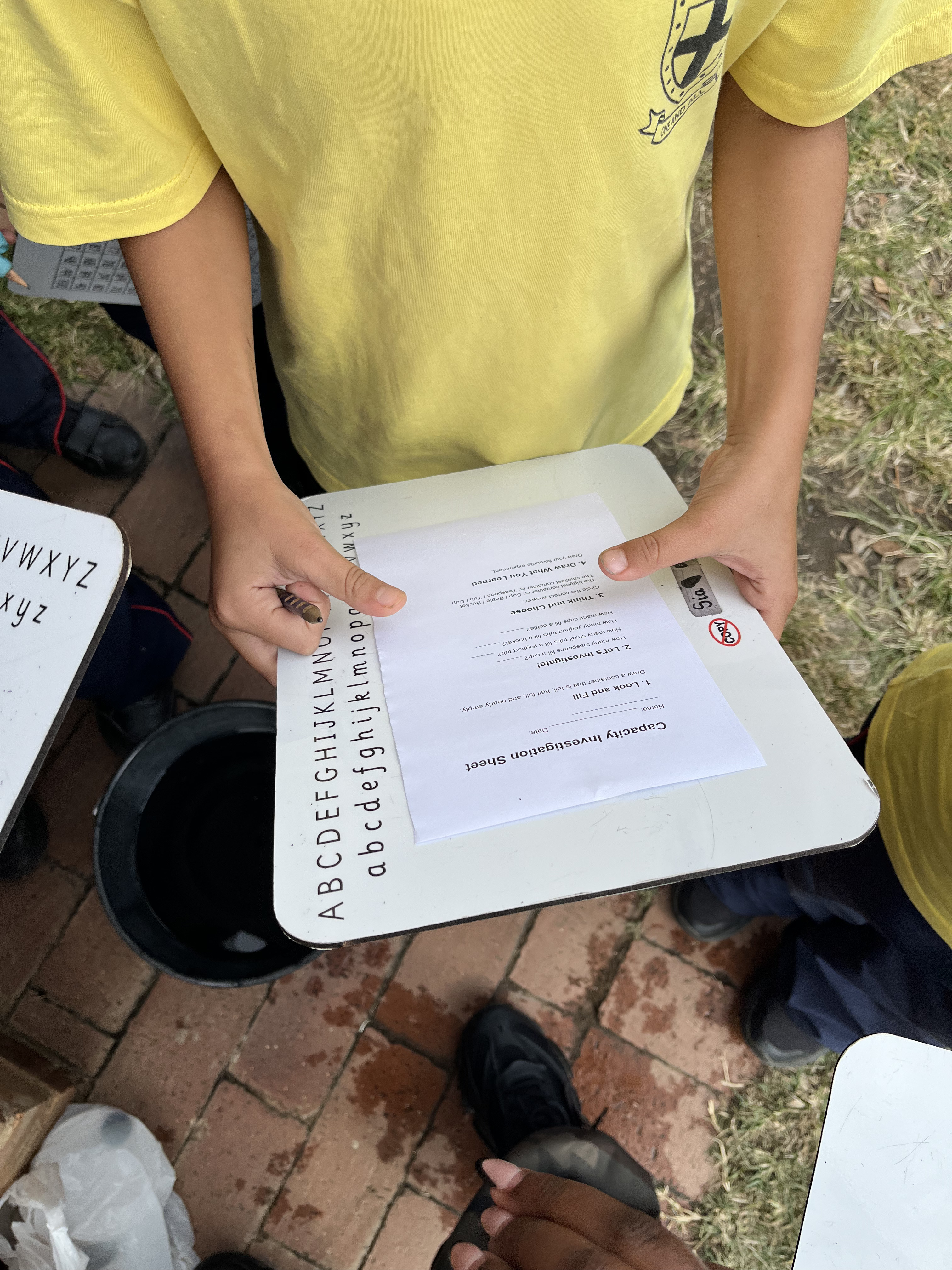
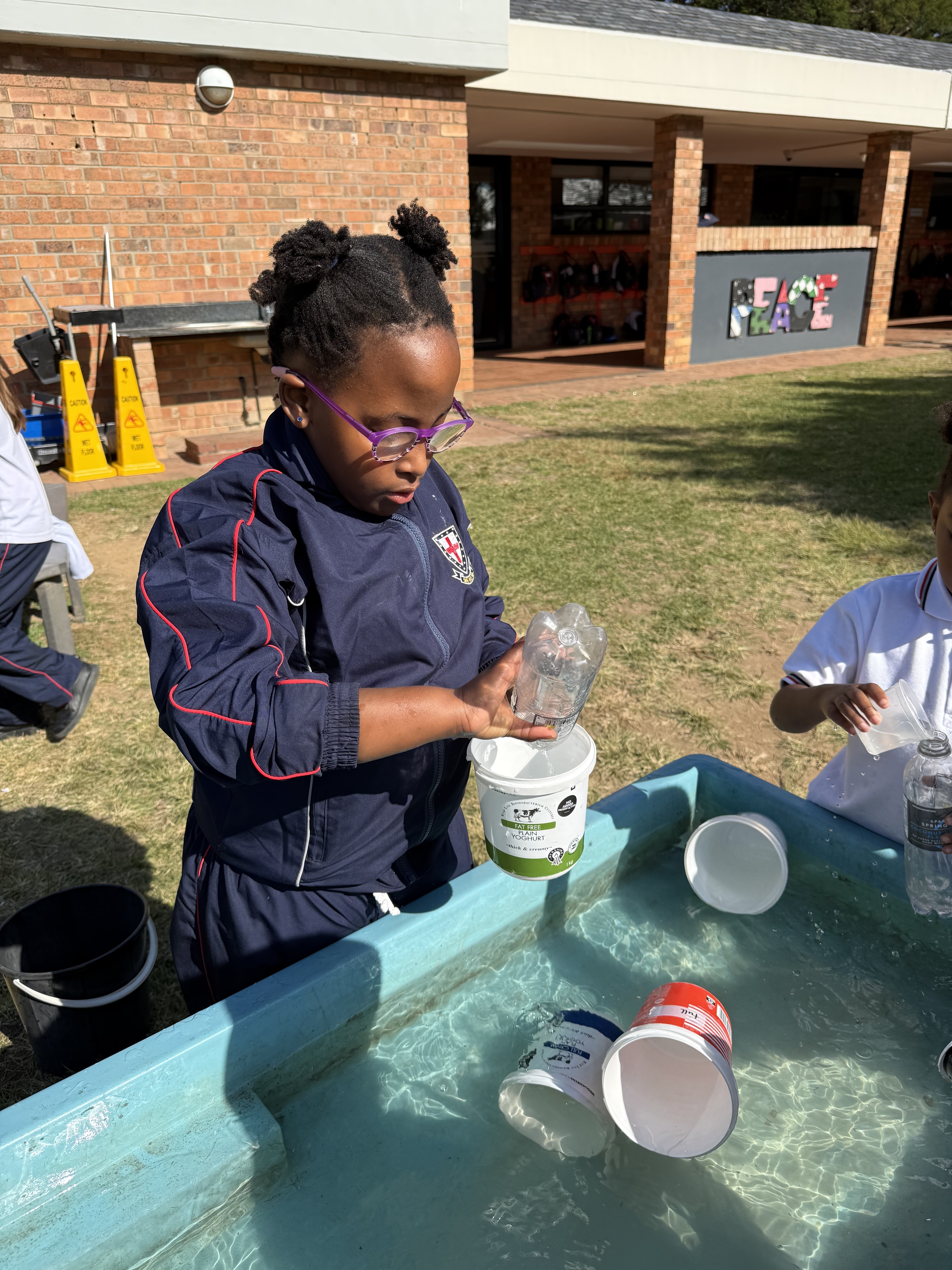
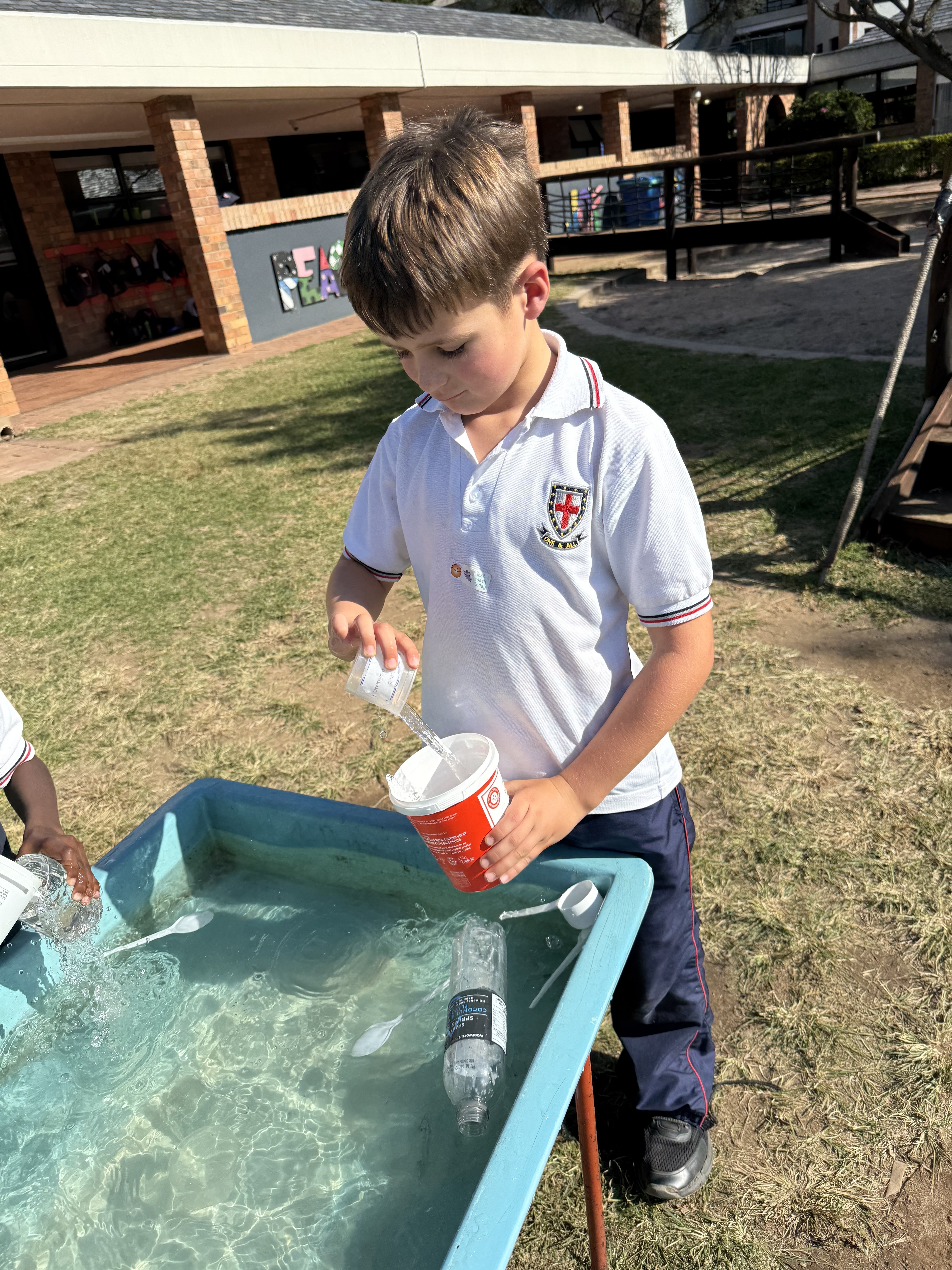
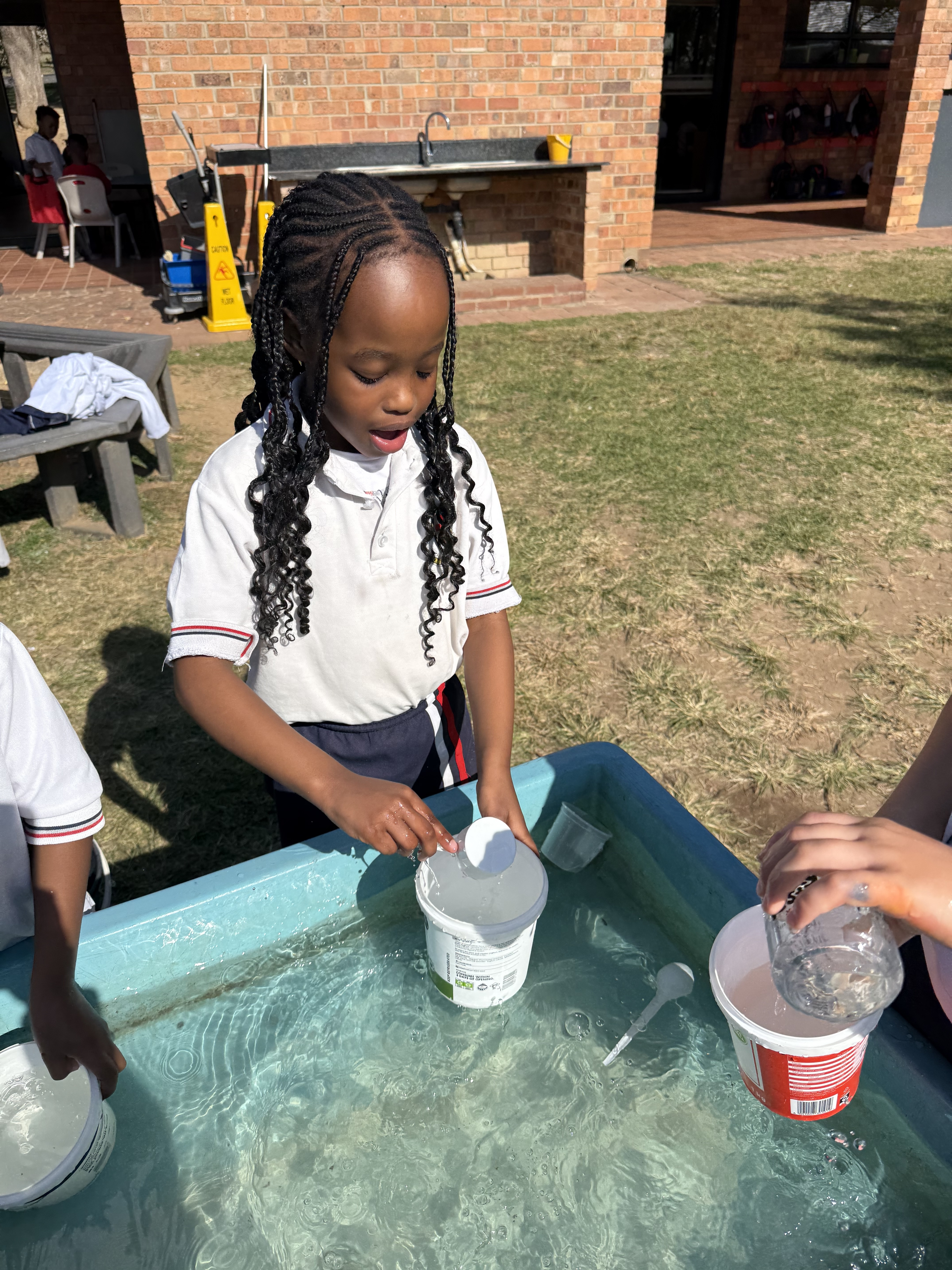
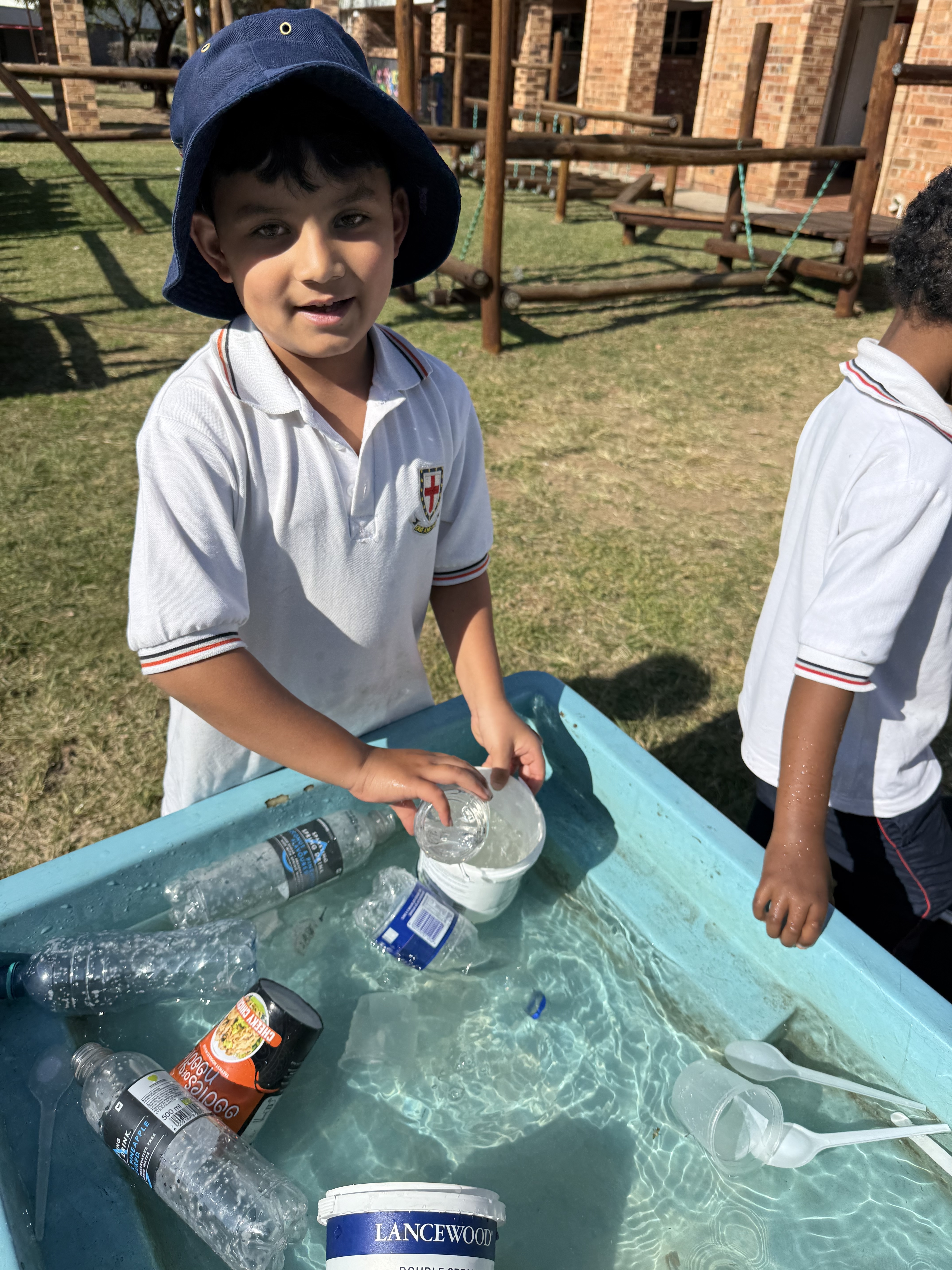
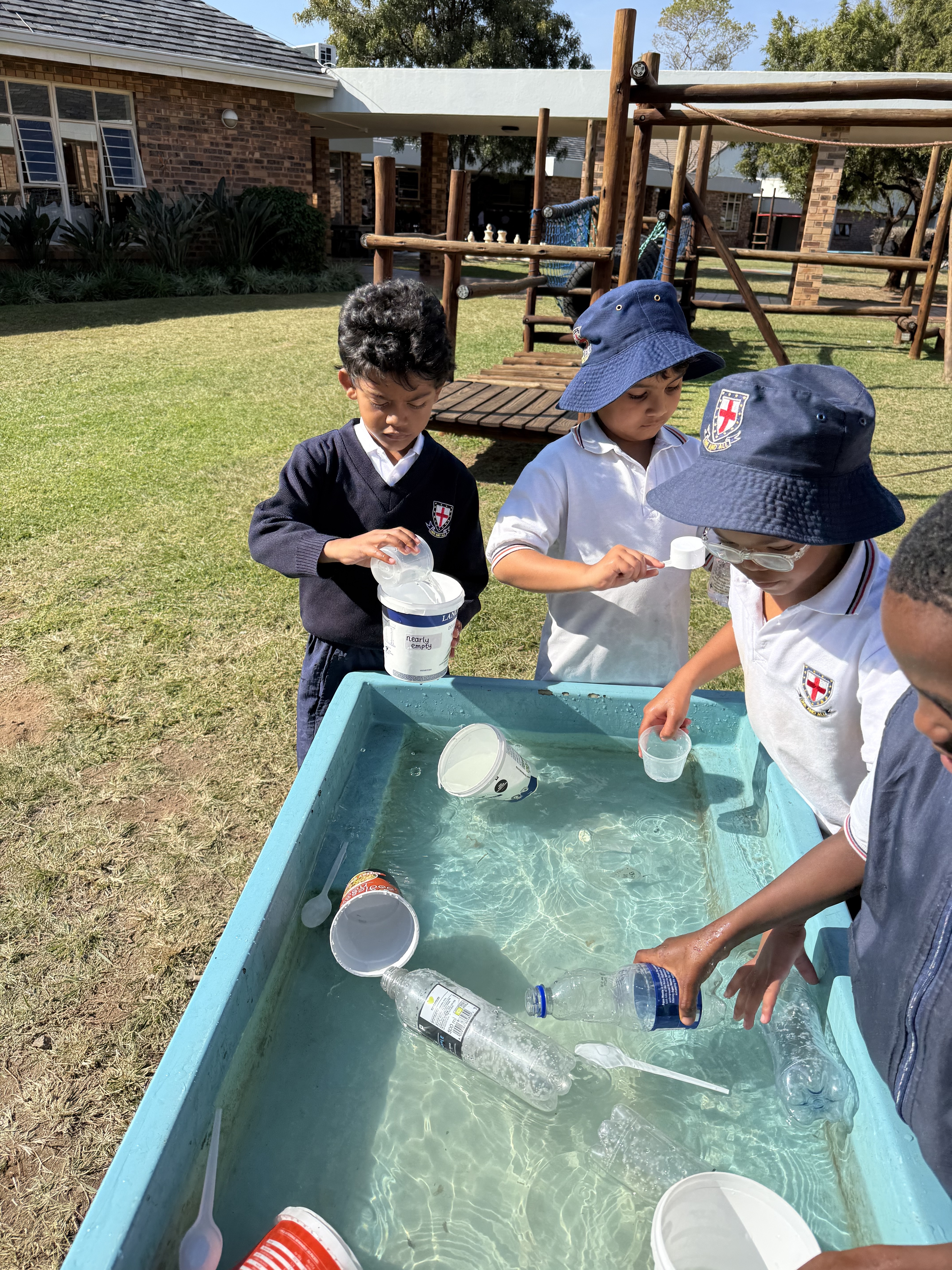
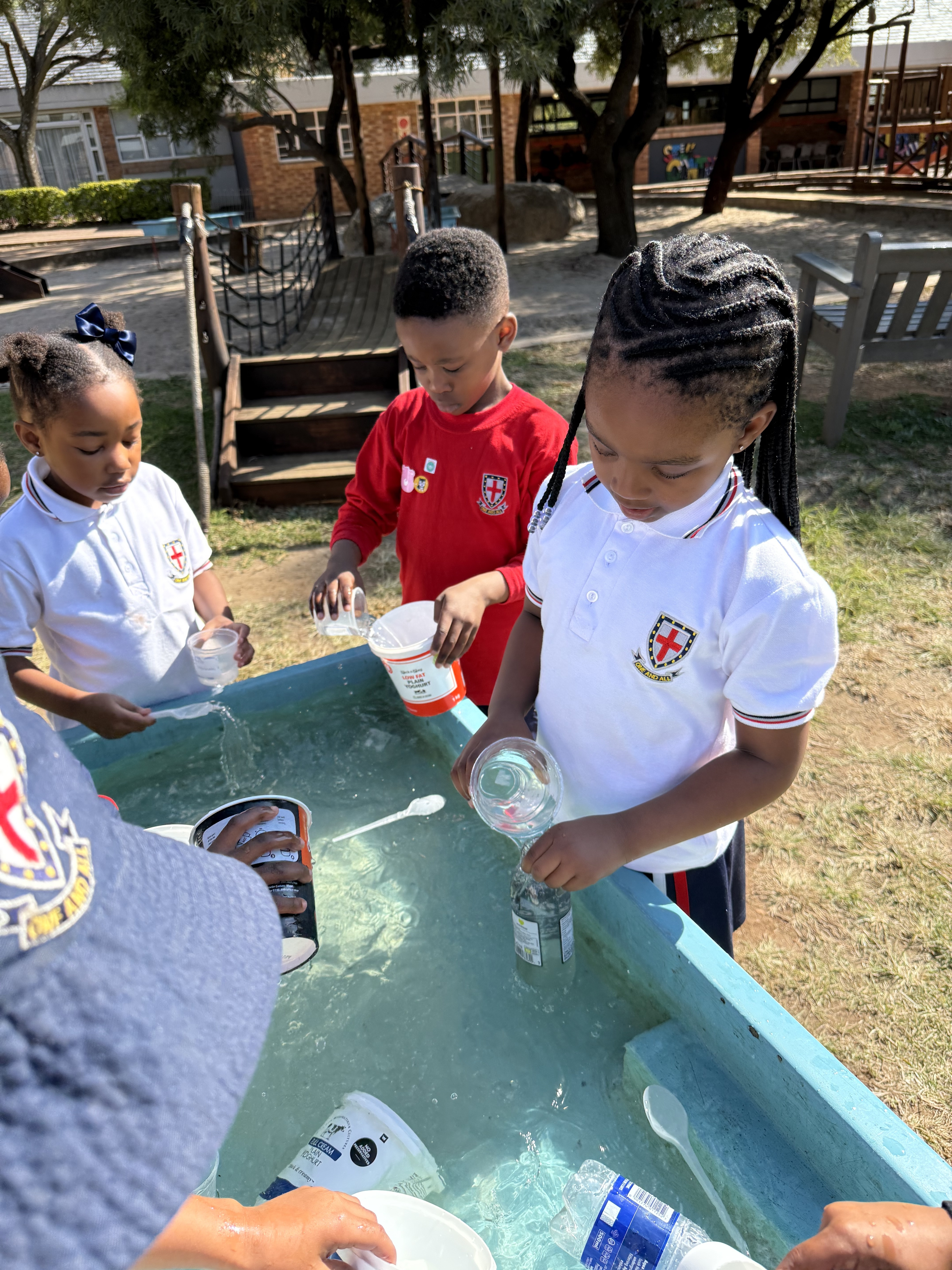
Following this, students eagerly moved into the practical phase of the lesson. Using teaspoons, cups, water, and a variety of recyclable containers, they worked together to test their predictions. There was a wonderful sense of excitement as students carefully poured, counted, and compared quantities. The play area was filled with laughter as students discovered whether their initial guesses were accurate.
This hands-on experience allowed students to learn through active exploration. By experimenting with containers of different shapes and sizes, they observed that a taller container does not always hold more than a shorter one. They began to build a deeper, more practical understanding of capacity in real-world contexts.
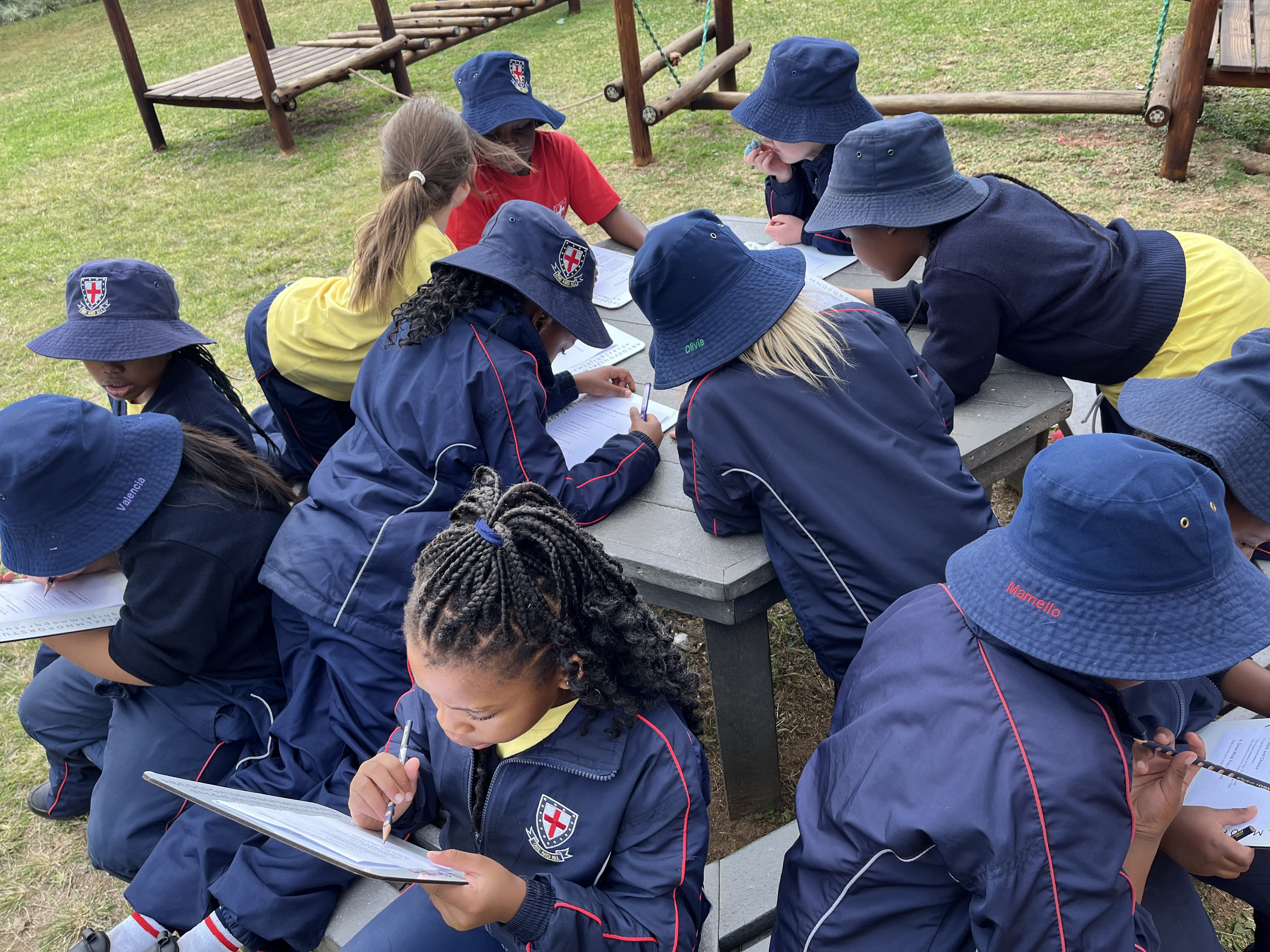
Collaboration was a key part of the lesson. Students worked beautifully in groups, sharing ideas, supporting one another and discussing their observations. They demonstrated growing confidence in their ability to think critically, solve problems, and reflect on their findings. It was especially pleasing to hear students using mathematical language naturally, incorporating terms such as “full,” “half-full,” “empty,” “more,” and “less” into their conversations.
The lesson concluded with a reflective discussion, where students proudly shared what they had learned. Many spoke about how measuring and comparing helped them understand which containers could hold the most water, while others reflected on the importance of making predictions and assessing their ideas.