


Beyond the Classroom: A Tanzanian Journey of Growth and Global Citizenship
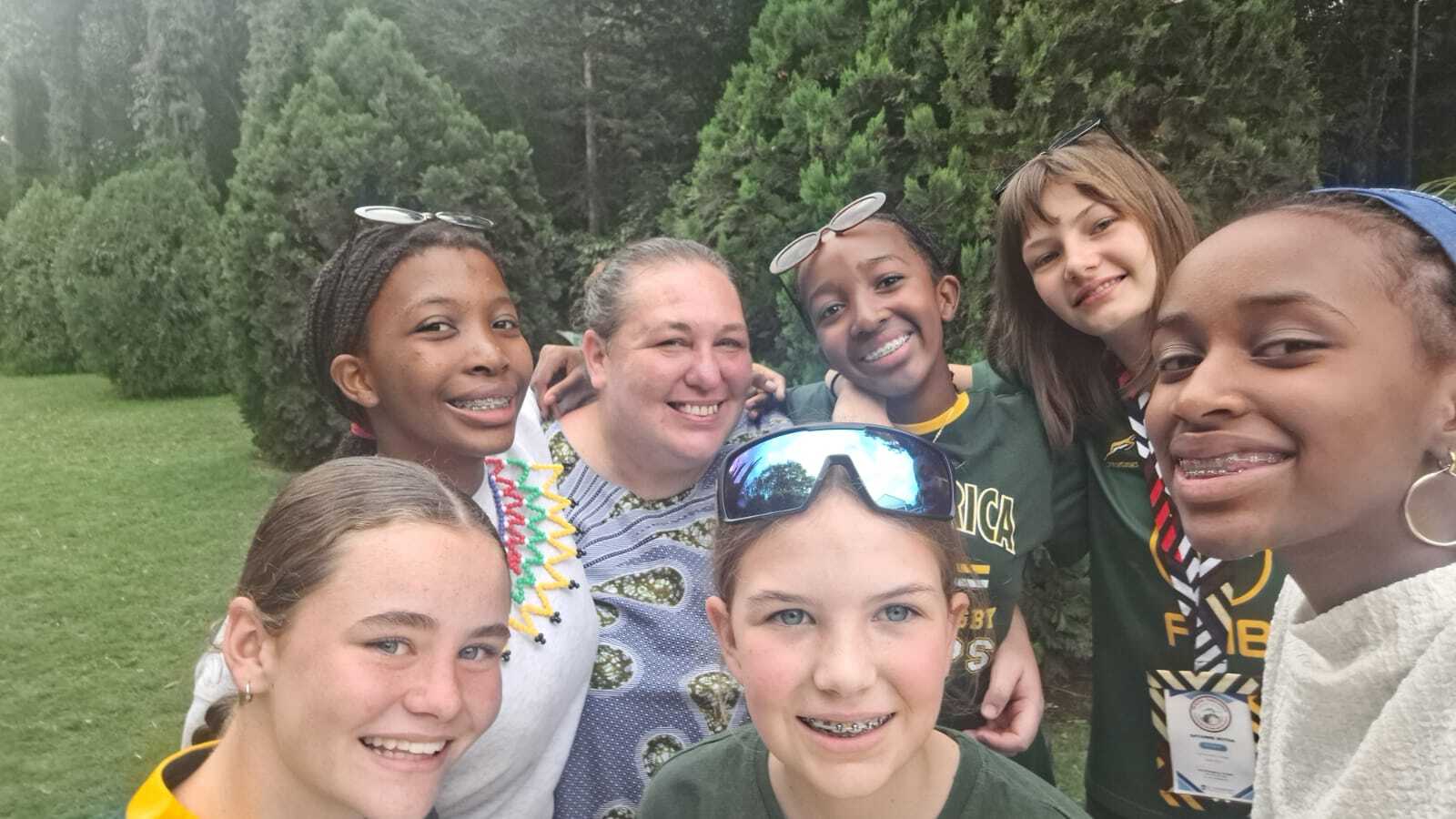
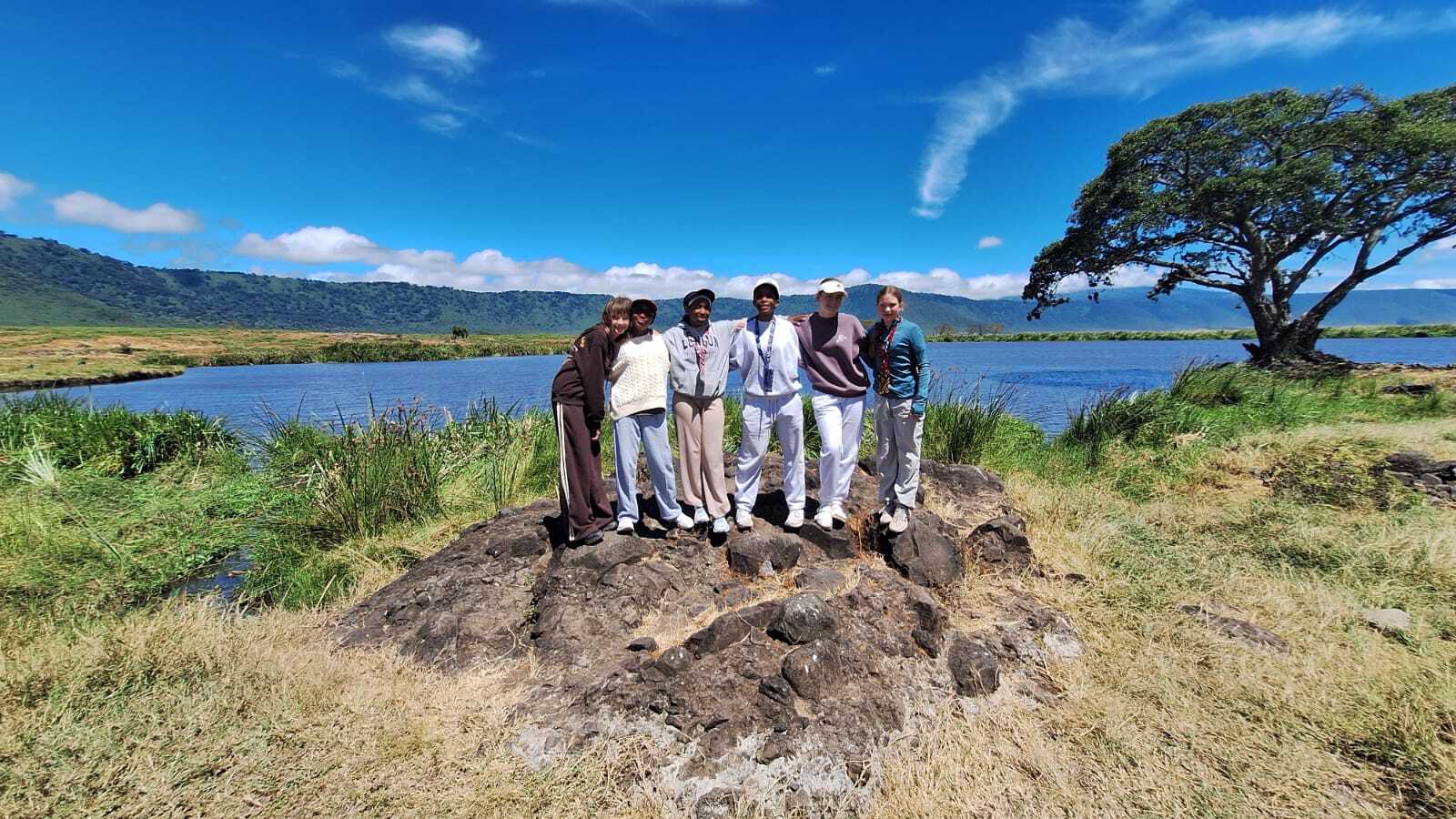
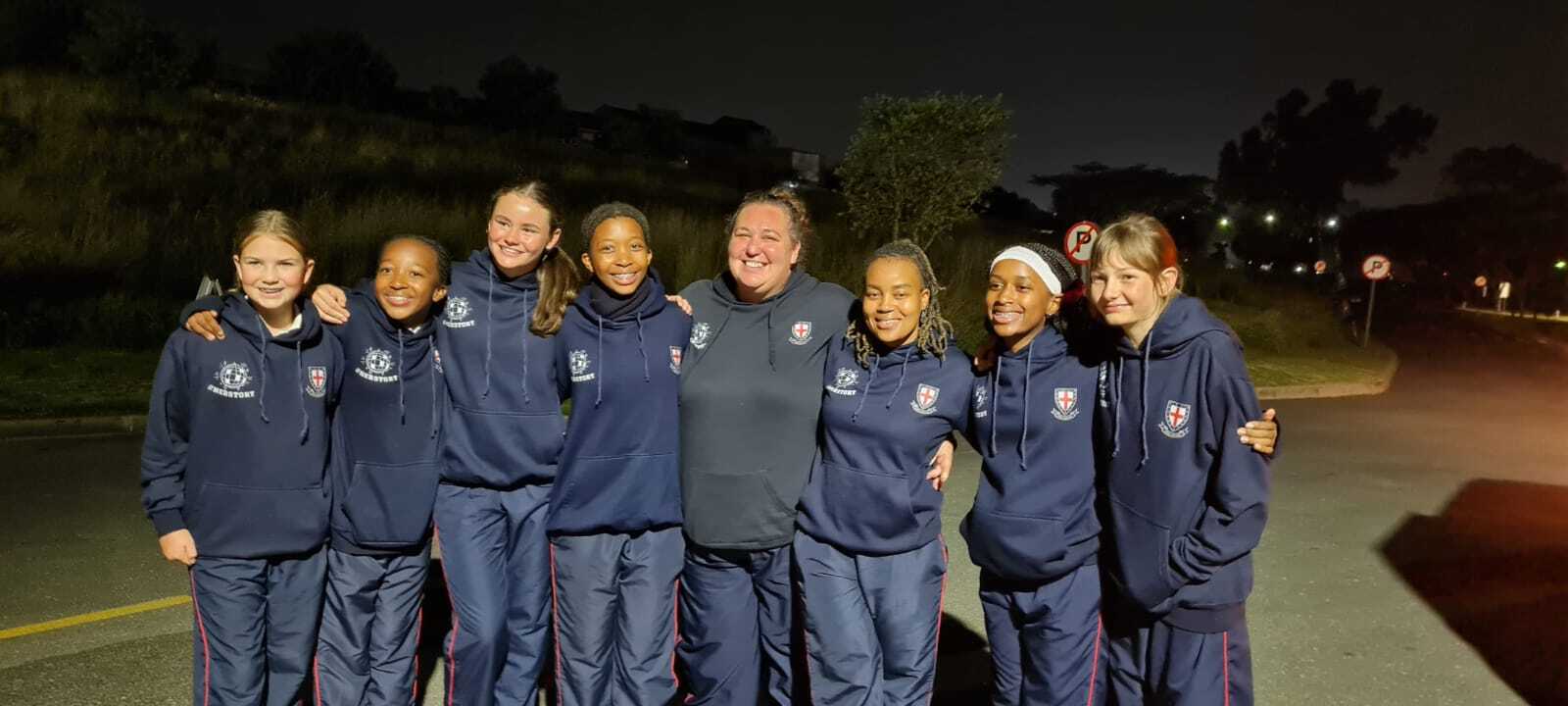
Standing at OR Tambo on a chilly Sunday evening, watching six Girls’ Prep students bounce with barely contained excitement, passports clutched and eyes wide, the immense value of global education becomes instantly clear. International travel offers a unique canvas for growth, and watching students step into that space is a remarkable privilege.
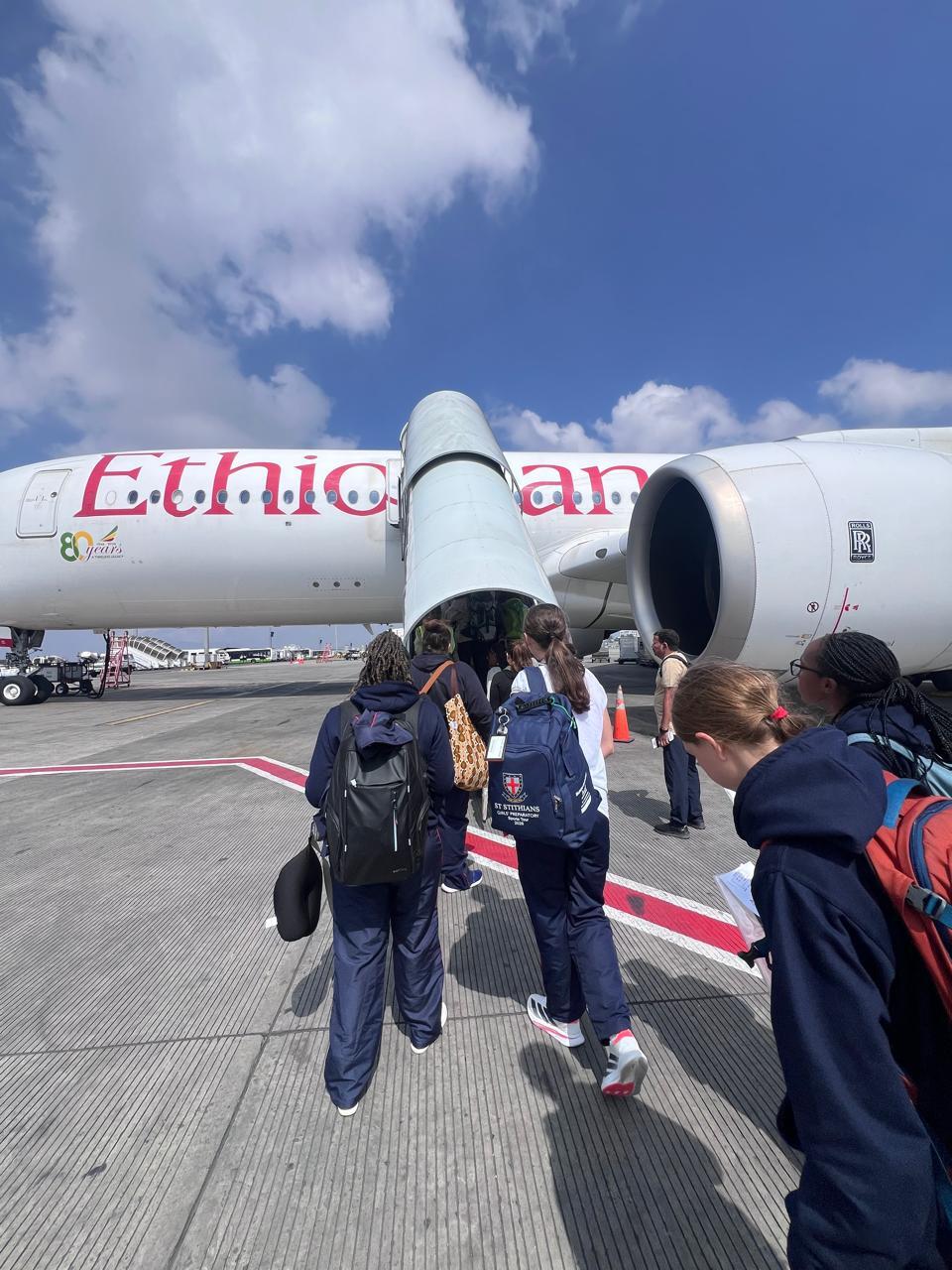
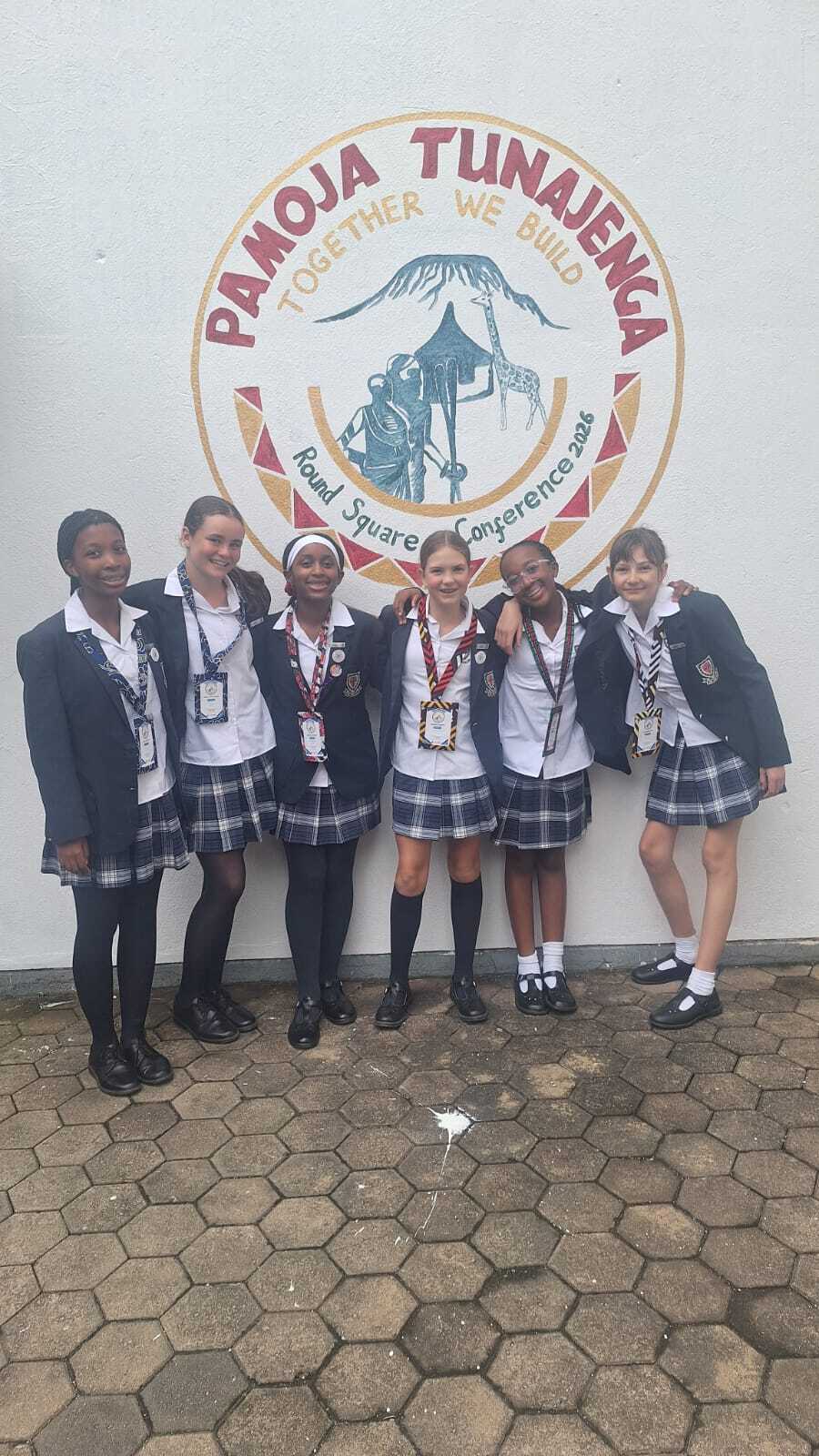
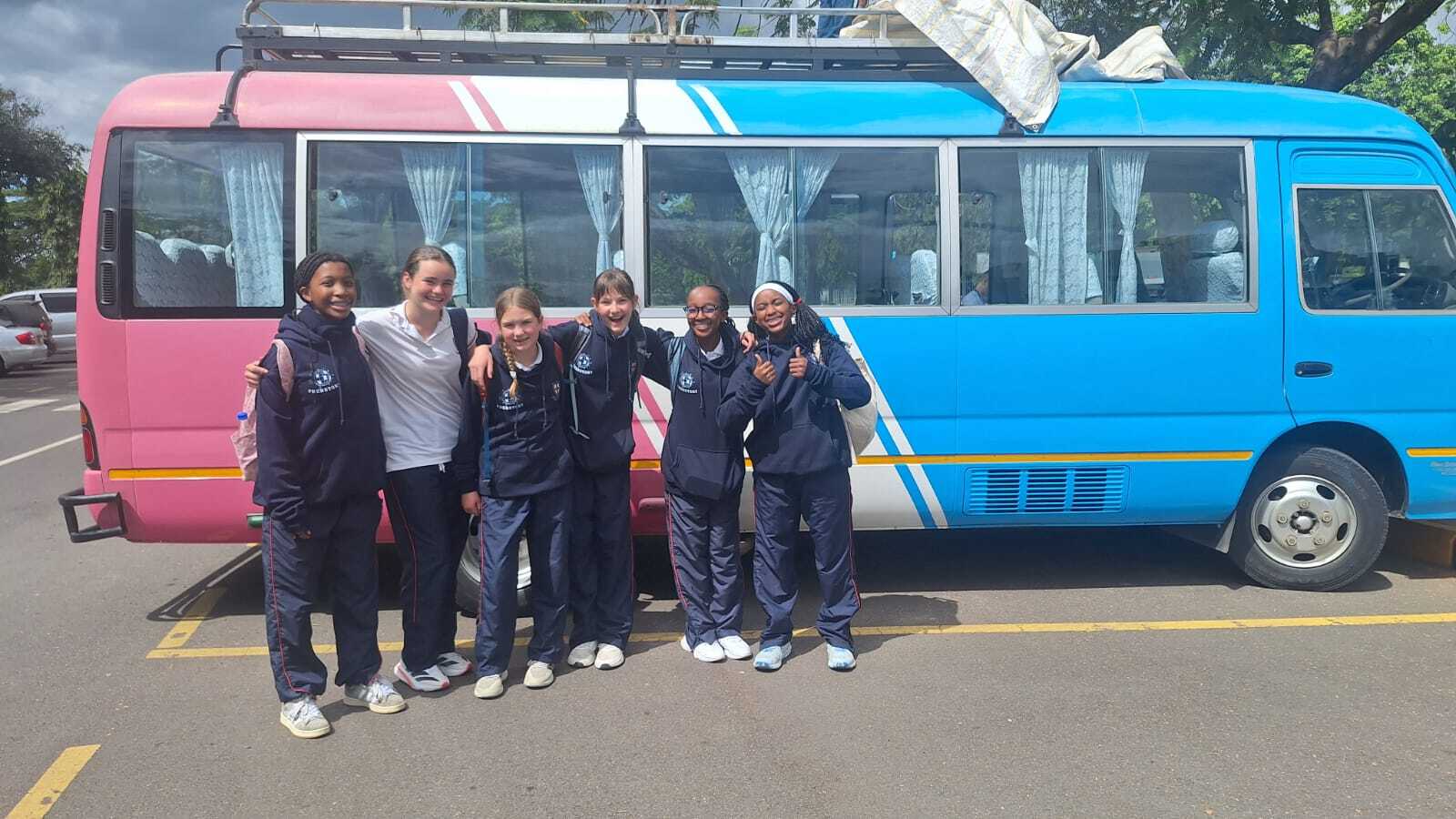
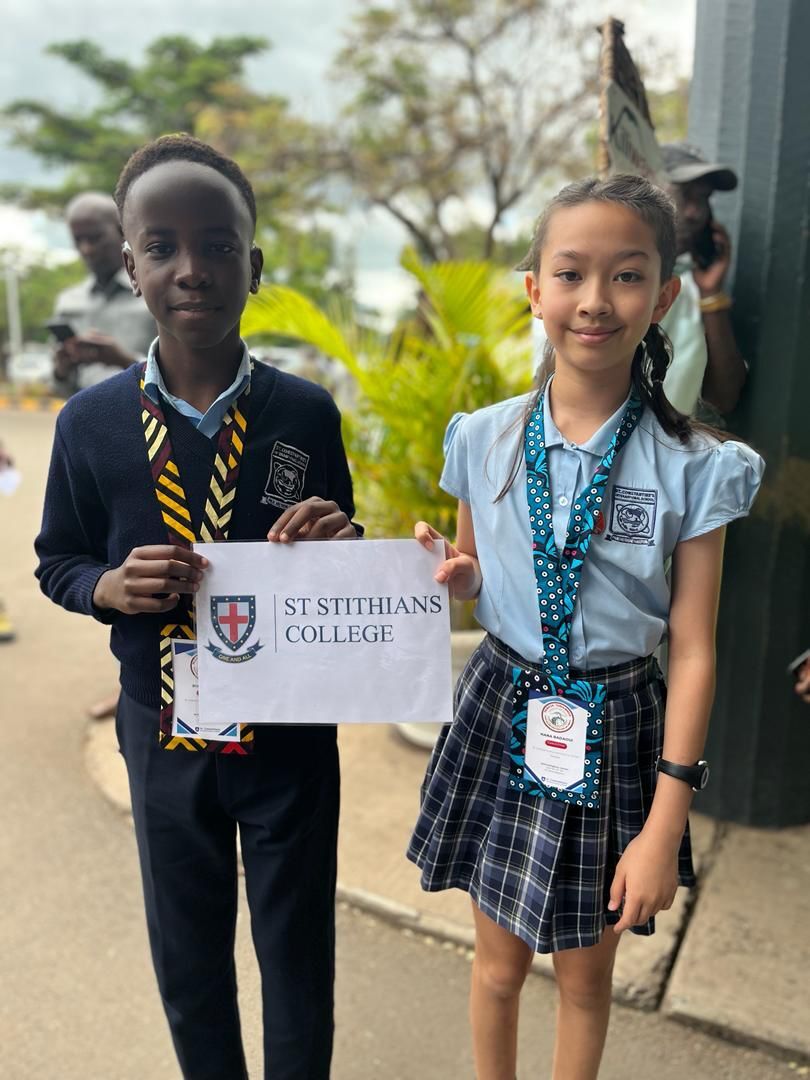
This incredible trip formed part of a Round Square conference, grounded in the ideals of internationalism, environmentalism, service, and leadership. Hosted by St Constantine’s International School in Arusha, it brought together students from across the world, creating a space where learning extended far beyond the classroom. The long journey there, marked by a late-night departure, a five-hour flight, and an equally long layover in Ethiopia, was only the beginning. As one student recalled, “Landing in Ethiopia at 05h30, we turned our long layover into a massive shopping spree before boarding our flight to Kilimanjaro.”
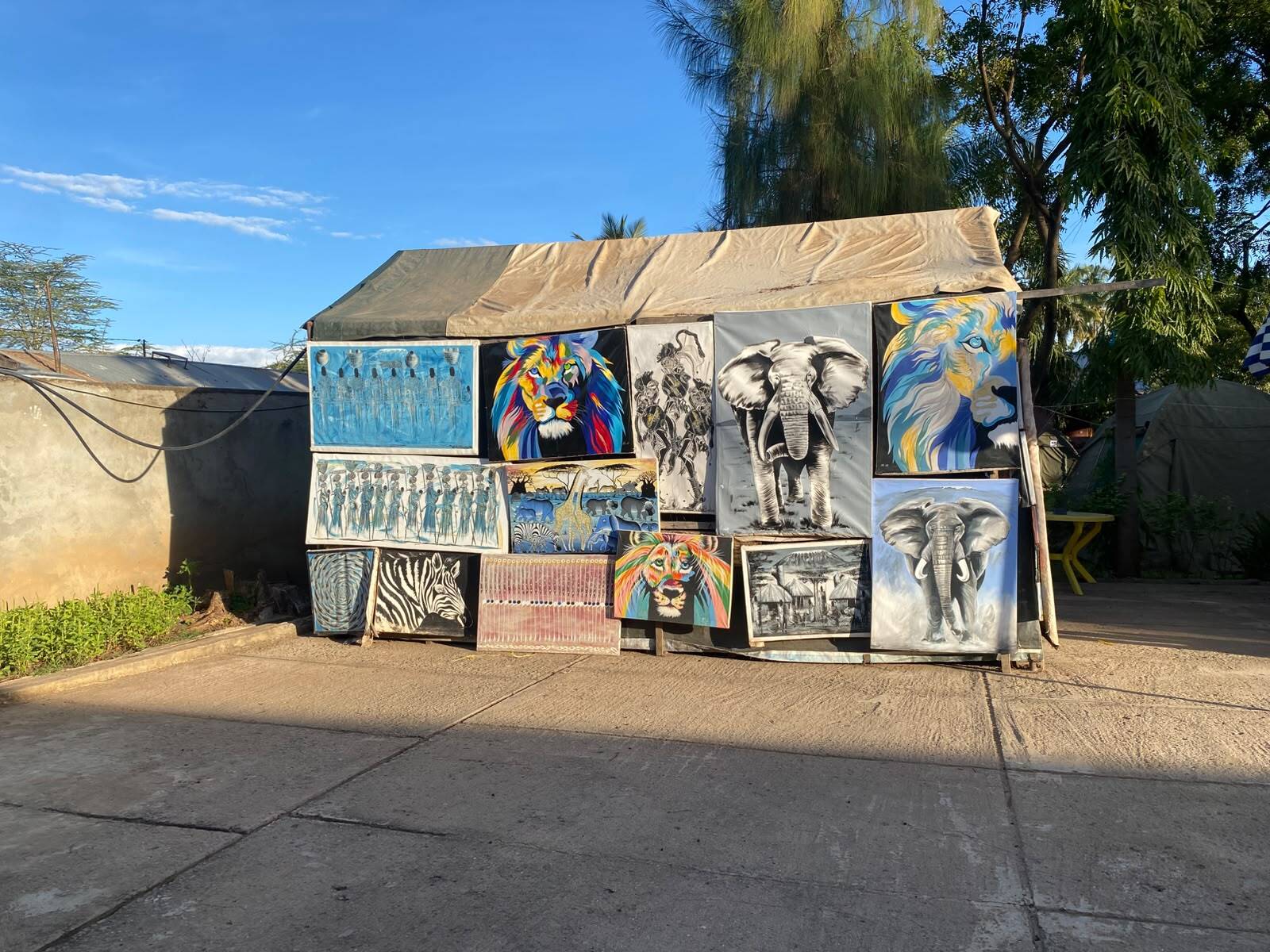
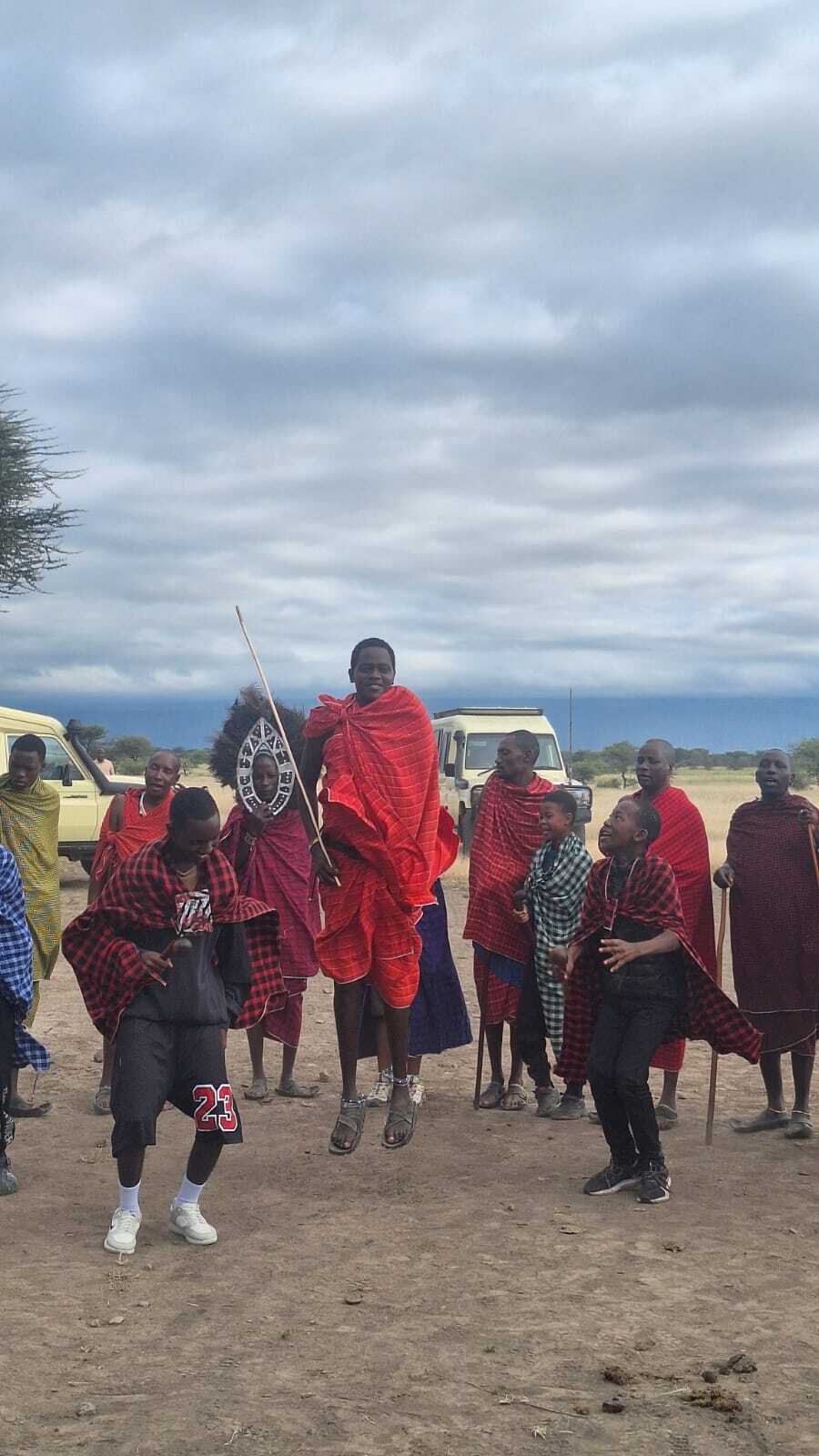
That mixture of fatigue and excitement quickly gave way to something deeper when Tanzania welcomed us with warmth, colour, and rhythm. “The rhythmic, powerful drumming instantly pulled us into the spirit of Africa,” was one girl’s comments, capturing the moment when the experience truly began.
From there, learning unfolded in ways that no textbook could replicate. Students immersed themselves in environmental workshops, explored community initiatives and engaged with peers from countries across the globe. It was noted how inspiring it was to witness how people work together to make a positive difference, particularly during the baraza sessions which focused on community service. Tanzania itself became a living classroom, especially in its approach to sustainability. Visits to recycling centres allowed students to see innovation in action as they made keychains from melted plastic, turning waste into something meaningful. These were not abstract lessons, but tangible, lived experiences that reshaped how students understood their role in the world.
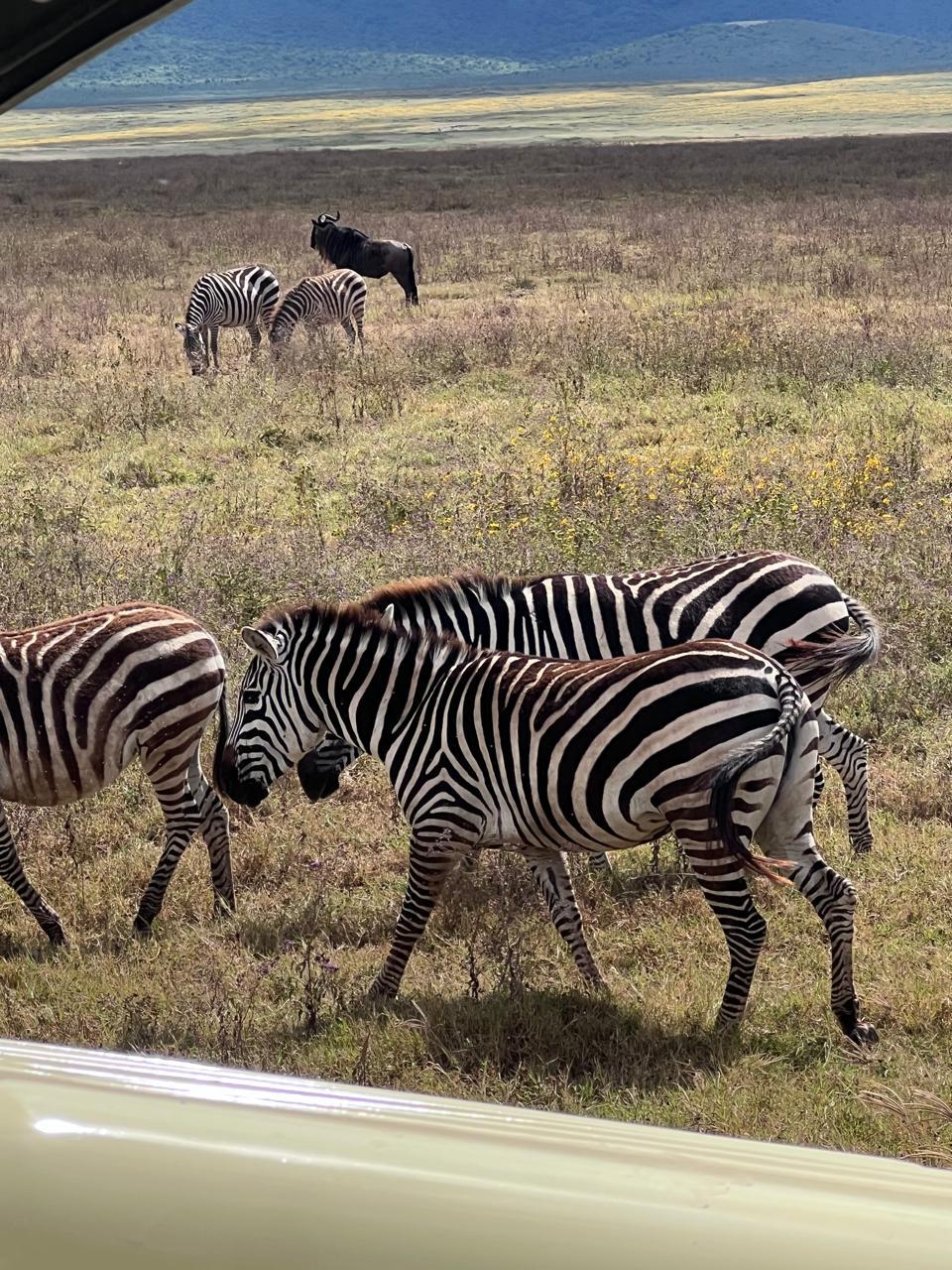
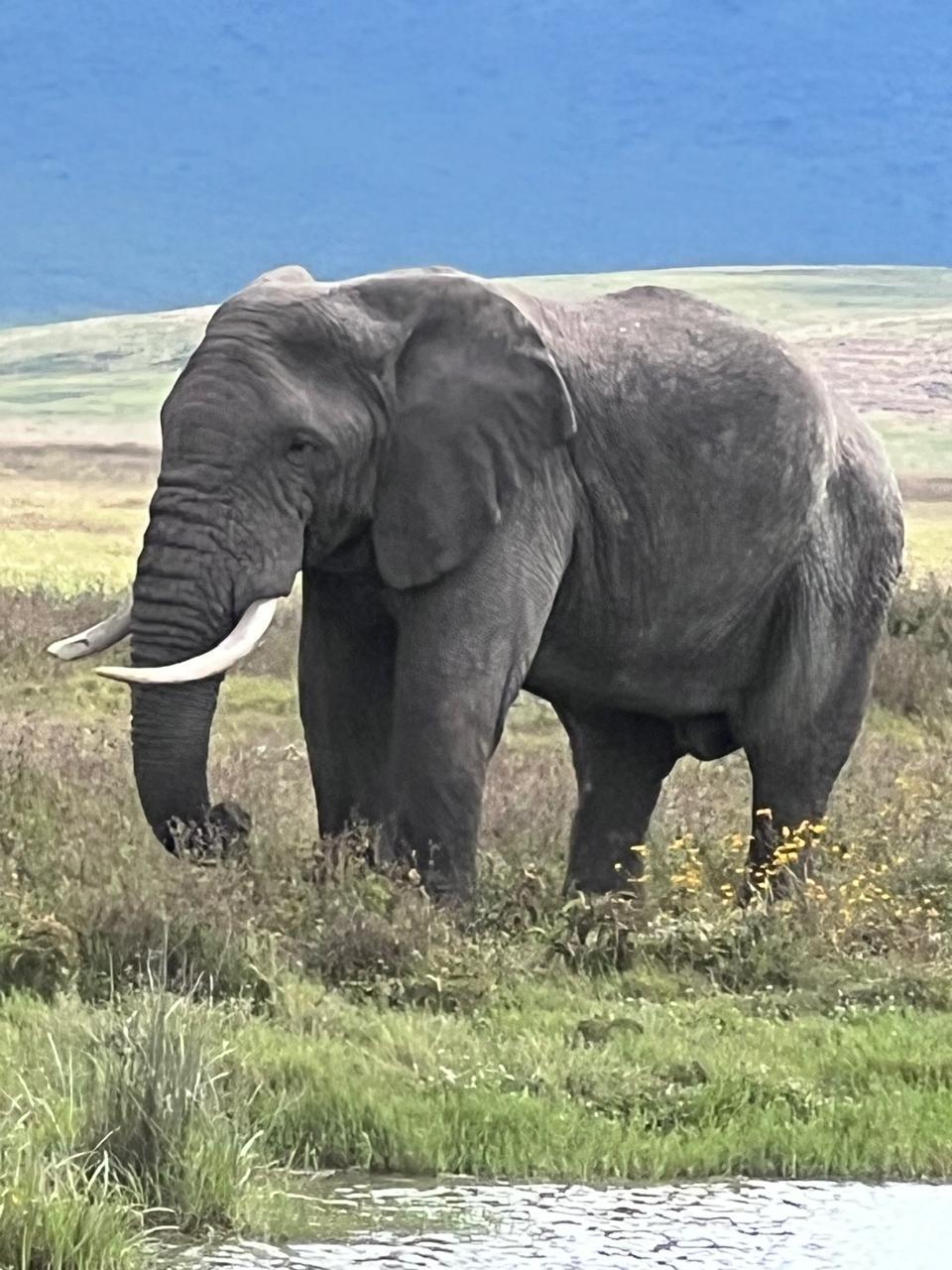
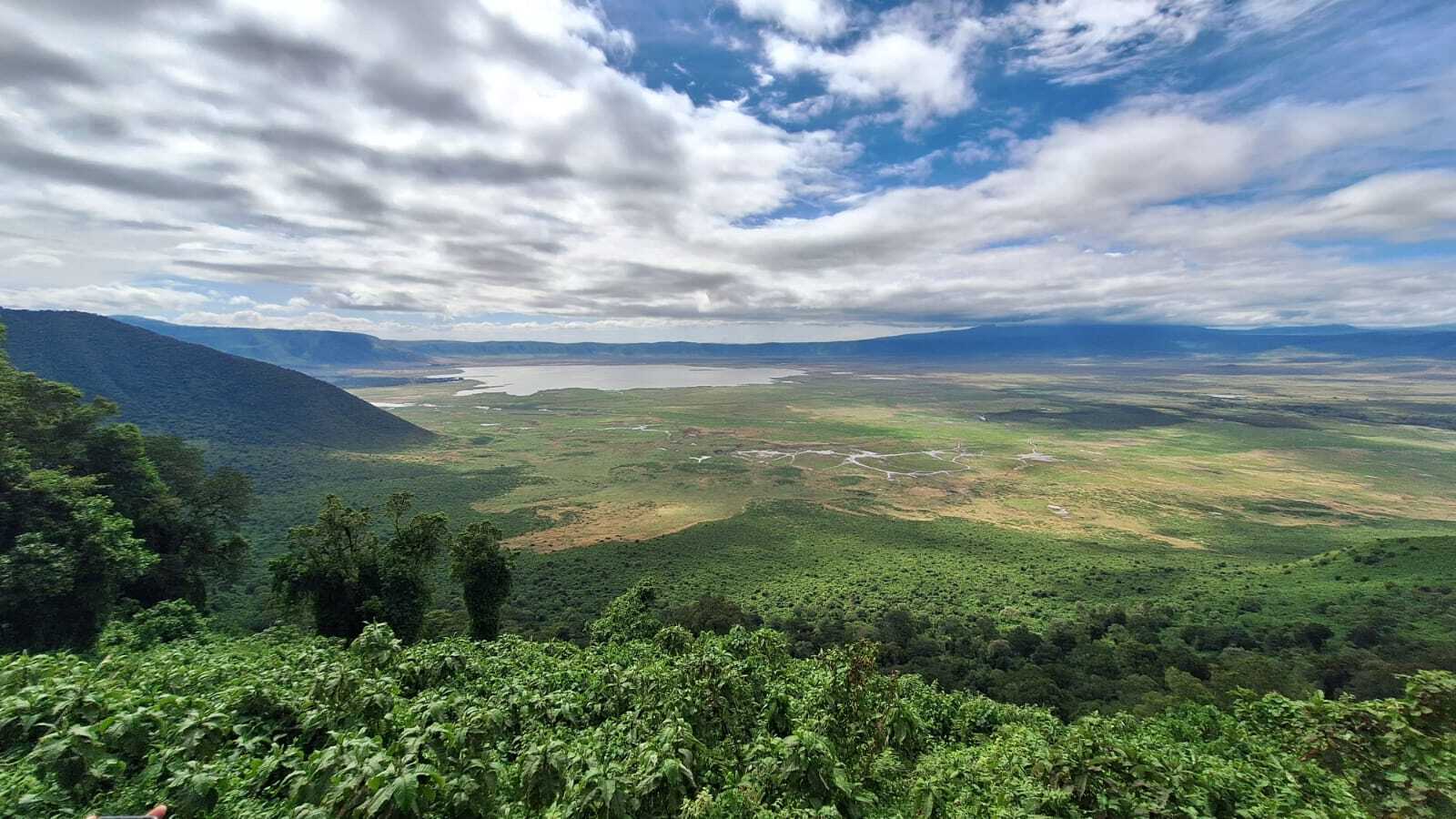
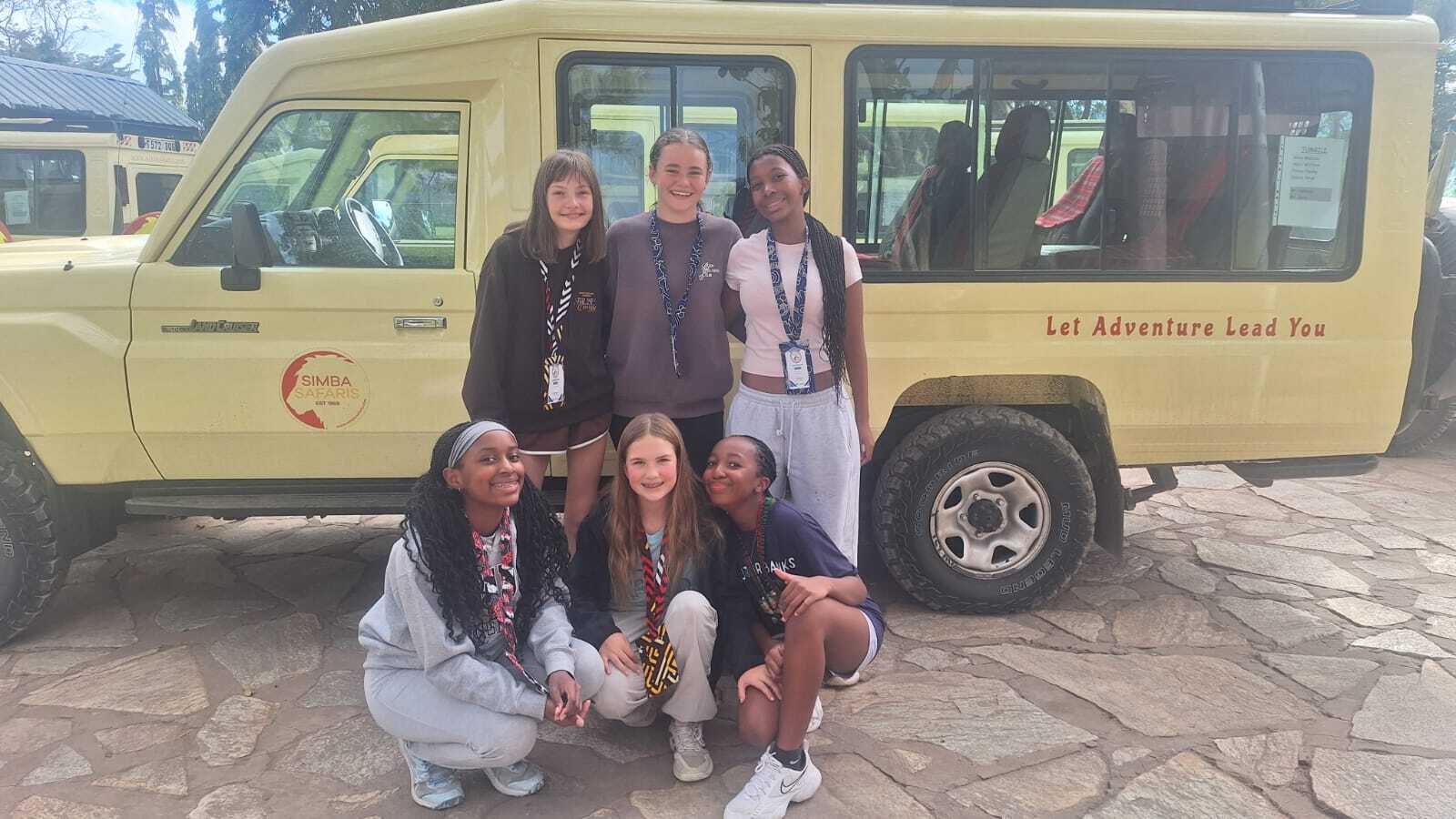
The highlight for many was the visit to the Ngorongoro Crater, a place so vast and alive that it shifted perspective instantly. It was described as simply an unforgettable experience, like stepping into a wildlife documentary. In those moments; watching elephants roam, lions rest and flamingos scatter across the water, conservation stopped being a concept and became a responsibility.
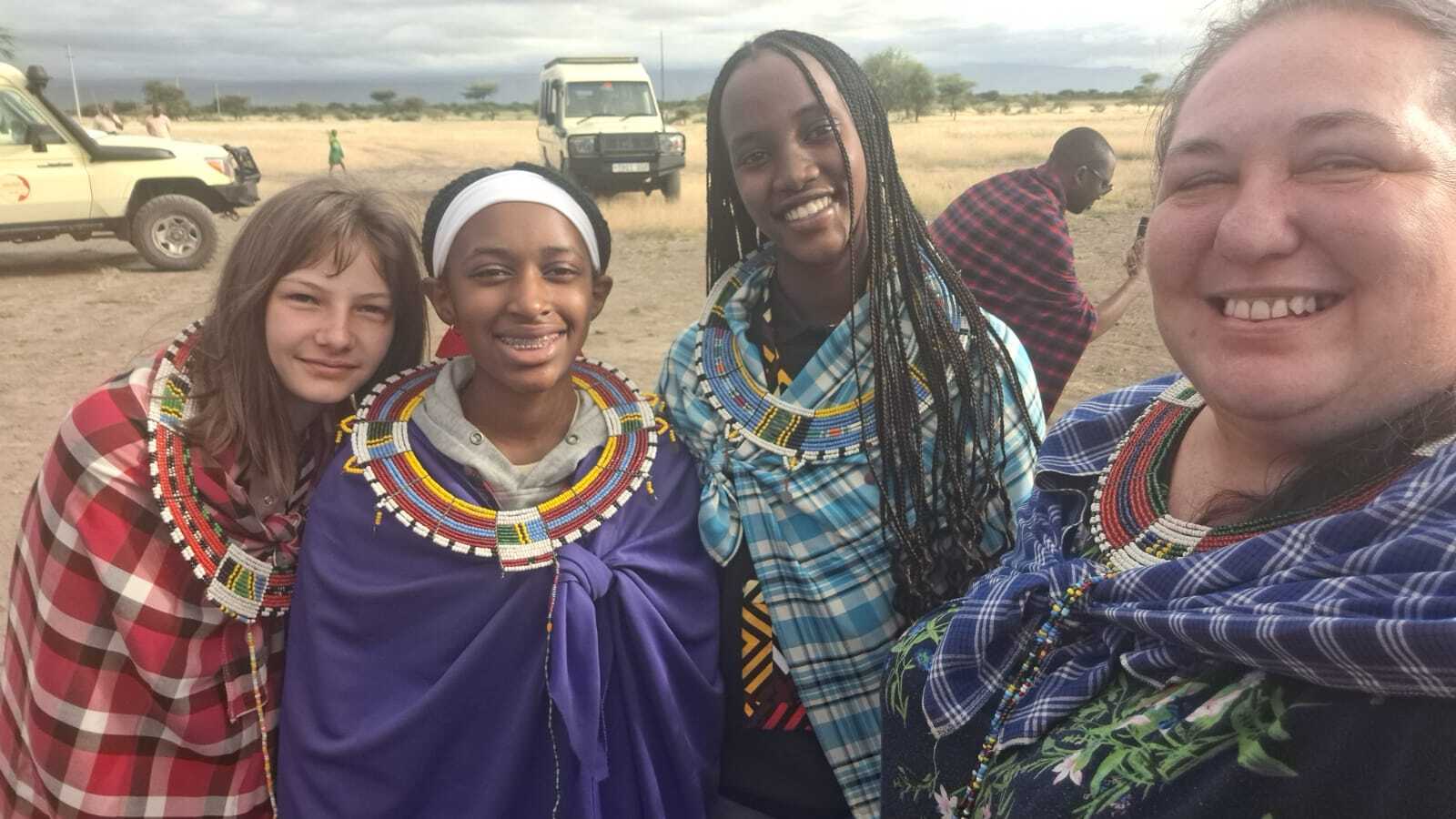
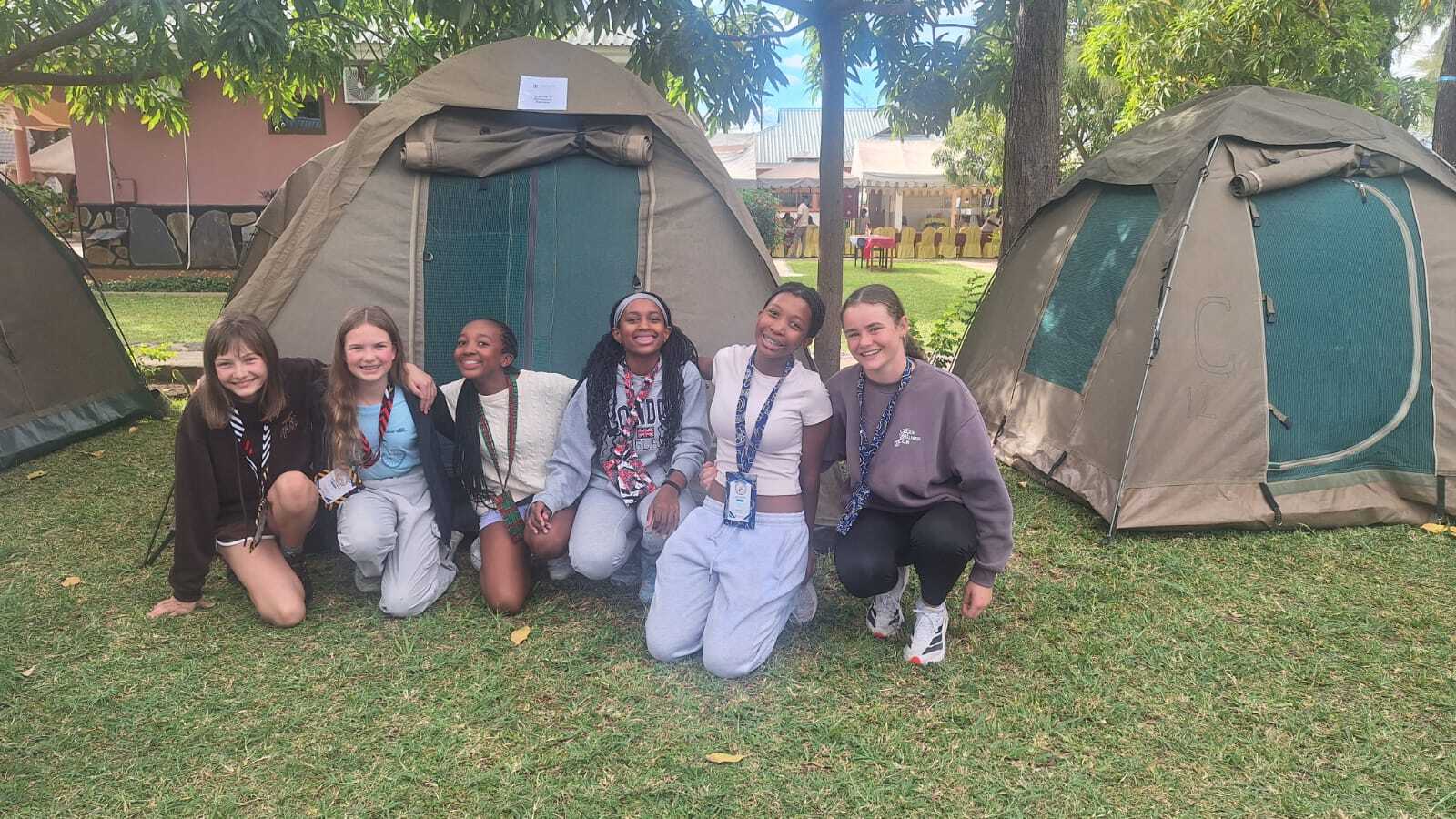
And yet, some of the most powerful learning happened in quieter, less structured moments. It happened while camping in the cold, and resilience became part of the experience. It happened during shared meals of mandazi and samosas, during late-night conversations and spontaneous UNO games, where connections formed effortlessly across cultures.
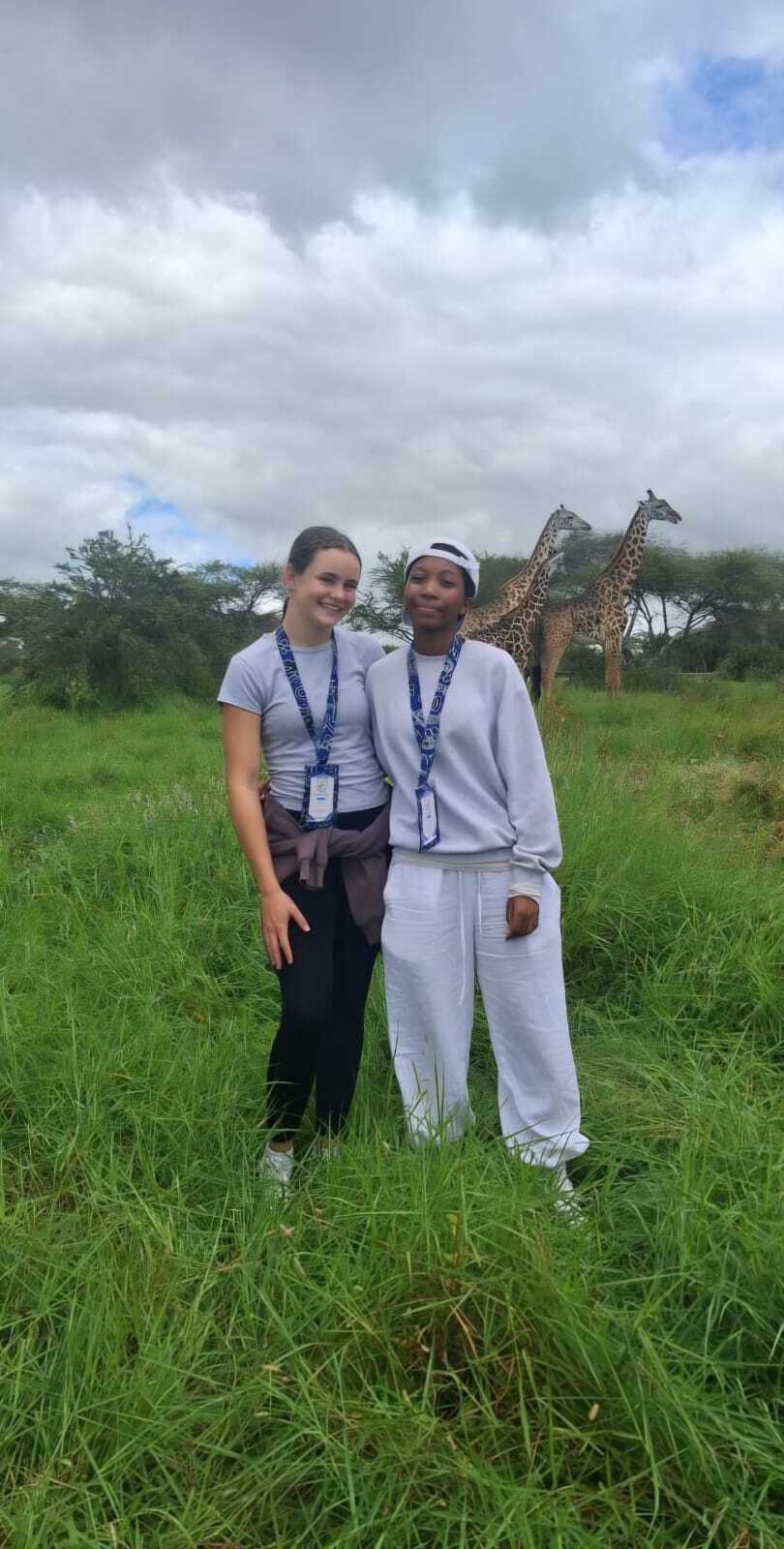
Our Round Square students’ growth was unmistakable. It appeared in small but significant ways: in the confident navigation of a meal in a foreign country, to stepping forward to introduce themselves to peers from across the globe, to representing their school with warmth and maturity. These were the moments that could not be assessed yet mattered the most; the transformation in how young people see themselves and the world.
Looking back, the environmental lessons were powerful, the cultural experiences unforgettable and the friendships invaluable. But the true impact lay in something less visible. The students returned not just with memories, but with perspective, with a deeper understanding of responsibility, connection, and the role they play in a shared world. Every moment affirmed the same truth: some lessons can only be learnt thousands of kilometres from home, in places where the world feels bigger and, at the same time, more connected than ever.